

Leave Your Message
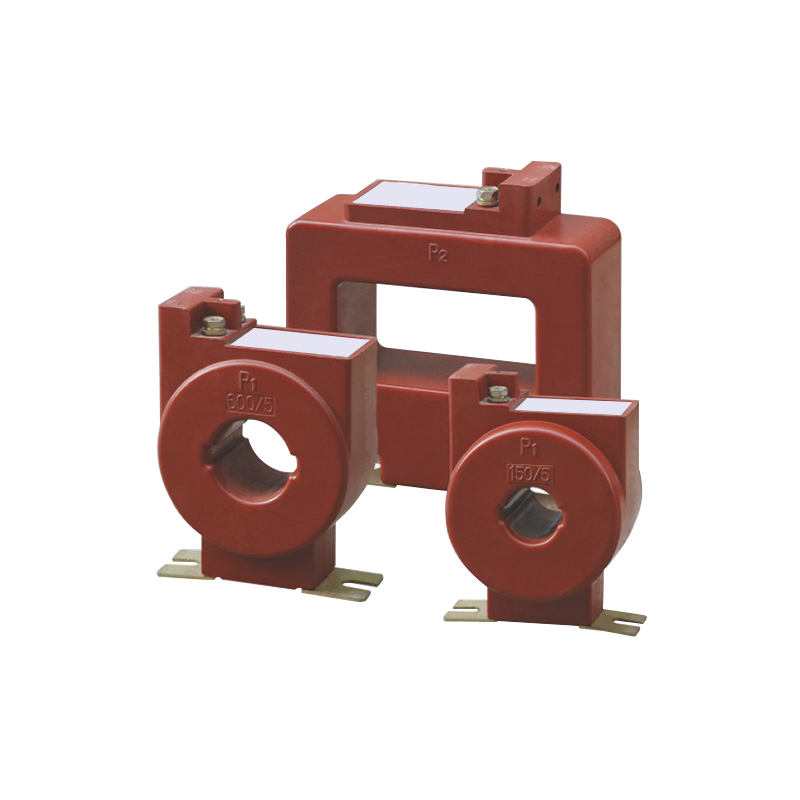 LMZ1(2,3,4)D-HZT1 Current Transformer for Industrial Substation
 Voltage Transformer for Industrial Substation Ring Network Cabinet
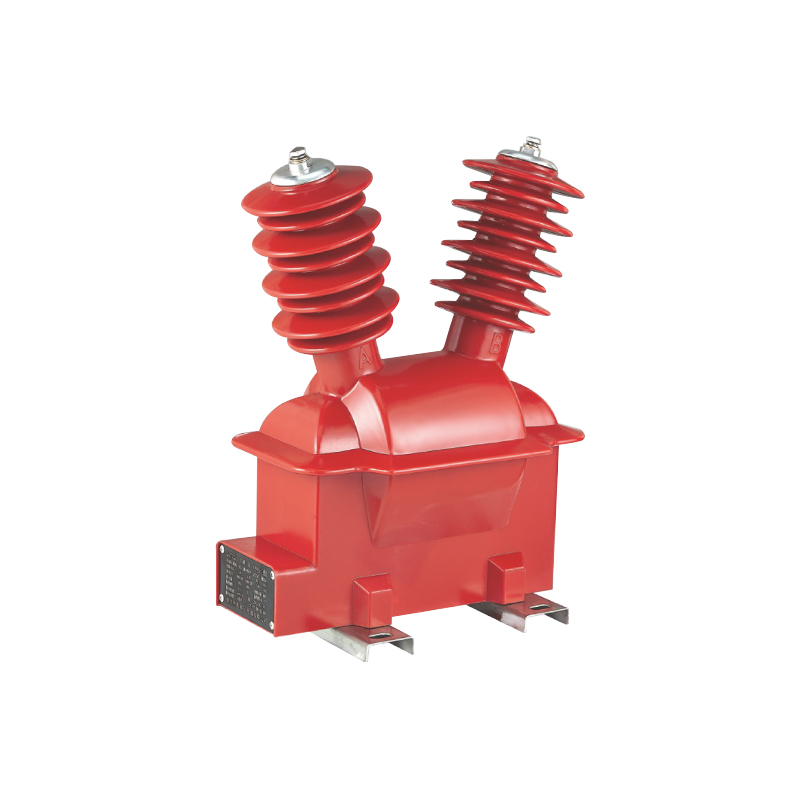 JDZW-10R High Quality Voltage Transformer for Industrial Power Supply
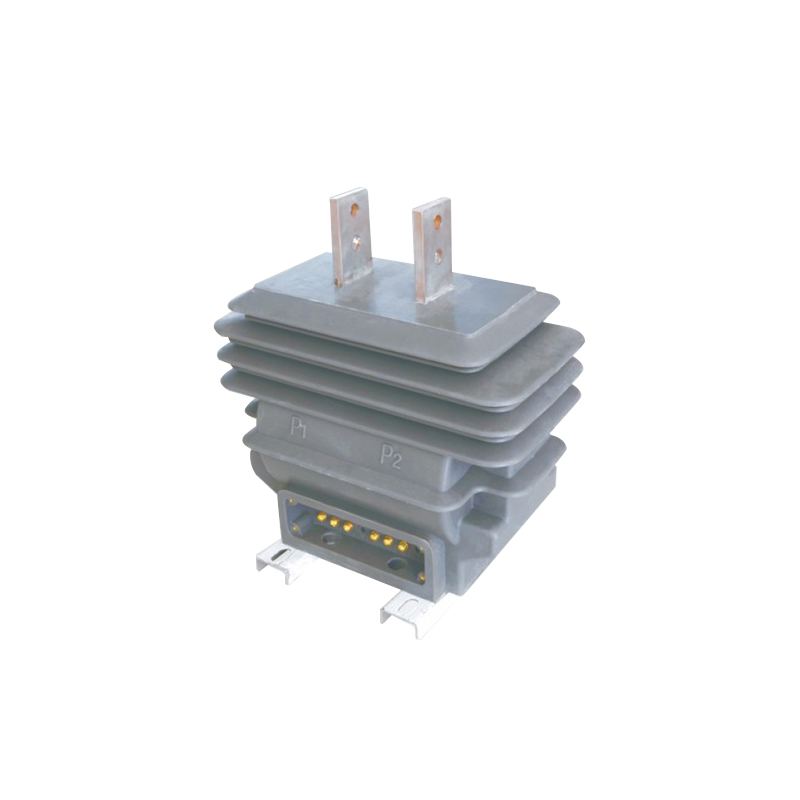 LZZBW-10(12) Outdoor Current Transformer for Substation
Comprehensive Analysis of Modern Industrial Power Distribution Solutions
In the rapidly evolving landscape of industrial power distribution, power grid transformers for industrial substation power supply represent the critical infrastructure that enables reliable, efficient, and scalable electrical energy distribution. These sophisticated electrical devices serve as the fundamental link between high-voltage transmission networks and medium or low-voltage distribution systems that power industrial facilities, manufacturing plants, commercial complexes, and critical infrastructure worldwide.
Power grid transformers designed for industrial substation power supply are engineered to handle the demanding requirements of modern industrial operations. These transformers perform the essential function of stepping down high-voltage electricity from transmission lines (typically ranging from 110kV to 500kV) to medium voltage levels (10kV to 35kV) suitable for industrial distribution networks, or further down to low voltage levels (400V to 690V) for direct equipment operation.
The global market for power grid transformers in industrial applications has experienced substantial growth, driven by several converging factors. Industrial expansion in emerging economies, particularly across Asia-Pacific regions, has created unprecedented demand for reliable substation infrastructure. According to recent industry analyses, the industrial transformer market is projected to reach USD 28.5 billion by 2028, growing at a compound annual growth rate (CAGR) of 6.8% from 2023.
Manufacturing sectors including automotive, steel production, chemical processing, and semiconductor fabrication require increasingly sophisticated power supply systems. These industries demand transformers capable of handling variable loads, maintaining voltage stability under fluctuating conditions, and providing continuous operation with minimal downtime. The reliability requirements in these sectors have driven technological innovations in transformer design, materials, and monitoring systems.
The renewable energy integration challenge has also reshaped the industrial transformer landscape. As industrial facilities increasingly incorporate on-site solar arrays, wind turbines, and energy storage systems, substations must accommodate bidirectional power flow and manage the intermittent nature of renewable generation. This has led to the development of smart transformers with advanced power electronics and digital control systems.
The power grid transformer industry is undergoing a significant technological transformation, driven by digitalization, sustainability imperatives, and the need for enhanced operational efficiency. Several key trends are shaping the future of industrial substation transformers:
Integration of IoT sensors, real-time monitoring systems, and predictive maintenance algorithms that enable condition-based maintenance and extend operational lifespan by 20-30%.
Development of transformers using biodegradable insulating fluids, reduced SF6 emissions, and recyclable materials in response to environmental regulations and corporate sustainability goals.
New generation transformers achieving efficiency levels exceeding 99.5%, with ultra-low loss designs that significantly reduce operational costs and environmental impact.
Digital twin technology is revolutionizing transformer lifecycle management. By creating virtual replicas of physical transformers, operators can simulate various operating conditions, predict failure modes, and optimize maintenance schedules. This technology enables utilities and industrial operators to reduce unplanned outages by up to 40% and extend transformer service life by 15-25 years.
Amorphous metal transformer cores represent another significant technological advancement. These transformers utilize amorphous steel alloys instead of conventional silicon steel, reducing no-load losses by 60-70%. While initial costs are higher, the energy savings over a 20-year operational period can result in total cost of ownership reductions of 25-35%, making them increasingly attractive for industrial applications.
The versatility of power grid transformers enables their deployment across diverse industrial substation configurations, each with unique technical requirements and operational challenges:
Steel mills, aluminum smelters, and chemical processing plants represent some of the most demanding applications for industrial substation transformers. These facilities typically require multiple transformer installations ranging from 10MVA to 100MVA capacity, operating at medium voltage levels (10kV-35kV). The transformers must withstand severe harmonic distortion caused by large rectifier loads, arc furnaces, and variable frequency drives.
In these applications, transformers are often equipped with on-load tap changers (OLTC) to maintain voltage stability despite significant load variations. Advanced cooling systems, including forced oil circulation with water cooling, ensure reliable operation under continuous heavy load conditions. Specialized harmonic filtering and power factor correction equipment are typically integrated with the transformer installation to maintain power quality and comply with grid connection requirements.
The exponential growth of cloud computing and digital services has created a specialized market for transformers serving data center substations. These facilities demand exceptional reliability, with availability requirements often exceeding 99.995% (less than 5 minutes of downtime annually). Redundant transformer configurations, including N+1 or 2N architectures, are standard practice.
Data center transformers typically operate at relatively constant loads but must accommodate future capacity expansion. Modular transformer designs allow for incremental capacity additions as server infrastructure grows. Energy efficiency is paramount, as transformer losses directly impact power usage effectiveness (PUE) metrics. Premium efficiency transformers with losses 30-40% below standard models are increasingly specified for these applications.
Industrial facilities incorporating significant renewable energy generation require specialized substation transformers capable of managing bidirectional power flow. Solar farms and wind installations connected to industrial facilities typically use step-up transformers (690V to 10kV or 35kV) with enhanced short-circuit withstand capabilities to handle fault conditions from the grid.
These transformers often incorporate advanced monitoring systems that track power quality parameters, including voltage fluctuations, frequency variations, and harmonic content. Integration with energy management systems enables real-time optimization of power flows between renewable generation, grid supply, and energy storage systems. The transformers must comply with grid code requirements for fault ride-through capability and reactive power support.
Modern automotive manufacturing facilities, particularly those producing electric vehicles, require highly reliable power supply systems to support automated production lines, robotic welding stations, and paint shops. Transformer installations typically feature multiple units in the 5MVA to 25MVA range, configured to provide segregated power supplies for different production areas.
Voltage regulation is critical in these applications, with tolerance requirements often specified at ±2% or tighter. Transformers with electronic tap changers or voltage regulators maintain consistent voltage levels despite varying loads from production equipment. The increasing adoption of DC fast-charging infrastructure for employee and fleet vehicles is creating additional demand for transformers with rectifier-compatible designs.
Selecting the appropriate power grid transformer for industrial substation applications requires careful consideration of multiple technical and operational factors:
Modern industrial substation transformers require comprehensive maintenance programs to ensure reliable long-term operation. Predictive maintenance approaches utilizing dissolved gas analysis (DGA), partial discharge monitoring, and thermal imaging have largely replaced time-based maintenance schedules. These condition-based strategies reduce maintenance costs by 25-40% while improving reliability metrics.
Industrial substation transformers must comply with numerous international and regional standards governing design, testing, and operation. Key standards include IEC 60076 (Power Transformers), IEEE C57 series (Transformers and Regulators), and various national standards. Energy efficiency regulations, including the European Union's Ecodesign Directive and similar regulations in other jurisdictions, are driving adoption of high-efficiency transformer designs.
Environmental regulations increasingly impact transformer specifications, particularly regarding insulating fluids. Traditional mineral oil transformers are being supplemented or replaced by units using natural ester fluids (vegetable-based oils) or synthetic esters, which offer superior fire safety characteristics and biodegradability. These alternative fluids also enable higher operating temperatures, potentially allowing for more compact transformer designs.
While initial capital cost is an important consideration, comprehensive economic analysis of industrial substation transformers must account for total cost of ownership over the expected 25-35 year service life. Energy losses typically represent 60-80% of lifetime costs for continuously loaded transformers. A transformer with 20% higher initial cost but 30% lower losses will typically achieve payback within 3-5 years and deliver substantial lifetime savings.
Reliability costs must also be considered. Unplanned transformer failures in industrial applications can result in production losses far exceeding the transformer replacement cost. For critical applications, premium transformers with enhanced reliability features and comprehensive monitoring systems justify their higher initial investment through reduced downtime risk.
The evolution of industrial power systems is driving development of increasingly sophisticated transformer technologies. Solid-state transformers, utilizing power electronics instead of traditional electromagnetic induction, promise revolutionary improvements in controllability, efficiency, and functionality. While currently limited to specialized applications due to cost and complexity, solid-state transformers are expected to become commercially viable for broader industrial applications within the next decade.
Artificial intelligence and machine learning algorithms are being integrated into transformer monitoring systems, enabling autonomous fault detection, load forecasting, and optimization of tap changer operations. These intelligent systems can predict remaining useful life with increasing accuracy, enabling optimized replacement planning and reducing the risk of unexpected failures.
The ongoing transition to renewable energy and electrification of industrial processes will continue driving demand for advanced transformer technologies. Transformers capable of supporting microgrids, integrating energy storage systems, and providing ancillary grid services will become increasingly important. The industrial substation transformer of the future will be a highly intelligent, efficient, and adaptable component of increasingly complex power systems.
Yueqing Suian Electric Co., Ltd. is a wholly state-owned trading company controlled by Yueqing Liushi Urban and Rural Construction Investment Co., Ltd., with a registered capital of 10 million yuan. It has been deeply involved in the field of electrical product trading. With its solid state-owned background, rich experience in serving central enterprises, and the leading electrical industry ecosystem and location empowerment in China, it is committed to pioneering a new pattern of global electrical trade with the responsibility of a state-owned enterprise, becoming a core partner of the electrical supply chain trusted by global customers, and providing high-standard and reliable electrical products and solutions for overseas markets.
Liushi Town, known as "Zhejiang's No. 1 Industrial Strong Town," achieved a total industrial output value of 106.76 billion yuan in 2024, exceeding 100 billion yuan for two consecutive years and firmly ranking first in Zhejiang Province among the top 1,000 towns in China in terms of comprehensive strength. As a wholly state-owned enterprise, the company, backed by the state-owned capital of the Liushi Town Government, naturally possesses core advantages such as strong financial strength, compliant operation, and strong risk resistance. The company has accumulated extensive cooperative experience in the domestic market, successfully serving numerous leading central enterprises, including China Construction Eighth Engineering Bureau, China Construction Science & Industry Group Co., Ltd., China Construction Second Engineering Bureau, and Sinopec. It has accumulated rich project experience in infrastructure engineering, energy and power, and other fields. Its products and services have passed the stringent standards of central enterprises and possess mature capabilities suitable for large-scale projects and complex scenarios.
Based in Liushi, Yueqing, known as the "Electrical Capital of China" and the "Export Base of Low-Voltage Electrical Appliances in China," the company focuses on core trade in the electrical field. Boasting unparalleled supply chain advantages, it mainly deals in over 200 series and 25,000 models of products, including transformers, high and low voltage electrical equipment, complete sets of electrical equipment, wires and cables, and new energy electrical products. Leveraging state-owned platform resources, the company ensures product quality and supply stability while achieving high cost-effectiveness through the scale effect of industrial clusters, providing diversified product choices for overseas customers. Deeply integrated into the "Belt and Road" initiative, the company excels in connecting with major overseas infrastructure and energy projects, and can provide supporting services for electrical products that meet international standards.
Adhering to the core principles of "integrity as the foundation, compliance as the basis, and win-win cooperation as the way," Yueqing Sui'an Electric Co., Ltd. builds a solid foundation for cooperation with the credibility of a state-owned enterprise, ensures product quality with the service experience of a central enterprise, empowers global competitiveness with the advantages of industrial clusters, and connects overseas markets with professional services. Leveraging the "Electrical+" strategy of Liushi Town and the benefits of six emerging industrial parks, the company collaborates with global partners to build an international trade network, empowering the development of the global electrical industry with the quality of a state-owned enterprise, and is committed to becoming a trustworthy international electrical trading partner.
Yueqing Suian Electric Co., Ltd.








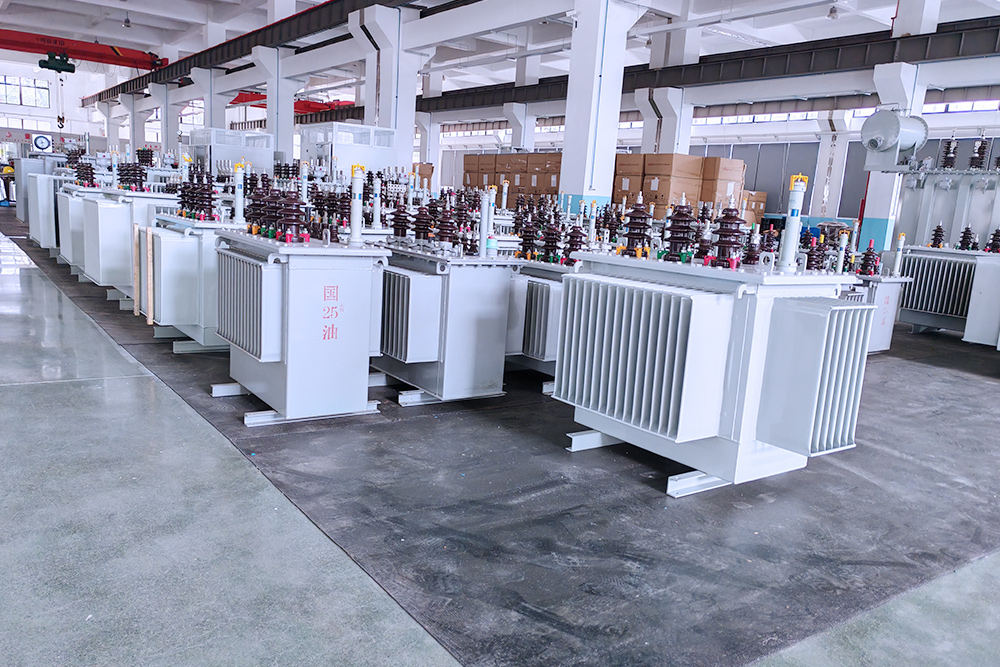
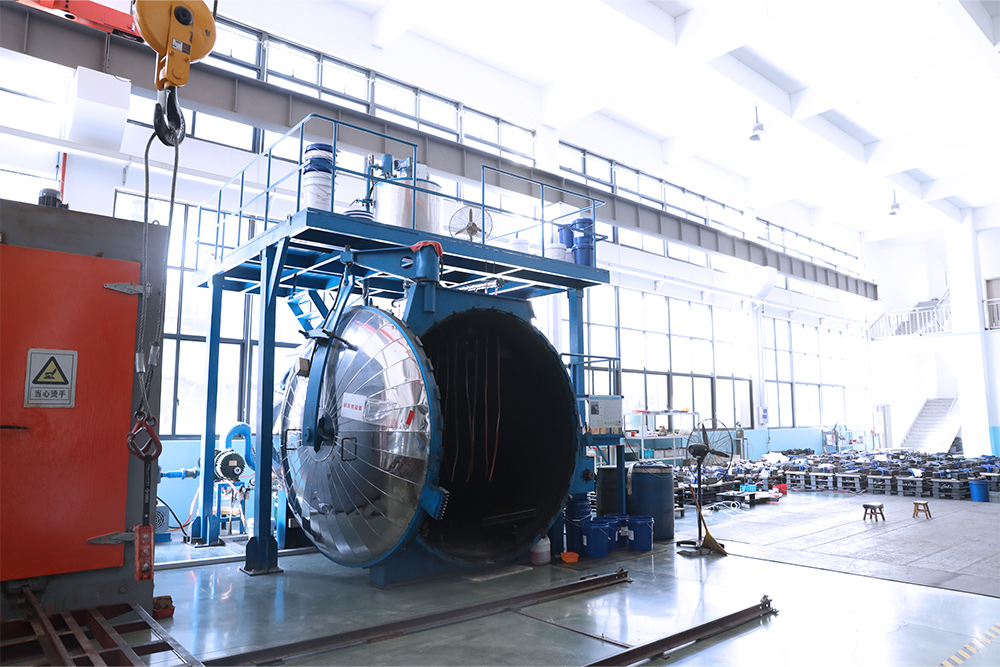
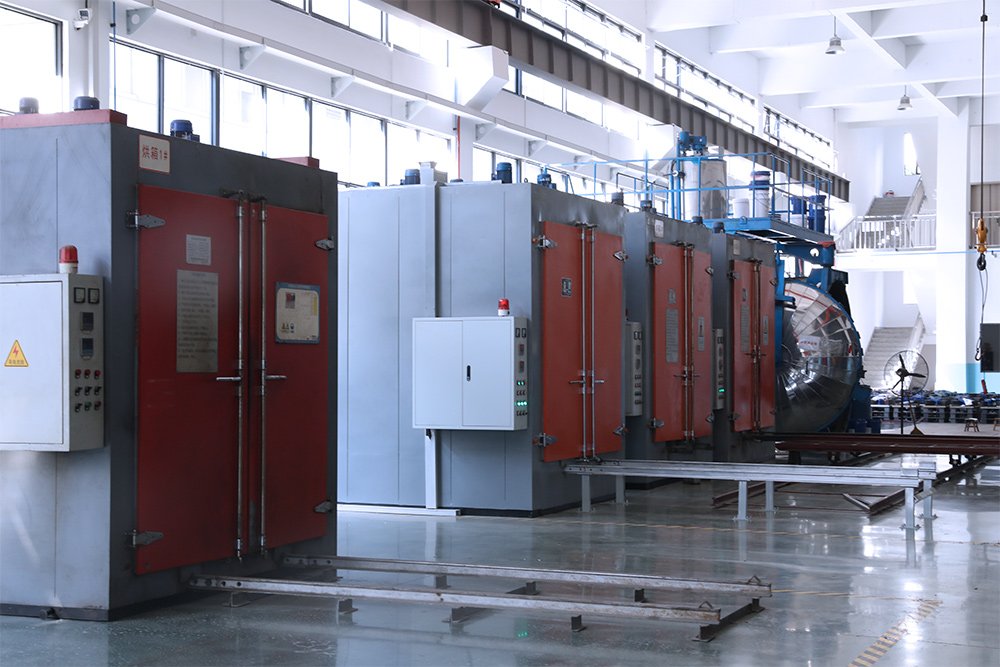
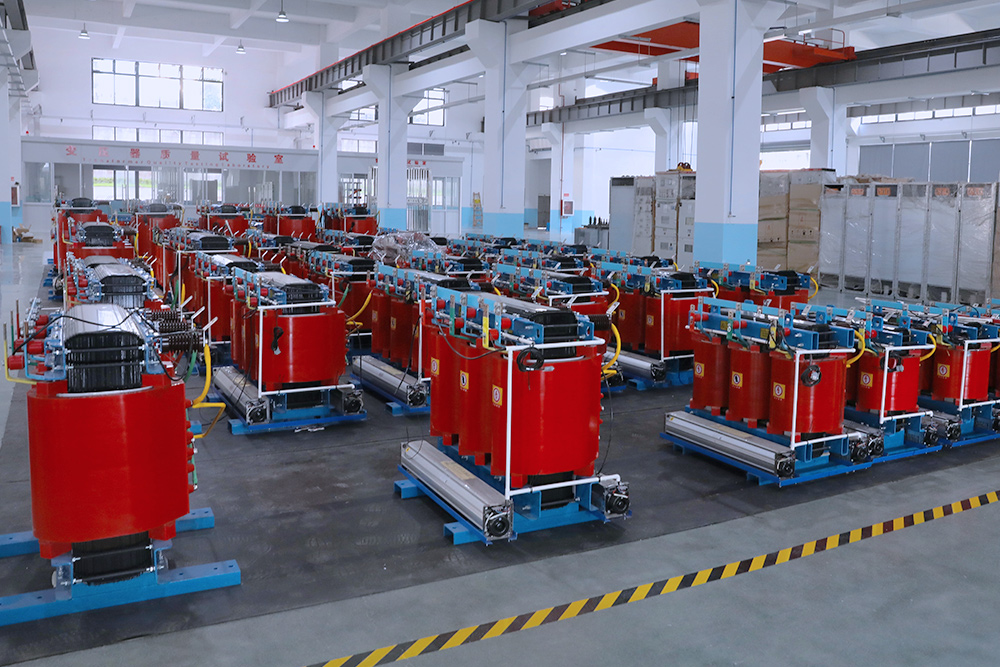
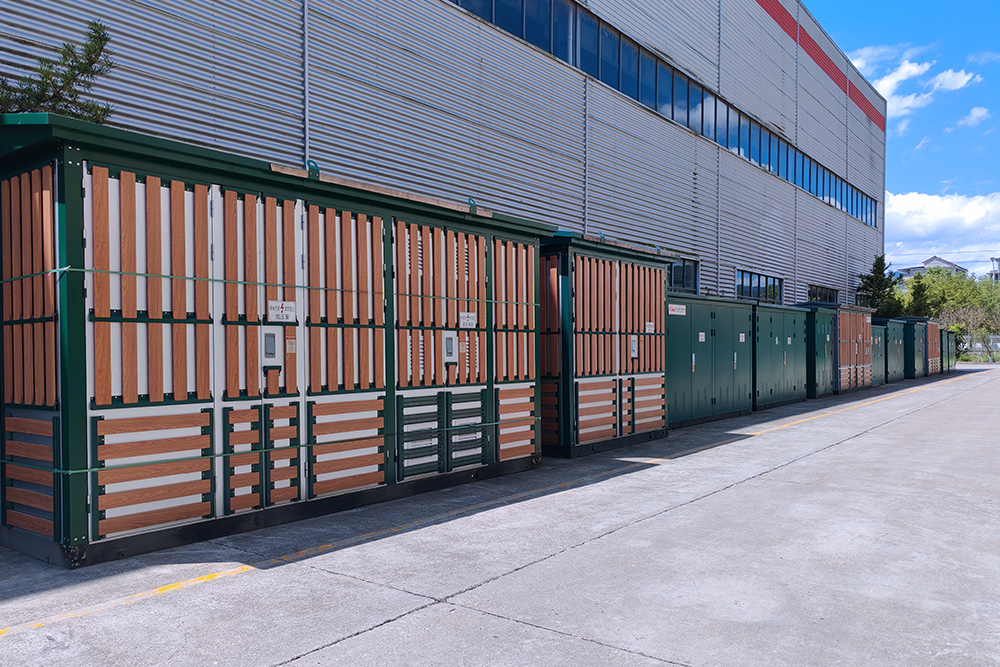
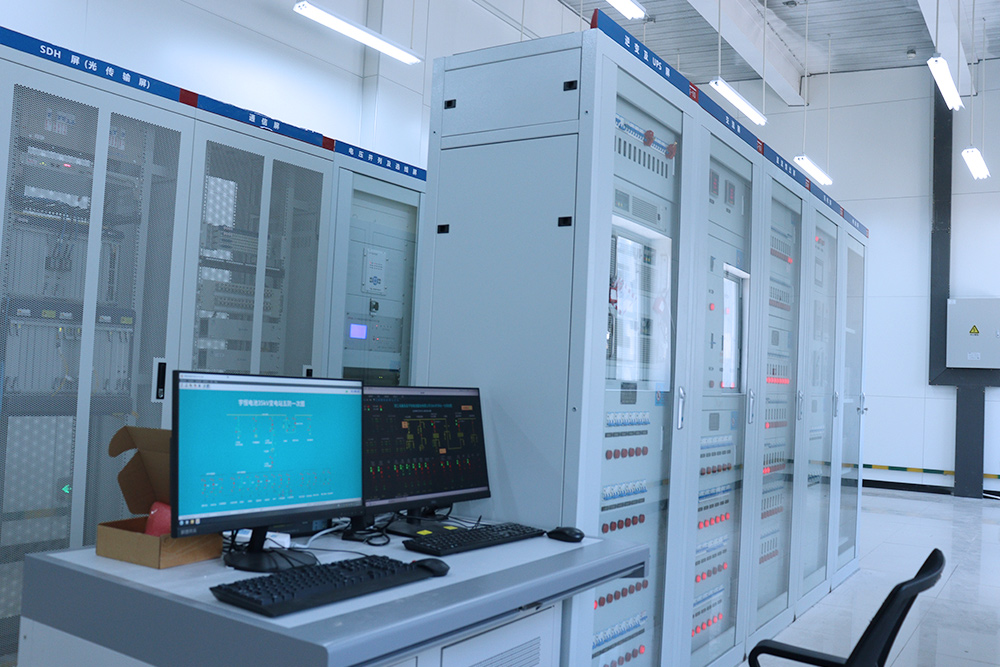
Comprehensive Range of Transformer Solutions
 JDZG-10 type Voltage Transformer for Substation
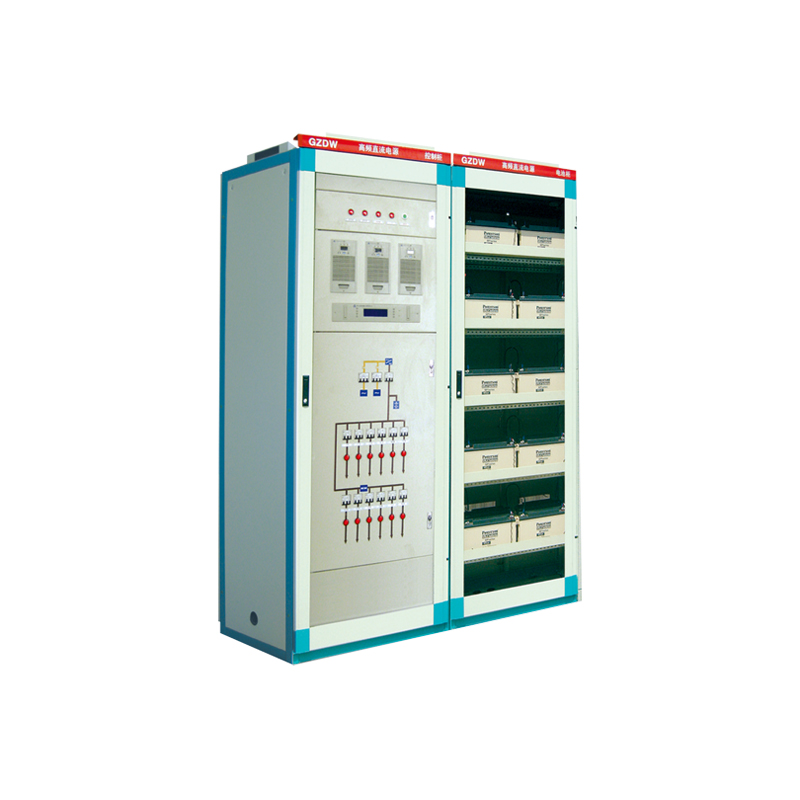 GZDW DC Screen Power Display System for Industrial Control
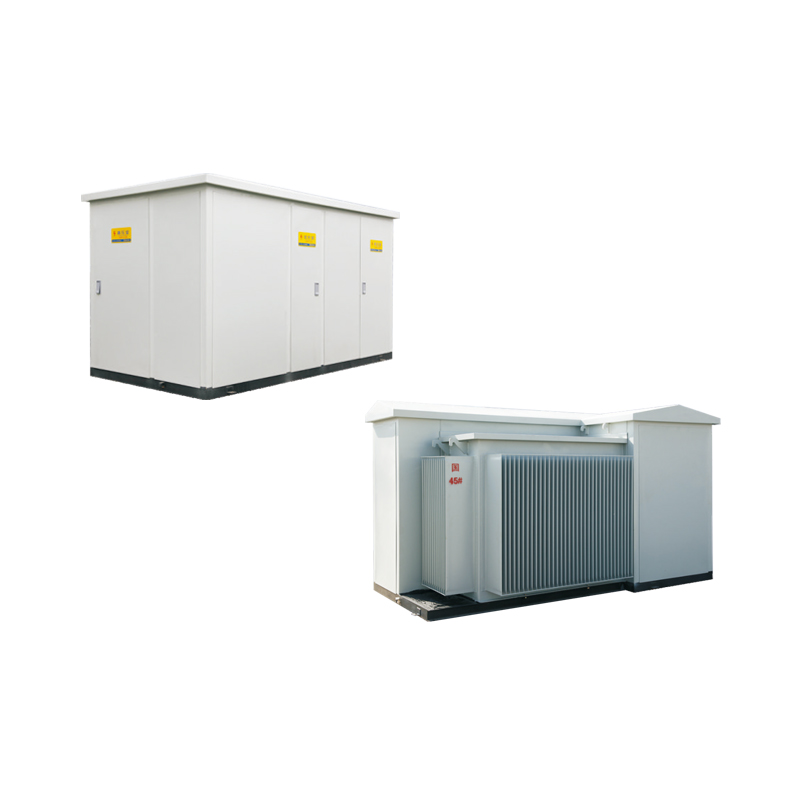 YBWF/G-40.5/0.69 Wind Power Transformer for Renewable Energy
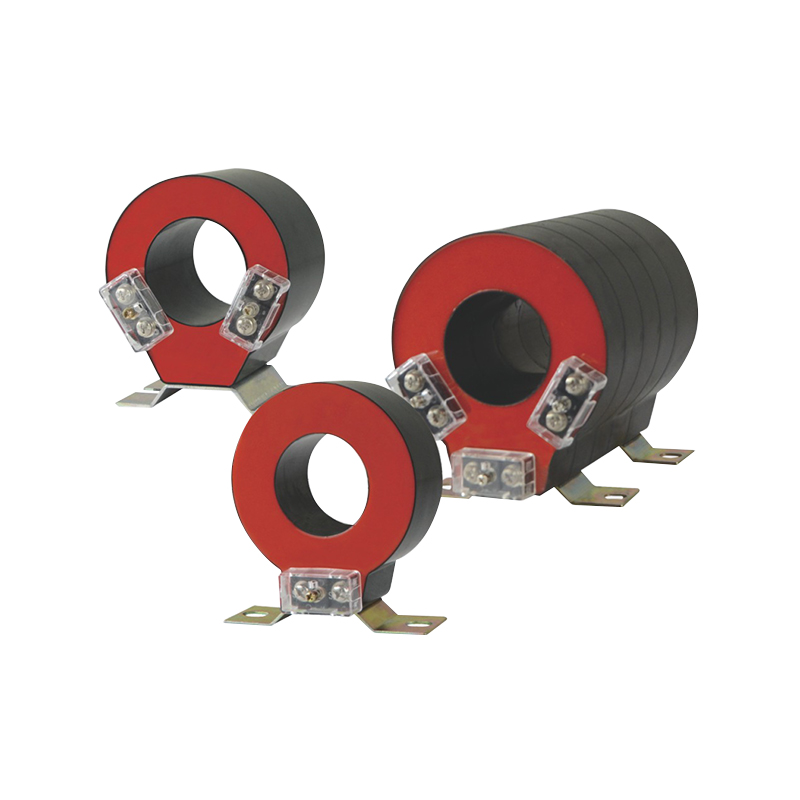 Current Transformer for Industrial Ring Network Cabinet
LMZ1(2,3,4)D-HZT1 Current Transformer
Voltage Transformer for Ring Network Cabinet
JDZW-10R High Quality Voltage Transformer
LZZBW-10(12) Outdoor Current Transformer