
Leave Your Message
In the modern healthcare environment, electrical safety is paramount. Power oil transformers designed specifically for medical equipment isolation represent a cornerstone technology that protects both patients and healthcare professionals from electrical hazards. These specialized transformers provide galvanic isolation between the power source and medical devices, ensuring that any electrical faults in the primary circuit cannot reach patients or sensitive diagnostic equipment.
Medical-grade power oil transformers utilize mineral oil as both an insulating medium and cooling agent, offering superior dielectric strength compared to air-core alternatives. This design choice is particularly crucial in healthcare settings where equipment reliability can literally mean the difference between life and death. The oil insulation provides exceptional voltage withstand capability while maintaining compact dimensions—a critical consideration in space-constrained medical facilities.
Medical devices often make direct contact with patients, creating potential pathways for electrical current. Power oil transformers create an electrical barrier that prevents ground faults, leakage currents, and voltage surges from reaching patient-connected equipment. This isolation is mandated by international medical safety standards including IEC 60601-1 and UL 60601-1, which specify stringent requirements for medical electrical equipment and systems.
Modern hospitals deploy hundreds of power oil transformers across operating rooms, ICUs, diagnostic imaging centers, and patient care areas to ensure uninterrupted, safe power delivery.
Medical research laboratories require ultra-stable, isolated power for sensitive analytical equipment and experimental medical devices under development.
Mobile medical units and emergency response vehicles utilize compact power oil transformers to provide safe electrical isolation in challenging field conditions.
The global market for medical isolation transformers has experienced significant growth, driven by increasing healthcare infrastructure investments, particularly in emerging economies. According to industry analysis, the medical transformer market is projected to reach $2.8 billion by 2028, growing at a CAGR of 6.4%. This expansion reflects the rising demand for advanced medical equipment, stricter safety regulations, and the proliferation of outpatient care facilities requiring comprehensive electrical safety systems.
Power oil transformers have become the preferred solution for high-power medical applications due to their superior thermal management characteristics. The mineral oil circulates through the transformer core and windings, efficiently dissipating heat generated during operation. This natural convection cooling allows continuous operation at rated capacity without the noise and maintenance requirements associated with forced-air cooling systems—a significant advantage in quiet-critical environments like patient recovery areas and diagnostic suites.
Next-generation power oil transformers incorporate IoT sensors that continuously monitor oil temperature, insulation resistance, load current, and harmonic distortion. These smart transformers transmit real-time data to facility management systems, enabling predictive maintenance and preventing failures before they impact patient care.
Environmental concerns are driving development of ester-based insulating fluids derived from natural sources. These biodegradable oils offer comparable or superior dielectric properties to mineral oil while providing enhanced fire safety and reduced environmental impact in case of leakage.
Advanced core materials including amorphous metal alloys and optimized winding configurations are reducing transformer size while improving efficiency. Modern medical isolation transformers achieve efficiency ratings exceeding 98%, minimizing heat generation and energy waste.
Medical equipment increasingly incorporates switch-mode power supplies that generate harmonic currents. Advanced power oil transformers now integrate harmonic filtering capabilities, protecting sensitive equipment and ensuring power quality compliance with IEEE 519 standards.
The convergence of medical technology and digital health is creating new requirements for power isolation systems. Telemedicine equipment, remote patient monitoring devices, and AI-powered diagnostic systems all demand ultra-clean, stable power with minimal electromagnetic interference. Power oil transformers are evolving to meet these demands through improved shielding designs and enhanced common-mode noise rejection.
Operating rooms represent the most demanding application for medical isolation transformers. Surgical procedures often involve multiple life-support systems, electrosurgical units, imaging equipment, and monitoring devices simultaneously. A typical OR installation employs a 10-15 kVA power oil transformer providing isolated power to all medical equipment within the suite.
The transformer works in conjunction with an isolated power system (IPS) that includes a line isolation monitor (LIM). This configuration continuously measures the impedance between each isolated conductor and ground, alerting staff if insulation integrity degrades below safe thresholds. Unlike conventional grounded power systems that would trip circuit breakers during a first fault, isolated systems allow continued operation while the fault is located and corrected—critical during life-saving procedures.
A major cardiac center implemented power oil transformers in their catheterization labs, where patients have direct electrical pathways to their hearts via catheter electrodes. The isolated power system eliminated microshock hazards that could trigger ventricular fibrillation. Over five years of operation, the system maintained 99.97% uptime with zero electrical safety incidents, demonstrating the reliability advantage of oil-insulated transformer technology.
Advanced imaging modalities including MRI, CT, and PET scanners represent multi-million dollar investments requiring pristine power quality. Power oil transformers serving imaging centers provide multiple critical functions:
MRI installations present unique challenges due to the powerful magnetic fields involved. Specially designed non-magnetic power oil transformers using aluminum windings and non-ferrous tank construction can be located within the MRI room itself, minimizing power cable runs that could act as antennas for radiofrequency interference.
Intensive care units house patients dependent on continuous electrical power for ventilators, dialysis machines, infusion pumps, and monitoring systems. Power oil transformers in these areas typically operate in parallel with uninterruptible power supplies (UPS) to provide both isolation and backup power capability.
The thermal stability of oil-insulated transformers proves particularly valuable in 24/7 critical care applications. Unlike dry-type transformers that experience significant temperature cycling with load variations, oil-filled units maintain more stable operating temperatures, reducing thermal stress on insulation systems and extending service life. Many medical facilities report operational lifespans exceeding 30 years for properly maintained power oil transformers in critical care applications.
Clinical laboratories utilize an array of analytical instruments requiring stable, isolated power: automated chemistry analyzers, hematology systems, mass spectrometers, and molecular diagnostic equipment. Power quality issues can cause measurement errors, instrument malfunctions, and invalid test results—potentially leading to misdiagnosis.
Power oil transformers serving laboratory areas often incorporate additional features including:
Transformer oil provides dielectric strength of 30-40 kV/mm compared to 3 kV/mm for air, enabling more compact designs with enhanced safety margins. This is critical for medical equipment operating in humid environments where air insulation degrades.
Oil circulation provides efficient heat dissipation, allowing continuous operation at full rated load without derating. The high thermal capacity of oil also buffers against short-term overload conditions common when multiple medical devices start simultaneously.
Properly maintained oil-insulated transformers routinely achieve 30-40 year service lives in medical facilities. The oil protects windings and core from moisture and oxidation, while periodic oil testing and filtration maintains insulation integrity.
Oil provides acoustic damping of core vibrations, resulting in quieter operation than dry-type transformers. Sound levels typically measure below 45 dBA—quieter than normal conversation and suitable for patient care areas.
The self-healing properties of transformer oil also provide a safety advantage in medical settings. When a partial discharge occurs within the oil, the localized heating vaporizes a small amount of oil, creating a gas bubble that displaces the oil and interrupts the discharge path. This prevents minor insulation defects from propagating into catastrophic failures, enhancing overall system reliability.
Power oil transformers used in medical applications must comply with a comprehensive framework of international and regional standards. The primary standard governing medical electrical equipment, IEC 60601-1, specifies requirements for basic safety and essential performance. For isolation transformers specifically, IEC 61558-2-15 defines requirements for transformers for medical IT systems.
Key compliance requirements include:
In the United States, medical isolation transformers must additionally comply with National Fire Protection Association (NFPA) 99, which specifically addresses healthcare facility electrical systems. NFPA 99 mandates isolated power systems in wet procedure locations where patients may be exposed to conductive fluids, and specifies installation, testing, and maintenance requirements.
Medical-grade power oil transformers undergo rigorous third-party certification by recognized testing laboratories such as UL, TÜV, or CSA. This certification process includes design review, prototype testing, factory inspections, and ongoing surveillance to ensure continued compliance. Healthcare facilities should specify certified transformers and maintain documentation demonstrating regulatory compliance for accreditation surveys.
While power oil transformers are highly reliable, proper maintenance is essential to achieve their full service life potential in critical medical applications. A comprehensive maintenance program should include:
Periodic analysis of insulating oil provides early warning of developing problems. Key tests include dielectric breakdown voltage (indicating moisture or particle contamination), dissolved gas analysis (detecting partial discharge or overheating), acidity measurement (indicating oil oxidation), and interfacial tension (measuring oil-water boundary stability). Results should be trended over time to identify degradation patterns.
Infrared thermography performed under load conditions can identify hot spots indicating loose connections, unbalanced loading, or internal faults. Medical facility transformers should undergo thermal imaging at least annually, with more frequent surveys for units supporting critical life-safety systems.
Megohm testing of winding-to-winding and winding-to-ground insulation should be performed during scheduled maintenance outages. Trending of insulation resistance values over time provides insight into insulation system health and helps predict remaining service life.
Medical facilities should maintain records of transformer loading, particularly peak demands during high-activity periods. This data informs decisions about capacity upgrades and helps identify opportunities to balance loads across multiple transformers for improved reliability and efficiency.
The evolution of medical technology continues to drive innovation in power isolation systems. Several emerging trends will shape the future of power oil transformers in healthcare:
Integration with Microgrid Systems: As hospitals implement on-site generation including solar arrays, fuel cells, and combined heat and power systems, isolation transformers will play a crucial role in integrating these distributed energy resources while maintaining electrical safety. Advanced transformers with bidirectional power flow capability will enable hospitals to export excess generation to the utility grid while preserving isolation for medical equipment.
Artificial Intelligence for Predictive Maintenance: Machine learning algorithms analyzing transformer operational data can predict failures weeks or months in advance, enabling proactive replacement before service interruptions occur. AI systems will correlate oil chemistry trends, thermal patterns, acoustic signatures, and loading history to provide increasingly accurate remaining life estimates.
Modular and Scalable Designs: Future medical facilities will require flexible power systems that can adapt to changing equipment needs. Modular transformer designs with field-installable capacity upgrades will allow hospitals to incrementally increase isolation transformer capacity as new medical technologies are deployed, avoiding costly replacement of undersized units.
Enhanced Cybersecurity: As power oil transformers incorporate more digital monitoring and control capabilities, cybersecurity becomes paramount. Future designs will implement encrypted communications, secure boot processes, and intrusion detection to protect critical medical power infrastructure from cyber threats.
The healthcare industry's commitment to environmental sustainability is driving demand for "green" transformer technologies. Next-generation power oil transformers will utilize recycled core steel, biodegradable insulating fluids, and designs optimized for end-of-life recycling. Energy efficiency improvements, while already high, will continue advancing through use of amorphous metal cores and optimized magnetic circuit designs, reducing the carbon footprint of medical facility operations.
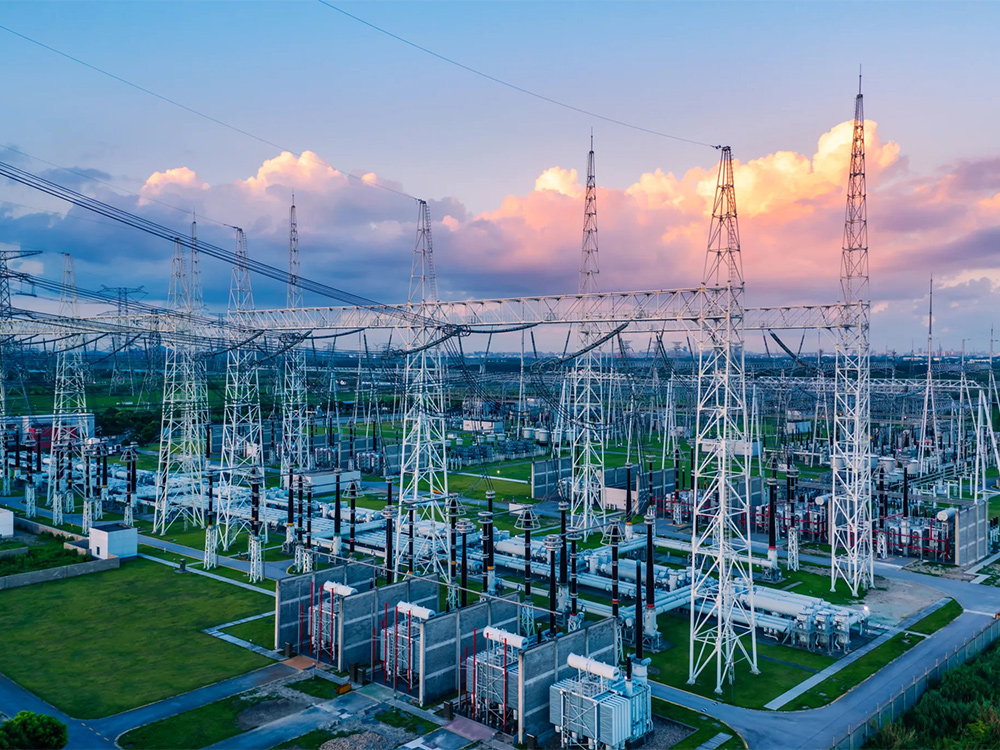
As the cornerstone of stable power grid operation, this industry encompasses all aspects of power generation, transmission, and distribution, placing extremely high demands on the reliability, safety, and long-term service performance of equipment. We provide core equipment for traditional thermal, hydroelectric, and nuclear power plants, substations at all levels, and power transmission and distribution networks.
Learn More

The rapid development of green energy sources such as photovoltaics and wind power has placed higher demands on the adaptability and intelligence of the electrical equipment used in their production. We focus on the specific needs of new energy power generation scenarios, providing a full range of electrical solutions from generation to grid connection.
Learn More

Modern factories rely on a continuous, safe, and high-quality power supply to ensure uninterrupted operation of production lines. Our products serve the power distribution systems and automation control loops of various manufacturing plants, acting as the "heart" and "nerves" of industrial power.
Learn More

From large commercial complexes to smart city infrastructure, safe, efficient, and intelligent power distribution systems are the lifeblood of modern buildings. We provide a complete range of electrical products for various buildings and municipal projects, from main power distribution to end-point lighting.
Learn More

Major infrastructure projects such as railways, highways, ports, and water conservancy are large-scale and operate in complex environments, posing a severe test to the durability and reliability of power equipment. We provide full-cycle product support for infrastructure projects, from temporary power supply during the construction phase to permanent power distribution during the operation phase.
Learn More
Comprehensive solutions ensuring electrical safety across all medical equipment applications