Leave Your Message
Industry-leading transformers and substation power supply devices designed for rigorous industrial environments. Explore our most recommended solutions for reliable power distribution.
A power supply transformer for industrial substation power supply is a critical piece of electrical infrastructure that steps voltage up or down to enable safe, stable, and efficient distribution of electricity across industrial facilities. Unlike standard distribution transformers, industrial substation transformers are engineered to handle extreme load variations, harsh environmental conditions, high short-circuit currents, and the operational demands of continuous 24/7 industrial use.
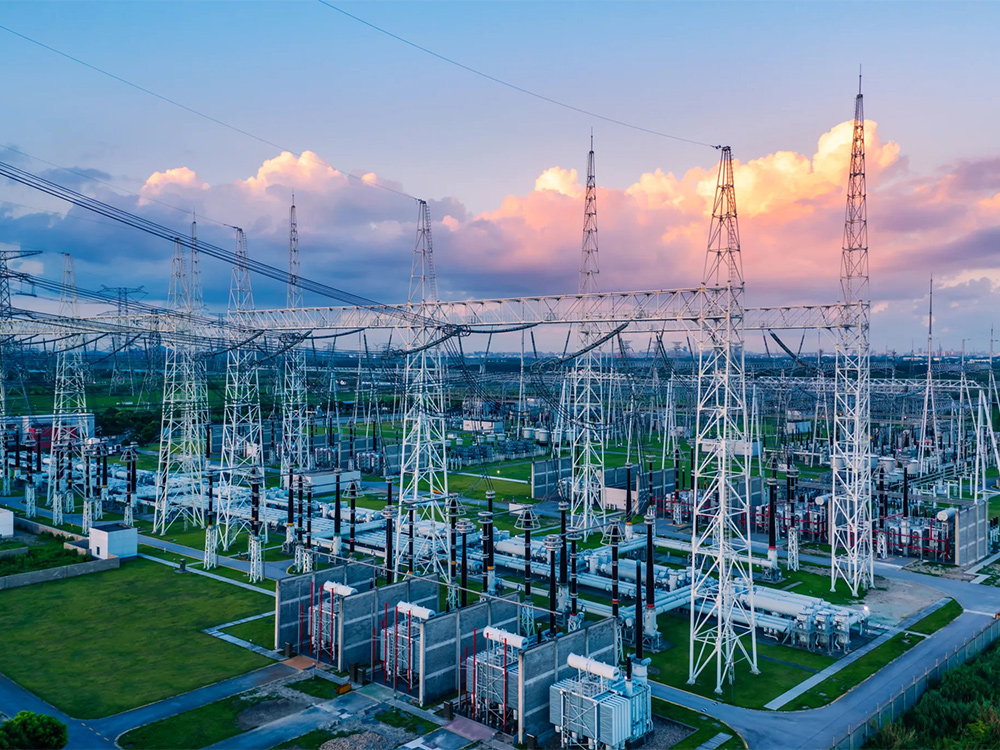
Industrial substations serve as the nerve centers of a plant's electrical system — they receive high-voltage power from the utility grid and step it down to medium or low voltage levels suitable for driving motors, control systems, lighting, and automation equipment. The performance of the substation transformer directly determines the operational reliability, energy efficiency, and safety of the entire facility.
The global power transformer market was valued at over USD 70 billion in 2024 and is projected to exceed USD 110 billion by 2032, driven by rapid industrialization, the expansion of renewable energy infrastructure, and the electrification of transportation and manufacturing sectors. Industrial substation transformers represent one of the fastest-growing segments within this market.
Asia-Pacific, led by China and India, dominates demand due to large-scale industrial parks, smart city projects, and aggressive investment in clean energy generation. North America and Europe are experiencing a surge in transformer replacement cycles as aging grid infrastructure reaches end-of-life, while stringent energy efficiency regulations push industrial buyers toward next-generation, low-loss transformer technologies.
The industrial transformer sector is undergoing a profound transformation. Multiple converging forces — digital connectivity, decarbonization mandates, and the rise of distributed energy — are reshaping both product design and deployment strategies.
Modern industrial substations increasingly integrate smart transformers embedded with IoT sensors, enabling real-time monitoring of temperature, load, oil level, and partial discharge. Data analytics platforms predict failures before they occur, dramatically reducing unplanned downtime and maintenance costs.
Regulatory frameworks such as IEC 60076-7, EU Ecodesign Directive, and DOE efficiency tiers are compelling manufacturers to adopt amorphous metal cores, improved insulation materials, and low-loss winding configurations to minimize transformer no-load losses by up to 70% vs. legacy designs.
With solar farms, wind parks, and battery energy storage systems (BESS) proliferating globally, industrial substations now serve as bidirectional power hubs. Substation transformers must handle non-sinusoidal loads, harmonic distortions, and variable power factors — requirements driving new K-rated and harmonic-mitigating transformer designs.
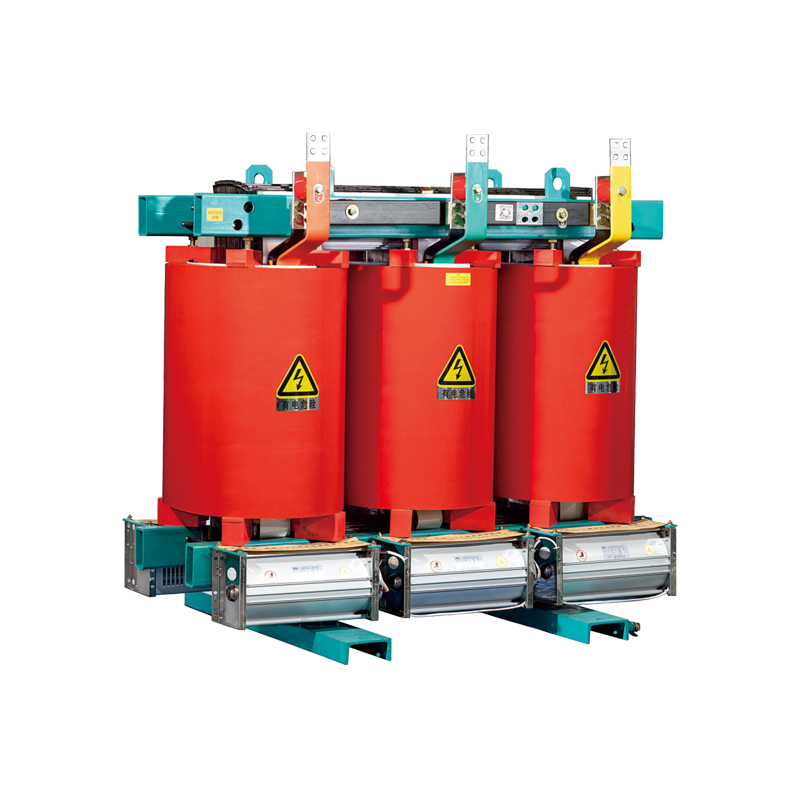
Safety regulations in tunnels, high-rise buildings, hospitals, data centers, and urban substations are accelerating adoption of dry-type transformers (SCB series). Unlike oil-immersed units, cast resin transformers eliminate fire risk, require no oil maintenance, and operate reliably in humid, dusty, or chemically aggressive environments.
Prefabricated, modular substations — factory-built and fully tested before site delivery — are transforming installation workflows for industrial parks, mining operations, and offshore platforms. Compact design reduces civil engineering costs and accelerates commissioning timelines from months to weeks.
As substations become increasingly digitized and connected to SCADA and EMS platforms, cybersecurity has become a top priority. IEC 62351 standards and encrypted communication protocols are now essential requirements for industrial substation projects in critical infrastructure sectors.
Steel mills, aluminum smelters, and chemical plants operate some of the most power-hungry equipment on earth — arc furnaces, large induction motors, and electrolysis cells drawing tens of megawatts continuously. Industrial substations in these facilities rely on high-capacity transformers (often 35kV–220kV) with reinforced insulation, active cooling systems, and on-load tap changers (OLTC) to maintain voltage stability despite constantly fluctuating loads.
Hyperscale data centers require a continuous, ultra-reliable power supply at scale. Industrial substation transformers feeding data centers must deliver extremely low total harmonic distortion (THD), support N+1 or N+2 redundancy architectures, and comply with Tier III/IV uptime standards. Dry-type transformers with low-noise cores are preferred in these environments to limit electromagnetic interference with sensitive IT equipment.
Solar photovoltaic parks and wind farms require dedicated step-up transformers to export generated power at transmission voltage levels. These transformers must tolerate high harmonic content from inverters, withstand frequent energization cycles, and function reliably under remote, unmanned conditions. Our SCB dry-type and outdoor oil-immersed transformers are widely deployed across utility-scale renewable projects.
Metro systems, high-speed railways, and traction substations demand transformers capable of handling rapid, frequent load fluctuations caused by train acceleration and braking. Substation transformers here must meet strict EMI emission limits, vibration resistance standards, and often require specialized rectifier or autotransformer configurations for traction power supply.
Offshore drilling platforms, LNG terminals, underground mines, and petrochemical refineries represent some of the most demanding industrial environments for electrical equipment. Substation transformers serving these applications must be explosion-proof (ATEX certified), corrosion-resistant, and capable of operating reliably at extreme temperatures and in areas with limited maintenance access.
In Industry 4.0 facilities, industrial substation transformers serve not only as power delivery devices but as integral nodes in the plant's digital energy management system. Power quality data from smart meters and digital transformers feeds directly into manufacturing execution systems (MES) and energy management software, enabling real-time load optimization, cost reduction, and sustainability reporting.
| Application Sector | Voltage Range | Key Requirements | Preferred Transformer Type |
|---|---|---|---|
| Heavy Manufacturing | 35kV – 220kV | High load, OLTC, active cooling | Oil-immersed power transformer |
| Data Centers | 10kV – 35kV | Low THD, low noise, redundancy | Dry-type cast resin (SCB series) |
| Renewable Energy | 0.4kV – 35kV | Harmonic tolerance, remote ops | Dry-type / outdoor oil-immersed |
| Rail & Traction | 10kV – 110kV | Rapid load change, EMI limits | Rectifier / autotransformer |
| Oil, Gas & Mining | 6kV – 35kV | Explosion-proof, corrosion-resistant | ATEX-rated industrial transformer |
| Smart Factory (Ind. 4.0) | 10kV – 35kV | IoT integration, power quality data | Smart dry-type with monitoring |
Suian Industrial Control has a rich product line, widely used in various fields such as power control, mechanical operation control, automation control, new energy, robots, etc.

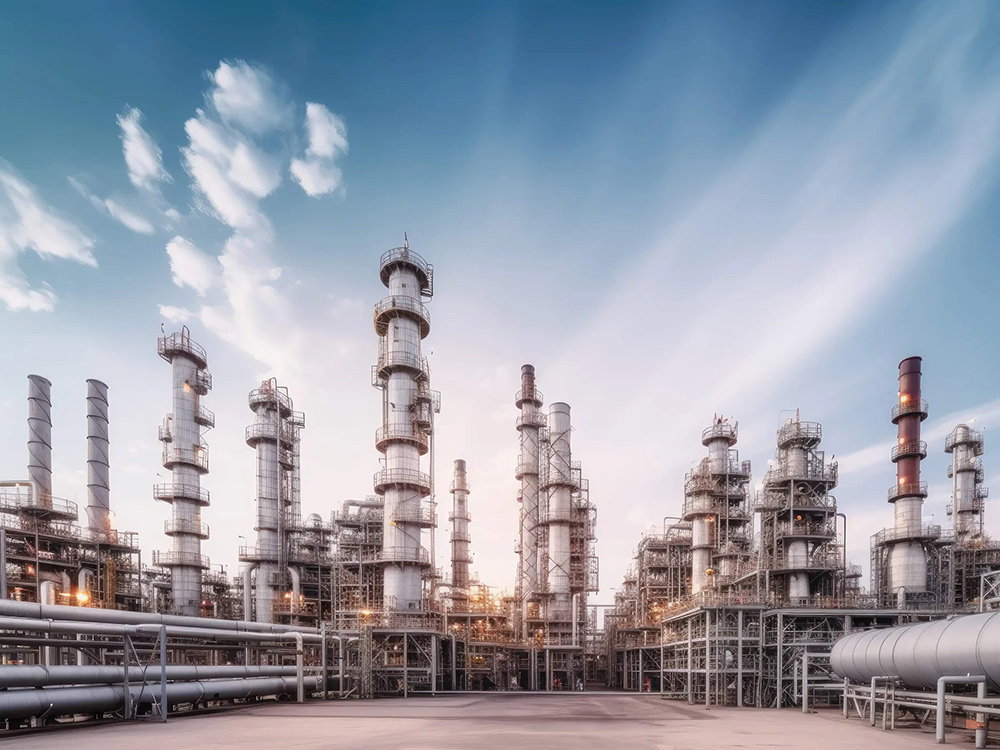


Selecting the optimal power supply transformer for an industrial substation requires careful analysis of multiple technical and operational parameters. Incorrect sizing or specification can lead to excessive energy losses, premature equipment failure, or hazardous operating conditions.
The SCB□ series 6–10kV dry-type power transformer represents the leading choice for modern industrial substations where fire safety, environmental protection, and minimal maintenance are priorities. With Class F or H insulation, epoxy-cast coils, and IP00 to IP54 enclosure options, SCB transformers deliver exceptional performance in data centers, hospitals, commercial buildings, underground facilities, and industrial clean rooms. The elimination of transformer oil removes fire and environmental contamination risks, while the self-extinguishing resin compound ensures safety even in the most demanding scenarios.
For outdoor deployments, oil-immersed transformers remain the technology of choice for high-capacity transmission substations and remote industrial facilities where the economics of dry-type units are less favorable at very high kVA ratings.
Explore the complete portfolio of power supply transformers, current transformers, switchgear, and power quality solutions engineered for industrial substation applications.