Transforming Railway Power Infrastructure: The Critical Role of Power Supply Transformers
The railway and traction power systems represent one of the most demanding applications for electrical equipment in modern infrastructure. Power supply transformers specifically designed for railway and traction applications serve as the backbone of electrified transportation networks, converting high-voltage transmission power into usable voltage levels for locomotives, metro systems, light rail, and other electric traction vehicles. These specialized transformers must operate reliably under extreme conditions, including continuous heavy loads, frequent voltage fluctuations, harmonic distortion, and harsh environmental factors.
Industry Overview and Market Dynamics
The global railway electrification market is experiencing unprecedented growth, driven by urbanization, environmental concerns, and the push toward sustainable transportation. According to industry analysis, the railway power supply transformer market is projected to grow at a CAGR of 6.8% through 2030, with Asia-Pacific leading the expansion due to massive investments in high-speed rail and urban transit systems. China alone has invested over $300 billion in railway electrification over the past decade, while Europe continues to modernize its extensive rail networks with more efficient power systems.
Technical Specifications and Design Requirements
Railway traction transformers differ significantly from conventional power transformers. They must handle non-linear loads created by rectifiers and inverters in modern electric locomotives, which generate significant harmonic content. These transformers typically operate at voltage levels ranging from 25kV to 110kV on the primary side, with secondary voltages optimized for specific traction systems—commonly 1.5kV DC, 3kV DC, or 15kV/25kV AC depending on the railway standard.
🔋
High Efficiency
Advanced core materials and winding designs achieve efficiency ratings exceeding 99.5%, minimizing energy losses
⚡
Harmonic Mitigation
Specialized designs to handle and filter harmonic distortion from traction loads
🛡️
Robust Construction
Enhanced mechanical strength to withstand vibrations and dynamic loads from railway operations
Application Scenarios in Modern Railway Systems
Power supply transformers for railway applications are deployed across multiple critical points in the traction power network:
-
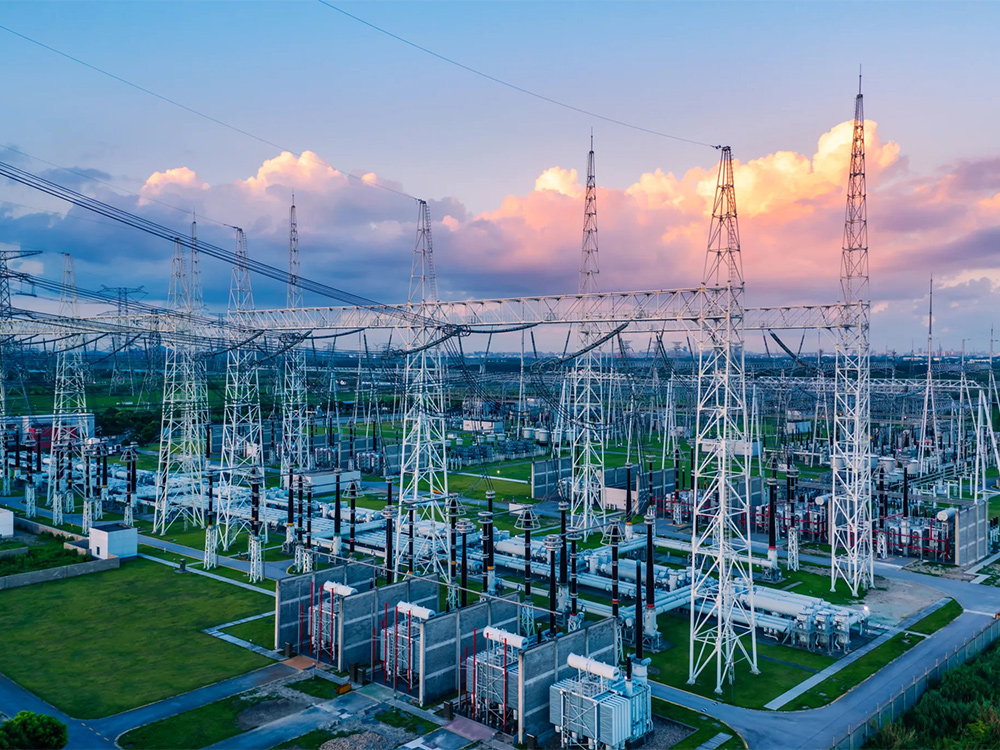
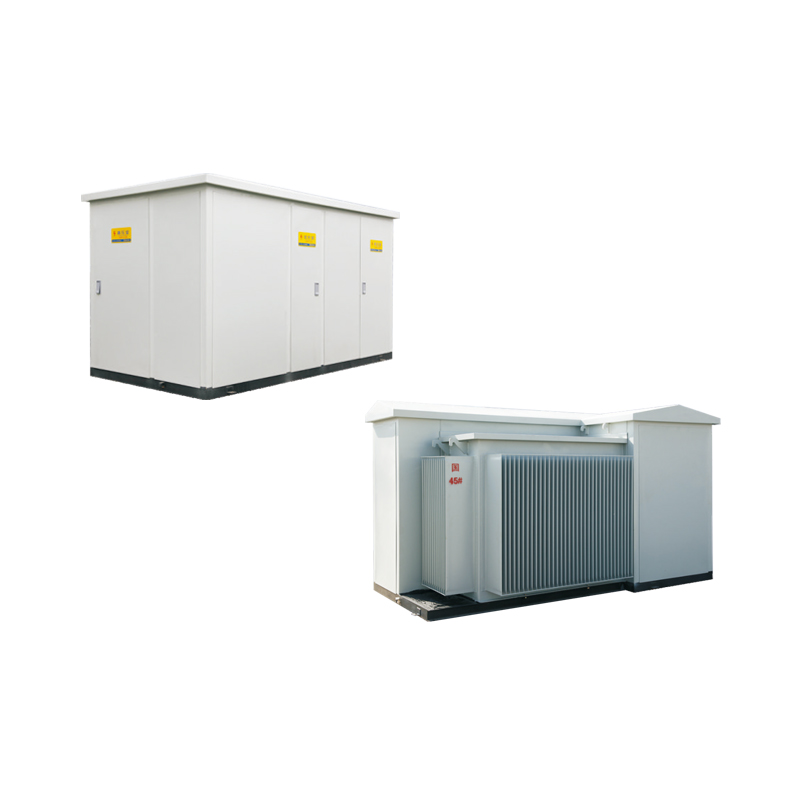
Traction Substations: Main transformers that step down transmission voltage to traction voltage, typically installed every 20-50 km along electrified routes. These units range from 10MVA to 63MVA capacity and must handle rapid load changes as trains accelerate and decelerate.
-
Sectioning Posts: Smaller distribution transformers that divide the overhead catenary system into manageable sections, improving system reliability and facilitating maintenance isolation.
-
Auxiliary Power Systems: Transformers providing power for station facilities, signaling systems, communication equipment, and platform services, requiring high reliability and power quality.
-
Metro and Light Rail Systems: Compact, high-efficiency transformers designed for urban environments with space constraints, often requiring special noise reduction features.
-
High-Speed Rail Networks: Advanced transformers capable of supporting trains operating at speeds exceeding 300 km/h, with extremely high power demands during acceleration phases.
Technological Innovations and Development Trends
The railway transformer industry is undergoing significant technological evolution driven by digitalization, sustainability goals, and performance demands:
Smart Monitoring and Predictive Maintenance: Modern railway transformers increasingly incorporate IoT sensors and digital monitoring systems that track temperature, load current, oil quality, partial discharge, and other critical parameters in real-time. Advanced analytics and machine learning algorithms process this data to predict potential failures before they occur, enabling condition-based maintenance strategies that reduce downtime and extend equipment lifespan. Some systems now integrate with railway operation control centers, providing operators with comprehensive visibility into power system health.
Eco-Friendly Designs: Environmental regulations and sustainability initiatives are driving the adoption of biodegradable insulating fluids, reduced SF6 usage, and designs that minimize electromagnetic field emissions. Manufacturers are developing transformers with lower losses, recyclable materials, and reduced carbon footprints throughout their lifecycle. Some next-generation designs achieve energy savings of 15-20% compared to conventional models.
Solid-State Transformer Technology: Research into solid-state transformers (SSTs) for railway applications represents a potential paradigm shift. These electronic transformers offer advantages including precise voltage regulation, bidirectional power flow for regenerative braking energy recovery, reduced size and weight, and enhanced control capabilities. While currently more expensive, SSTs are expected to become economically viable for railway applications within the next decade.
24/7
Continuous Operation
Challenges in Railway Transformer Applications
Despite technological advances, several challenges continue to impact railway power supply transformer performance and deployment:
-
Load Variability: Railway loads are among the most dynamic in power systems, with rapid fluctuations as multiple trains accelerate, decelerate, and regenerate power simultaneously. Transformers must handle these variations without overheating or degrading.
-
Harmonic Pollution: Modern traction drives with power electronic converters generate significant harmonic currents that can cause transformer overheating, reduced efficiency, and interference with signaling systems. Advanced filtering and K-factor rated designs are essential.
-
Space Constraints: Urban railway systems often face severe space limitations for substation equipment. Compact transformer designs with high power density are required, sometimes necessitating innovative cooling solutions.
-
Environmental Extremes: Railway transformers must operate reliably across wide temperature ranges, from arctic conditions to tropical heat, while withstanding humidity, dust, salt spray in coastal areas, and industrial pollution.
-
Seismic Resilience: In earthquake-prone regions, transformers require special mounting systems and structural reinforcements to maintain operation and prevent catastrophic failures during seismic events.
Integration with Renewable Energy Sources
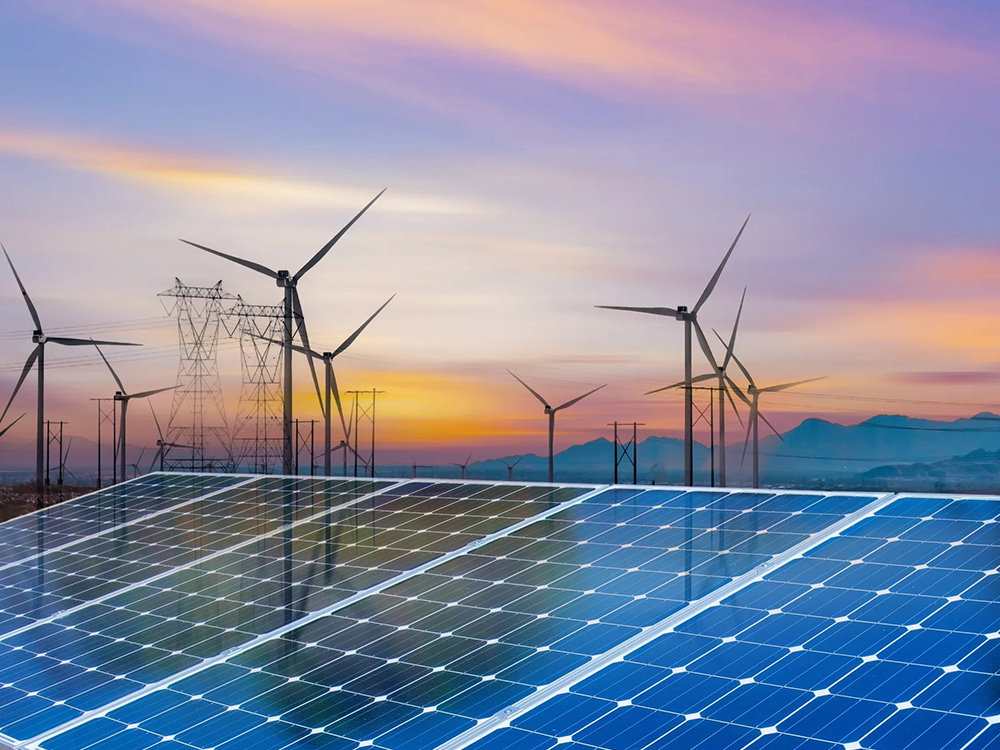
An emerging trend in railway electrification is the integration of renewable energy sources directly into traction power systems. Solar farms and wind installations are being connected to railway substations, requiring transformers capable of handling bidirectional power flow and variable generation patterns. This integration supports sustainability goals while potentially reducing operational costs. Advanced transformer designs now incorporate features specifically for renewable integration, including enhanced voltage regulation capabilities and compatibility with energy storage systems that buffer intermittent generation.
Case Study: High-Speed Rail Power Systems
High-speed rail networks represent the most demanding application for railway power transformers. A typical high-speed train operating at 350 km/h can draw peak power exceeding 10MW during acceleration. Traction substations must be positioned closer together—typically every 15-25 km—to maintain voltage stability at these power levels. Transformers for these applications utilize advanced cooling systems, premium core materials, and sophisticated protection schemes. The Beijing-Shanghai high-speed railway, for example, employs over 200 traction substations with transformers totaling more than 5,000 MVA of installed capacity, demonstrating the massive scale of modern railway electrification projects.
Standards and Compliance Requirements
Railway power supply transformers must comply with stringent international and regional standards including IEC 60310 (Railway applications - Traction transformers and inductors on board rolling stock), EN 50329 (Railway applications - Fixed installations - Traction transformers), and various national railway standards. These specifications define performance requirements, testing procedures, safety features, and electromagnetic compatibility criteria. Compliance certification is essential for equipment acceptance and often requires extensive type testing at accredited laboratories.
Future Outlook and Market Opportunities
The future of railway power supply transformers is closely tied to broader trends in transportation electrification and smart grid development. Significant opportunities exist in:
- Retrofitting aging railway infrastructure in developed markets with modern, efficient transformer technology
- Supporting massive railway expansion projects in developing economies, particularly in Africa, Southeast Asia, and Latin America
- Developing specialized transformers for emerging applications like hyperloop systems and magnetic levitation trains
- Integration with vehicle-to-grid (V2G) concepts where stationary trains could provide grid stabilization services
- Miniaturization and weight reduction for battery-electric hybrid trains operating on partially electrified routes
As railway systems worldwide continue modernizing and expanding, the demand for reliable, efficient, and intelligent power supply transformers will continue growing. Manufacturers who can deliver innovative solutions addressing the unique challenges of railway applications—combining proven reliability with advanced digital capabilities and environmental sustainability—will be well-positioned to capture market opportunities in this critical infrastructure sector.