

Leave Your Message
Explore our core power supply transformer solutions engineered for stepping up generator voltage across industrial, commercial, and renewable energy applications.
A power supply transformer for stepping up generator voltage is a critical electrical device that increases the output voltage from a generator to a level suitable for efficient long-distance transmission or direct industrial application. By leveraging electromagnetic induction principles, step-up transformers convert low-voltage, high-current power from generators into high-voltage, low-current output — dramatically reducing energy losses across transmission lines and enabling power to reach end-users with maximum efficiency.
In modern power infrastructure, generators — whether driven by gas turbines, steam turbines, diesel engines, wind turbines, or photovoltaic inverters — typically produce voltages ranging from 400V to 15kV. However, grid transmission networks and heavy industrial systems often require voltages of 35kV, 110kV, or even higher. The step-up transformer bridges this critical gap, making it an indispensable component in virtually every power generation and distribution system on the planet.
From utility-scale power plants to distributed renewable energy installations, the step-up transformer ensures that every watt generated is delivered to where it is needed with minimal waste. As global energy demands escalate and the push toward cleaner, smarter power intensifies, the role of these transformers has never been more strategically important.
The global market for power supply transformers — especially step-up variants used in generator voltage applications — is experiencing robust growth. Key drivers include the accelerating buildout of renewable energy infrastructure, the modernization of aging grid systems in developed economies, and the rapid electrification of industrial processes in emerging markets across Southeast Asia, South Asia, and Africa.
According to industry analyses, the power transformer market is projected to surpass USD 82 billion by 2030, growing at a compound annual growth rate (CAGR) of approximately 6.8%. Step-up transformers represent a significant and expanding segment of this market, particularly in applications tied to wind, solar, and hybrid power plants where generator output must be stepped up before grid injection.
China has established itself as the world's largest producer and exporter of power supply transformers, including advanced step-up models. Chinese manufacturers like Suian Industrial Control have invested heavily in research and development, automation, and quality management systems — producing transformers that meet international standards such as IEC, IEEE, and GB/T. With competitive pricing, scalable production capacity, and increasingly sophisticated engineering capabilities, Chinese suppliers are now trusted partners for utility companies, EPC contractors, and industrial operators worldwide.
The "Made in China 2025" initiative and subsequent industrial policies have further accelerated the development of high-voltage, high-efficiency transformer technologies, positioning Chinese manufacturers at the forefront of global supply chains for step-up generator voltage transformers.
Several high-growth industrial sectors are fueling increased adoption of step-up power supply transformers. The oil and gas industry relies on them for offshore platform power systems and pipeline compression stations. The mining sector uses heavy-duty step-up transformers to power electric hoists, crushers, and ventilation systems deep underground. Data center operators increasingly deploy generator-backed power systems with step-up transformers to ensure uninterruptible, high-quality power delivery. Meanwhile, the rapid expansion of electric vehicle (EV) charging infrastructure is creating new demand for compact, high-efficiency step-up solutions at the grid edge.
The power supply transformer industry is undergoing a profound technological transformation. Here are the most impactful trends redefining step-up generator voltage solutions.
Manufacturers are shifting toward biodegradable ester-based insulating oils, amorphous-core materials, and recyclable enclosures to reduce the environmental footprint of step-up transformers. These innovations align with global ESG commitments and increasingly stringent environmental regulations.
Next-generation step-up transformers are being equipped with embedded sensors, IoT connectivity, and AI-driven diagnostic platforms. Real-time monitoring of temperature, load, oil quality, and partial discharge enables predictive maintenance, dramatically reducing unplanned downtime and extending asset life.
Regulatory pressure and energy cost optimization are driving transformer efficiency to unprecedented levels. Modern amorphous alloy core step-up transformers achieve no-load loss reductions of up to 70% compared to traditional silicon steel designs, delivering significant lifetime energy savings for industrial and utility operators.
As battery energy storage systems (BESS) become mainstream, step-up transformers are increasingly designed to interface seamlessly with storage inverters and bidirectional power flows — supporting both grid injection and local load balancing in hybrid generator-storage microgrids.
Space constraints in urban substations and offshore installations are driving demand for compact, modular step-up transformer designs. Dry-type and cast-resin transformers are gaining market share in indoor and space-limited environments, offering excellent fire safety and reduced maintenance requirements.
Advanced digital design tools and flexible manufacturing systems allow leading suppliers to offer highly customized step-up transformer configurations — tailored voltage ratios, insulation classes, cooling methods, and enclosure ratings — with faster lead times than ever before, supporting complex project requirements globally.
Understanding where and how step-up transformers are deployed reveals the breadth of their industrial and commercial importance. Below are the most significant real-world application scenarios.
Modern wind turbines generate electricity at voltages typically between 690V and 1kV. A dedicated step-up transformer — often called a "wind turbine transformer" or "nacelle transformer" — is installed at the base of each turbine to boost this voltage to 10kV–35kV for collection, before a central step-up transformer raises it further to 110kV–220kV for grid injection. These transformers must withstand extreme mechanical vibration, wide temperature swings, and frequent load cycling — demanding robust engineering and premium materials.
Large-scale solar PV plants use central or string inverters that output AC voltage at 270V–800V. Step-up transformers at the inverter skid level boost this to medium voltage (10kV–35kV), while a main step-up transformer at the substation raises it to transmission voltage. Given the variable and intermittent nature of solar generation, these transformers must handle frequent load fluctuations and harmonics generated by power electronics — requiring specialized designs with enhanced insulation and cooling systems.
Critical industrial facilities — including hospitals, data centers, petrochemical plants, and semiconductor fabs — rely on diesel or gas generator sets as backup power sources. Step-up transformers in these systems ensure that generator output (typically 400V–11kV) can be matched to the facility's medium-voltage distribution network, enabling seamless automatic transfer switching (ATS) during grid outages. Precise voltage regulation and fast response times are paramount in these life-safety applications.
Ships, offshore oil platforms, and floating production units (FPSOs) operate isolated electrical systems powered by onboard diesel generators. Step-up transformers are used to distribute power at higher voltages across large vessels or platforms, reducing cable weight and losses — critical factors in marine engineering where every kilogram and every watt of loss matters. These transformers must meet strict marine classification society standards (DNV, Lloyd's, ABS) for safety and reliability at sea.
High-speed rail and urban metro systems require substantial, highly reliable power at specific traction voltages (25kV AC or 750V/1500V DC). Step-up transformers at traction substations receive power from the national grid and transform it to the required traction voltage. These applications demand transformers with extremely high short-circuit withstand capability, rapid load response, and minimal harmonic distortion to ensure smooth, safe train operations.
Advanced research institutions, particle accelerators, high-voltage test laboratories, and defense facilities require specialized step-up transformers capable of generating extremely high voltages for testing and experimental purposes. These custom-engineered transformers must deliver precise, stable voltage output across a wide range of load conditions — often incorporating advanced regulation and control systems to meet demanding scientific specifications.
The rise of distributed energy resources (DERs) — including rooftop solar, small wind turbines, micro-hydro generators, and combined heat and power (CHP) systems — is creating a new paradigm for step-up transformer applications. In microgrid architectures, step-up transformers serve as the interface between local generation assets and the broader distribution network, enabling both island mode operation and grid-synchronized power injection.
As microgrids become more prevalent in remote communities, industrial campuses, and military bases, the demand for compact, intelligent, and highly reliable step-up transformers is accelerating. These next-generation devices are designed not just to transform voltage, but to actively participate in grid management — responding to frequency deviations, voltage fluctuations, and reactive power demands in real time.
Choosing the optimal step-up transformer for a generator voltage application requires careful evaluation of multiple technical parameters. The primary voltage (generator output), secondary voltage (required transmission or distribution voltage), and the turns ratio must be precisely matched to the system design. Power rating (kVA or MVA), impedance percentage, insulation class (A, B, F, H), cooling method (ONAN, ONAF, OFAF, dry-type), and enclosure IP rating all play critical roles in determining the transformer's suitability for a specific environment.
Additionally, harmonic content in the generator output — particularly relevant for systems with variable-speed drives or power electronics — must be accounted for in the transformer's design to prevent overheating and premature insulation degradation. Reputable manufacturers like Suian Industrial Control provide comprehensive technical consultation and custom engineering services to ensure that every step-up transformer delivered is perfectly matched to its intended application.
Suian Industrial Control has a rich product line, widely used in various fields such as power control, mechanical operation control, automation control, new energy, robots, etc.
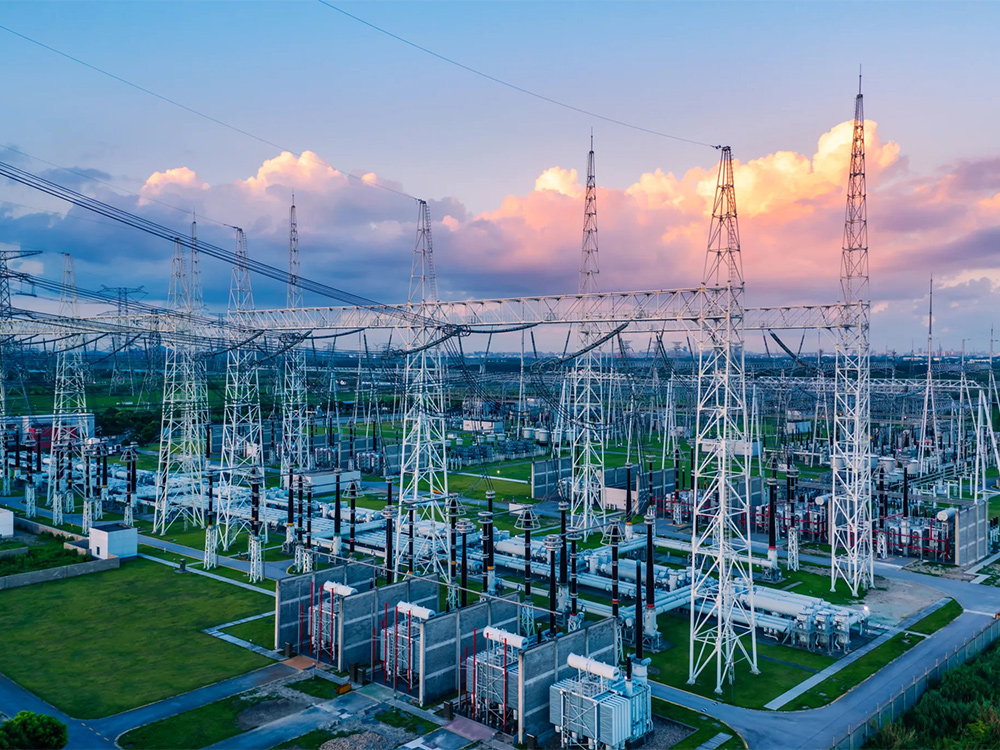
Electric Energy
As the cornerstone of stable power grid operation, this industry encompasses all aspects of power generation, transmission, and distribution, placing extremely high demands on the reliability, safety, and long-term service performance of equipment. We provide core equipment for traditional thermal, hydroelectric, and nuclear power plants, substations at all levels, and power transmission and distribution networks.

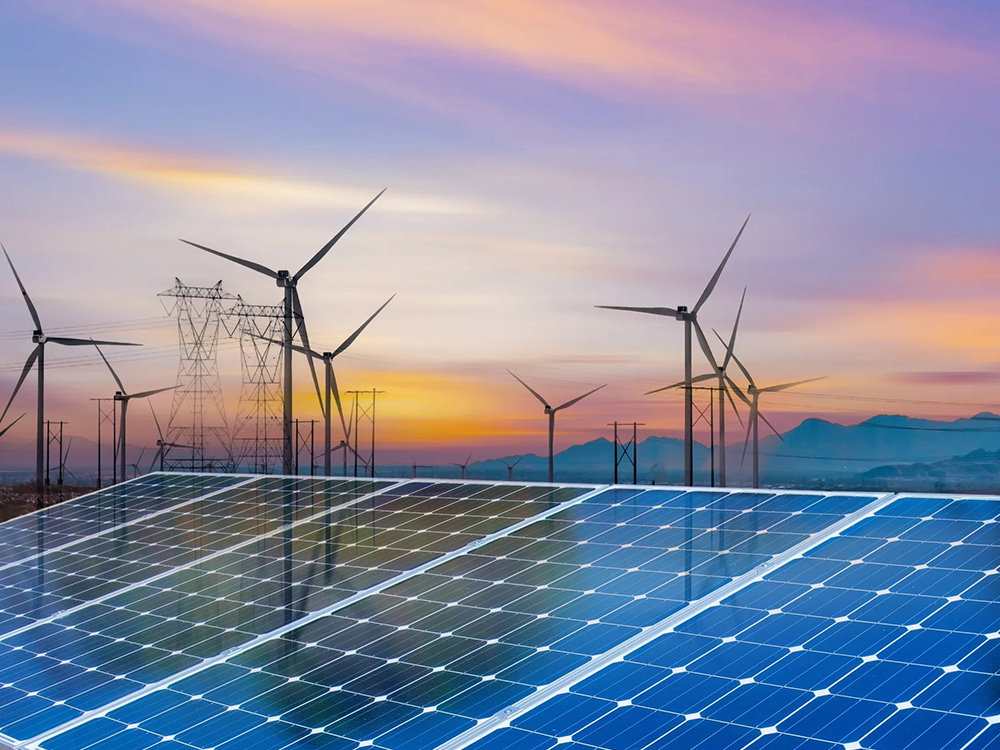
New Energy Power Generation
The rapid development of green energy sources such as photovoltaics and wind power has placed higher demands on the adaptability and intelligence of the electrical equipment used in their production. We focus on the specific needs of new energy power generation scenarios, providing a full range of electrical solutions from generation to grid connection.
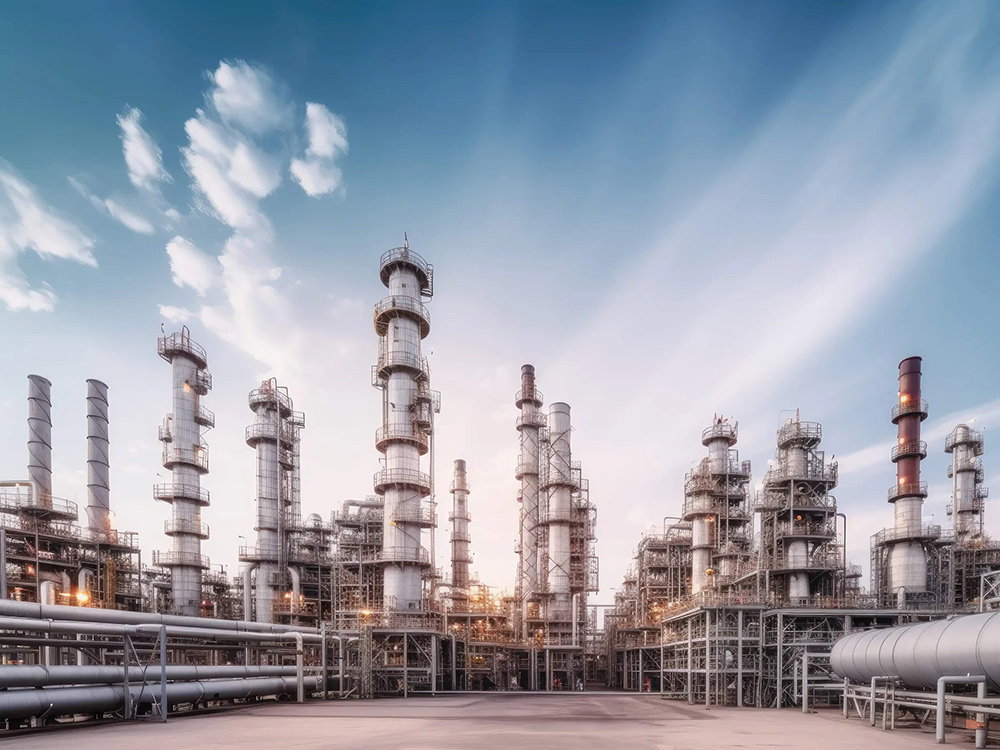
Industrial Manufacturing and Automation
Modern factories rely on a continuous, safe, and high-quality power supply to ensure uninterrupted operation of production lines. Our products serve the power distribution systems and automation control loops of various manufacturing plants, acting as the "heart" and "nerves" of industrial power.

Building and Municipal Engineering
From large commercial complexes to smart city infrastructure, safe, efficient, and intelligent power distribution systems are the lifeblood of modern buildings. We provide a complete range of electrical products for various buildings and municipal projects, from main power distribution to end-point lighting.

Infrastructure Construction
Major infrastructure projects such as railways, highways, ports, and water conservancy are large-scale and operate in complex environments, posing a severe test to the durability and reliability of power equipment. We provide full-cycle product support for infrastructure projects, from temporary power supply during the construction phase to permanent power distribution during the operation phase.
From medium-voltage current transformers to dry-type power transformers and renewable energy solutions — our full product range supports every step-up generator voltage application.
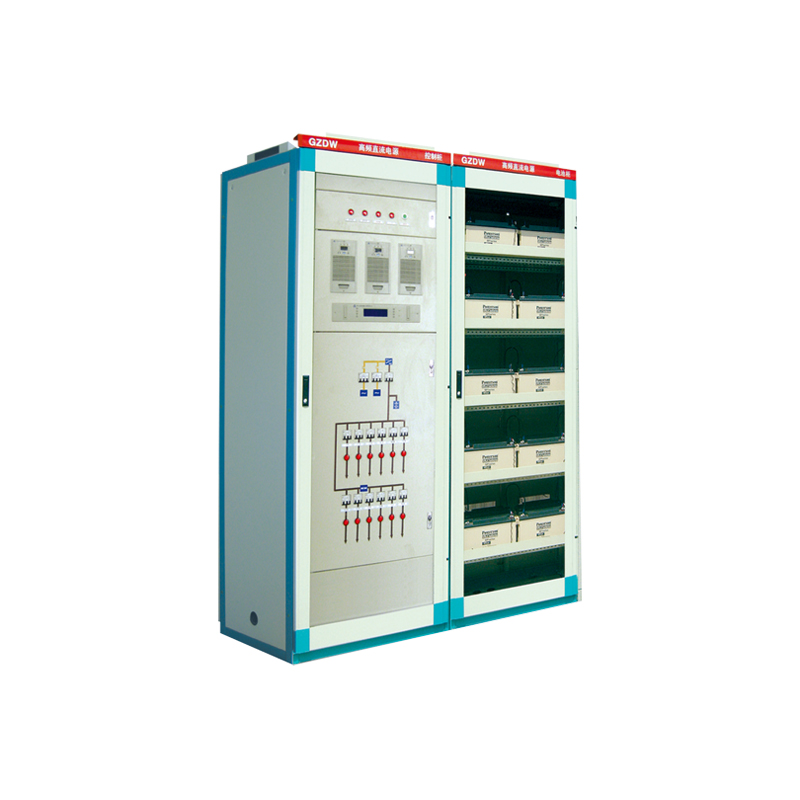 GZDW DC Screen Power Display System
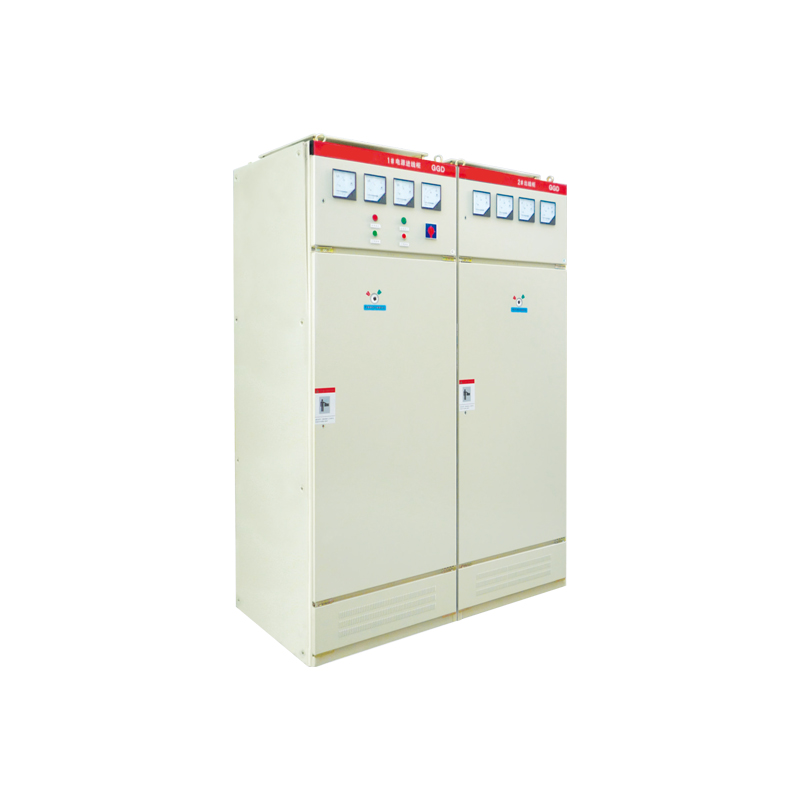 GGD AC Low Voltage Power Distribution Cabinet
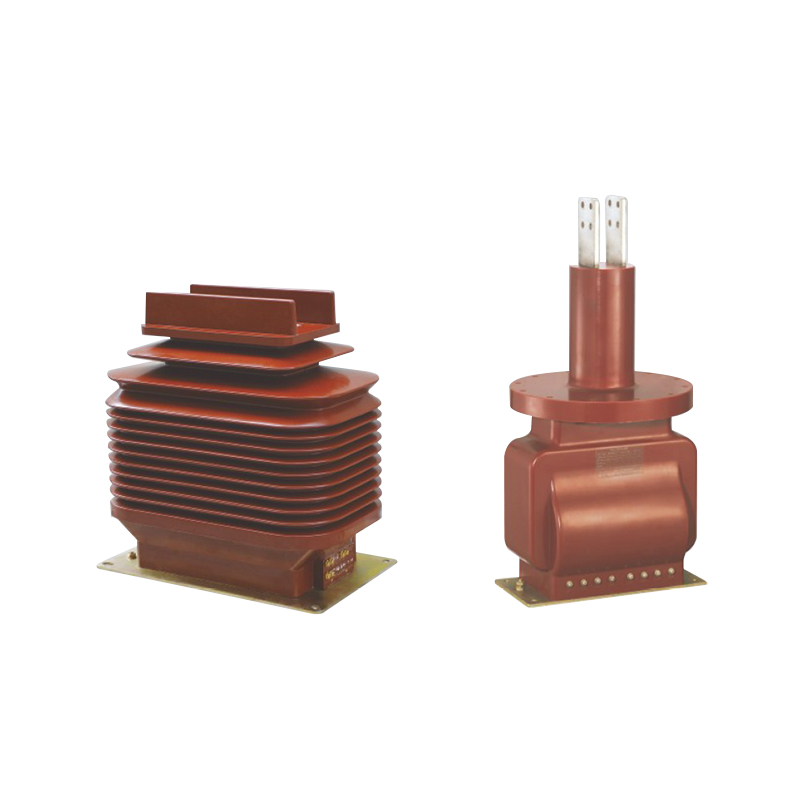 LZZB9-35 High Quality Current Transformer
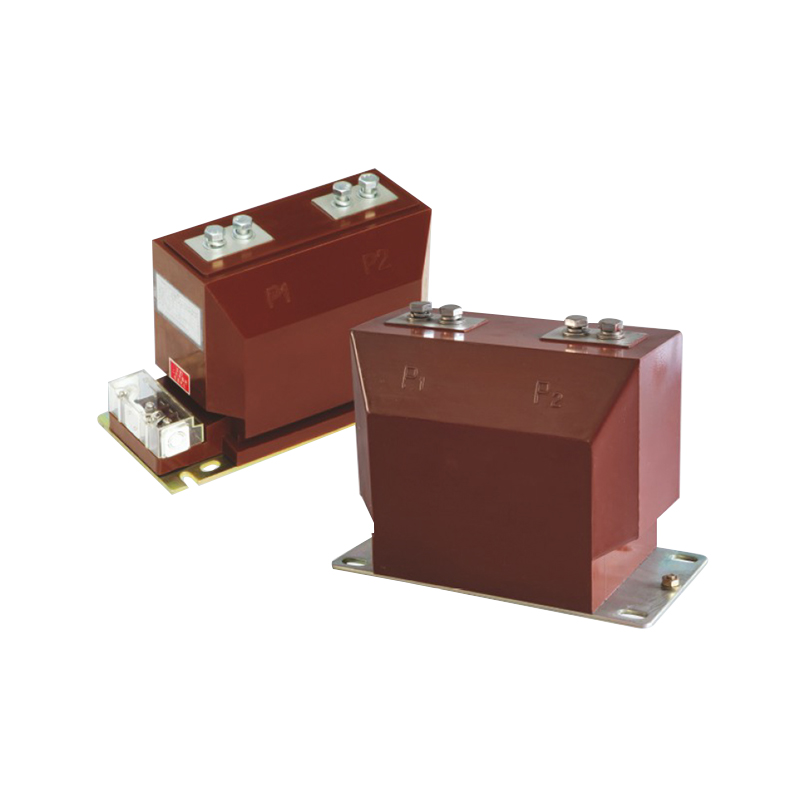 High-Precision LZZBJ9-10A Current Transformer 10kV — Trusted China Suppliers & Factory for Medium-Voltage Solutions
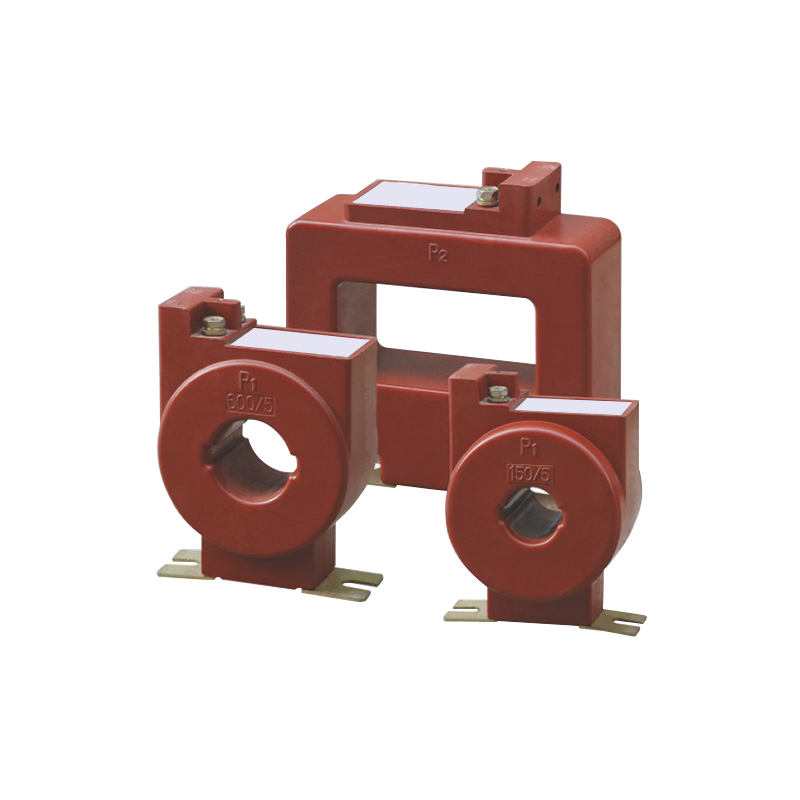 High Precision LMZ1(2,3,4)D-HZT1 Current Transformer — China Suppliers & Factory for Grid Monitoring Solutions
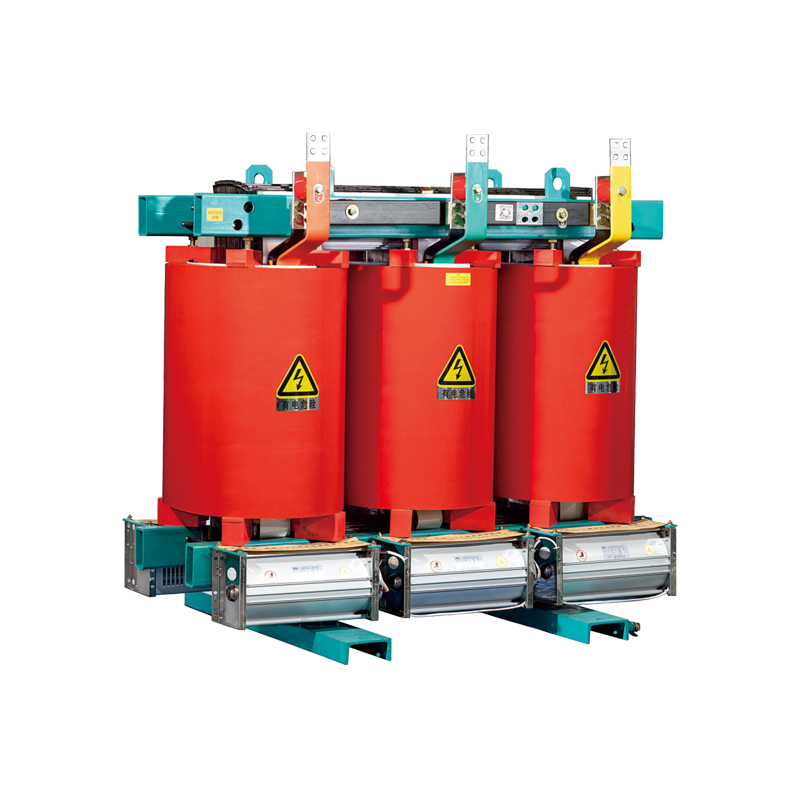 SCB□ Series 6-10kV Dry-Type Power Transformer
 Voltage Transformer (for Ring Network Cabinet)
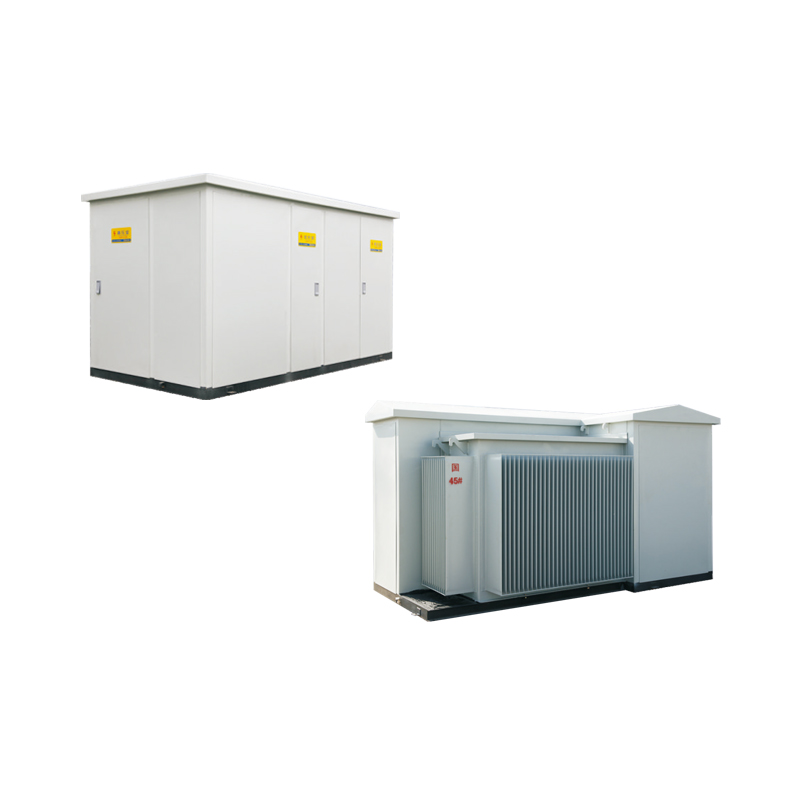 China Suppliers Factory Wind Power & Photovoltaic Transformers 40.5kV / 12kV for Renewable Energy Solutions
Contact Suian Industrial Control today for expert consultation on power supply transformers for stepping up generator voltage — custom solutions for every industrial and renewable energy application.
Get a Custom Quote →