Leave Your Message
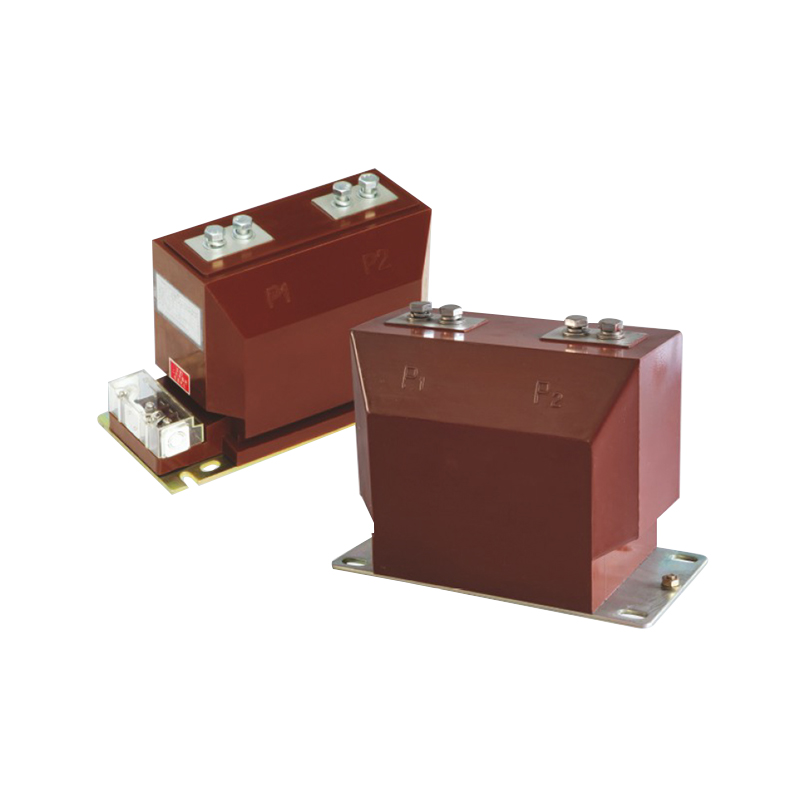
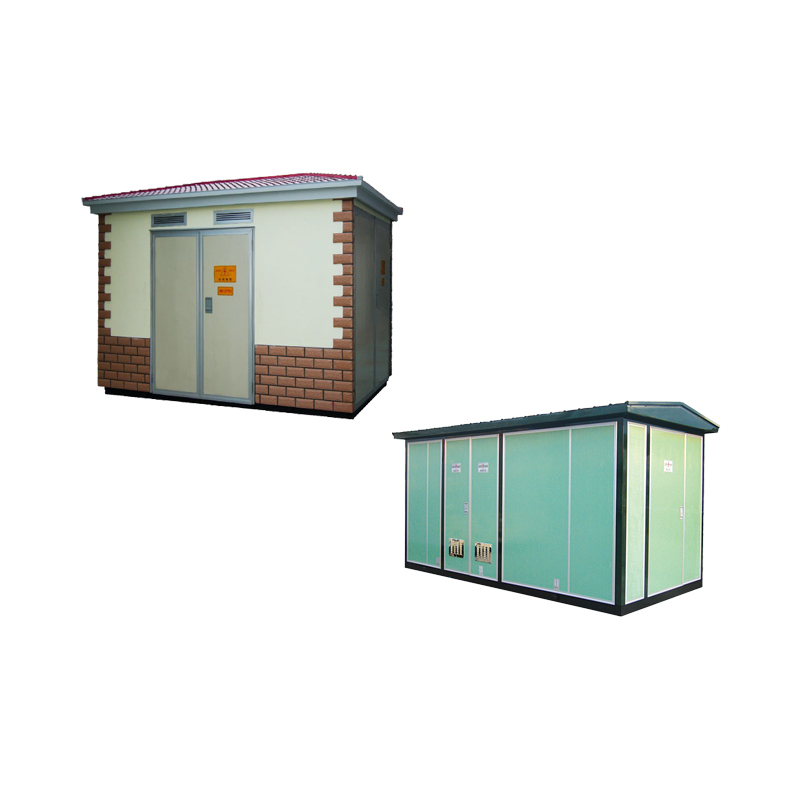
As urbanization accelerates and the complexity of modern buildings grows, the demand for power transformers that can operate safely inside fire-sensitive environments has never been more critical. Conventional oil-filled transformers, while reliable in outdoor substations, present unacceptable fire and environmental risks when installed inside hospitals, shopping malls, data centers, airports, subway stations, high-rise office towers, and industrial clean rooms. The solution — and the global standard — is the indoor dry-type power transformer.
🔒 Key Insight: Dry-type transformers eliminate the use of flammable mineral oil, replacing it with air or cast resin insulation systems. This single design decision fundamentally transforms the safety profile of indoor electrical infrastructure, enabling transformers to be installed in occupied buildings without fire suppression systems or containment pits.
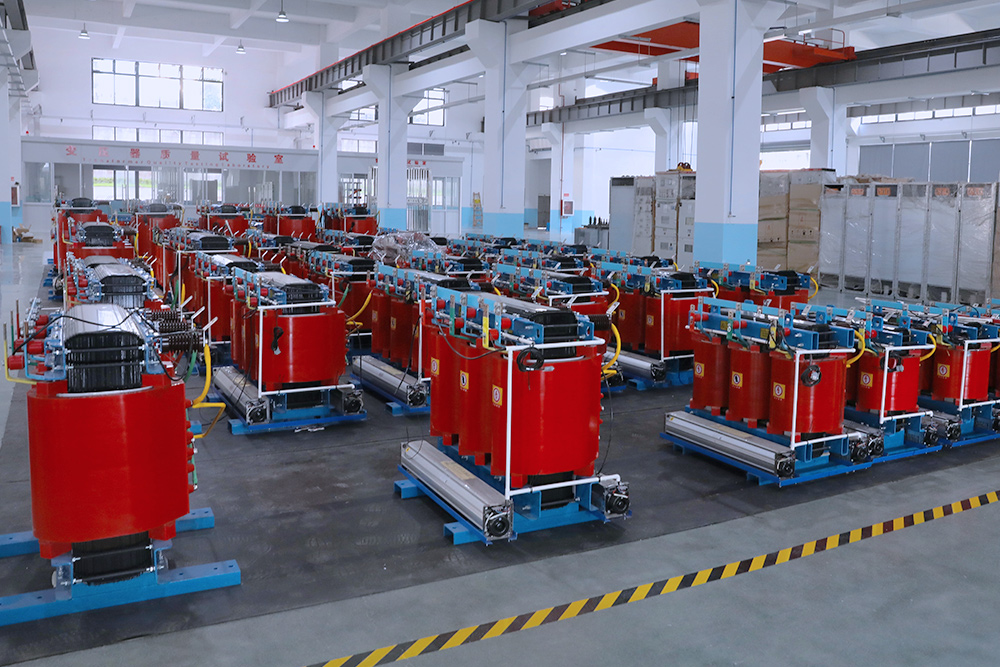
Unlike oil-immersed units, dry-type transformers use solid cast resin (epoxy) or vacuum-pressure impregnated (VPI) insulation. These systems are self-extinguishing, produce minimal toxic smoke under fault conditions, and comply with the most stringent international fire safety standards including IEC 60076-11, EN 50588, and UL 1561. For any engineer, facility manager, or procurement specialist working on fire-sensitive indoor projects, specifying a dry-type transformer is not simply a preference — it is a regulatory and safety imperative.
The market for indoor dry-type transformers is experiencing robust growth globally. According to industry research, the global dry-type transformer market was valued at over USD 5.8 billion in 2023 and is projected to exceed USD 9.2 billion by 2030, driven by rapid growth in renewable energy integration, urban infrastructure development, and increasingly stringent building fire codes in North America, Europe, and the Asia-Pacific region.
Cast resin dry-type transformers achieve F1 fire classification under IEC 60076-11, meaning they are self-extinguishing and will not propagate flame — the highest standard for indoor installations.
No mineral oil or flammable liquid insulation. Eliminates the need for oil containment pits, fire suppression systems, and hazardous material handling protocols — dramatically reducing installation cost and complexity.
Dry-type units produce no risk of soil or groundwater contamination from oil leaks. Epoxy resin systems are recyclable and meet RoHS and REACH environmental compliance standards for sustainable buildings.
Advanced vacuum casting and quality resin formulations achieve partial discharge levels below 10 pC, ensuring long operational lifespan and high dielectric reliability even in humid or polluted indoor environments.
Designed for installation in tight indoor electrical rooms, basement substations, and rooftop plant rooms. Smaller clearance requirements compared to oil-filled alternatives maximize usable building space.
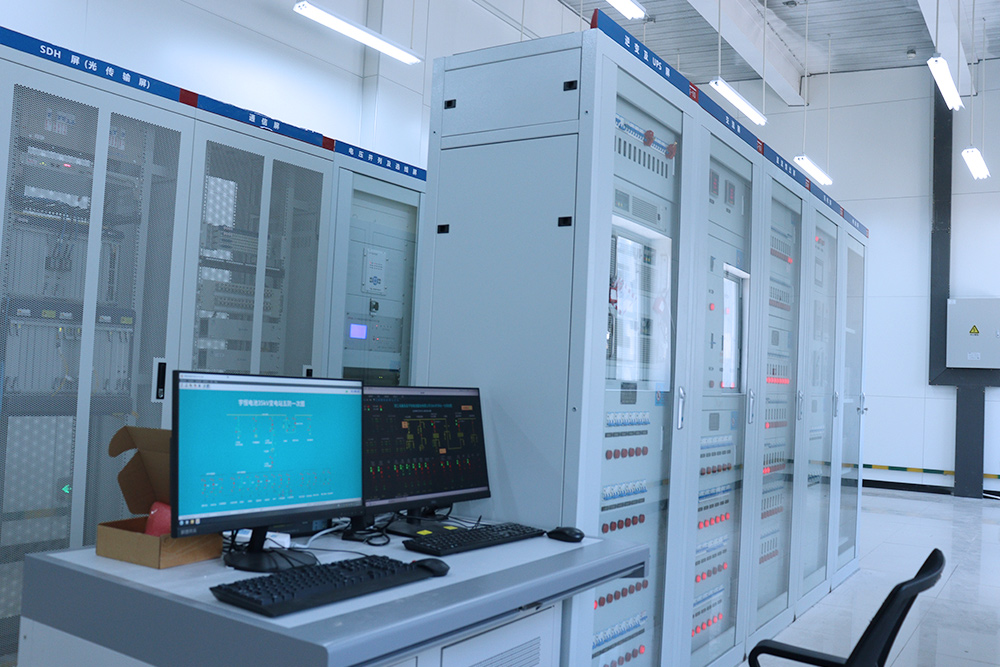
Modern dry-type transformers integrate thermal sensors, PT100 RTD probes, and IoT-compatible monitoring modules, enabling real-time temperature tracking and predictive maintenance via BMS or SCADA systems.
Building codes in the EU (EN 50588), USA (NFPA 70 / NEC Article 450), China (GB/T 10228), and most major markets now mandate dry-type or equivalent fire-safe transformers for indoor installations above specific kVA thresholds. Specifying compliant equipment from the outset avoids costly retrofits and regulatory penalties.
Life-critical environments demand zero tolerance for fire risk. Dry-type transformers power operating theaters, ICUs, and medical imaging equipment without the fire hazard of oil-filled units. Compliance with IEC 60364-7-710 (medical locations) is a standard requirement, and cast resin units deliver the necessary F1 classification and low-noise operation critical near patient care areas.
Data centers demand continuous uptime and stringent fire safety. Dry-type transformers are installed directly within server halls or adjacent electrical rooms, minimizing cable runs and power loss. Their compatibility with gaseous fire suppression systems (FM-200, NOVEC) and absence of oil make them the preferred choice for Tier III and Tier IV facilities worldwide.
Skyscrapers and mixed-use developments require power transformation at multiple floor levels. Dry-type units installed on electrical floors eliminate the risk of oil fires spreading through elevator shafts, cable risers, and HVAC systems. Their compact design and reduced clearance requirements are perfectly suited for space-constrained urban high-rise electrical rooms.
Underground railway systems and metro networks represent some of the most fire-sensitive environments imaginable. Dry-type traction transformers and auxiliary power transformers are mandated in all modern transit projects. Their self-extinguishing properties and ability to operate in confined, poorly ventilated spaces make them irreplaceable in this sector.
Semiconductor manufacturing and pharmaceutical clean rooms demand transformers with ultra-low partial discharge, zero contamination risk, and stable output under variable loads. Dry-type units with epoxy cast windings meet ISO Class 1–5 clean room requirements and support the high-precision power quality demanded by lithography and deposition equipment.
Solar farms, wind energy collection systems, and large-scale EV charging stations increasingly rely on dry-type transformers for grid interconnection in urban or building-integrated environments. Their ability to handle harmonic-rich loads from inverters and chargers, combined with fire-safe operation, positions them as the backbone of the clean energy transition.
Modern dry-type transformers are increasingly embedded with IoT sensors, thermal imaging interfaces, and cloud-connected monitoring modules. Real-time data on winding temperature, load factor, and insulation health enables predictive maintenance, reduces unplanned downtime, and integrates seamlessly with building energy management systems (BEMS) and smart grid infrastructure.
Historically, indoor dry-type transformers were limited to medium voltage (up to 36 kV). Advances in resin casting technology and vacuum pressure impregnation now enable dry-type designs at 72.5 kV and above, allowing high-voltage substations to be relocated indoors in urban environments where land is scarce and visual impact is a concern.
Global energy efficiency regulations (EU Ecodesign Directive, DOE 10 CFR Part 431, China GB 20052) are driving the adoption of amorphous alloy cores in dry-type transformers, reducing no-load losses by up to 70% compared to conventional silicon steel cores. This trend is particularly impactful for 24/7 facilities such as data centers and hospitals where no-load losses accumulate continuously.
The proliferation of variable frequency drives (VFDs), UPS systems, LED lighting, and EV chargers has created significant harmonic distortion challenges in modern buildings. Dry-type transformers with K-factor ratings (K-13, K-20) and delta-wye configurations are increasingly specified to mitigate harmonic currents, protecting sensitive downstream equipment and extending transformer life.
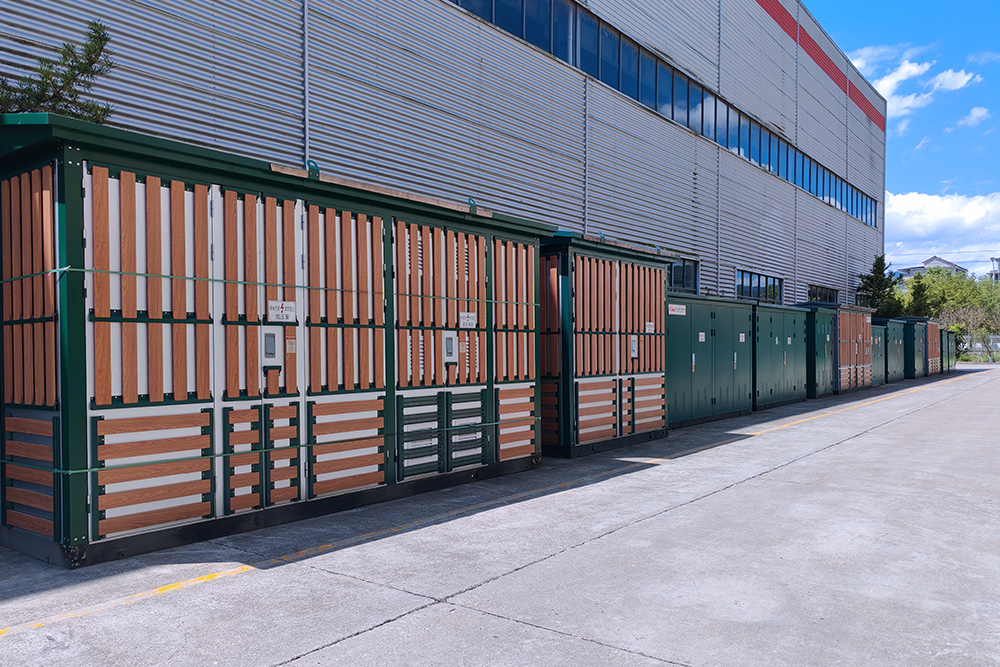
The construction industry's shift toward modular and off-site prefabrication is driving demand for factory-assembled indoor substations incorporating dry-type transformers, switchgear, and protection systems in pre-tested, plug-and-play enclosures. These solutions reduce on-site installation time, improve quality control, and are ideal for fast-track projects in healthcare, education, and commercial real estate.
China's Belt and Road Initiative continues to drive massive infrastructure investment across Southeast Asia, Africa, the Middle East, and Eastern Europe. Many of these projects — airports, hospitals, metro systems, and industrial parks — specify indoor dry-type transformers to meet international fire safety standards. Chinese manufacturers with proven export capabilities and international certifications are ideally positioned to serve this growing demand.

Backed by government capital support from Liushi Town People's Government, we possess robust financial strength, standardized compliant operations, and strong risk resilience capabilities that ensure business stability and reliability.

Extensive collaboration with industry-leading central state-owned enterprises including China Construction Eighth Engineering Division, China State Construction Engineering Corporation, and Sinopec, demonstrating our capability to meet the most stringent quality standards.

Direct access to over 25,000 product models across 200+ series through our strategic position in China's electrical industry hub, ensuring diverse product selection, competitive pricing, and reliable supply continuity.

Products and services meet international standards and certifications, making us ideally positioned for Belt and Road Initiative projects and overseas infrastructure development requiring reliable electrical solutions.
Yueqing Suian Electric Co., Ltd. is a wholly state-owned trading company controlled by Yueqing Liushi Urban and Rural Construction Investment Co., Ltd., with a registered capital of 10 million yuan. It has been deeply involved in the field of electrical product trading. With its solid state-owned background, rich experience in serving central enterprises, and the leading electrical industry ecosystem and location empowerment in China, it is committed to pioneering a new pattern of global electrical trade with the responsibility of a state-owned enterprise, becoming a core partner of the electrical supply chain trusted by global customers, and providing high-standard and reliable electrical products and solutions for overseas markets.
Liushi Town, known as "Zhejiang's No. 1 Industrial Strong Town," achieved a total industrial output value of 106.76 billion yuan in 2024, exceeding 100 billion yuan for two consecutive years and firmly ranking first in Zhejiang Province among the top 1,000 towns in China in terms of comprehensive strength. As a wholly state-owned enterprise, the company, backed by the state-owned capital of the Liushi Town Government, naturally possesses core advantages such as strong financial strength, compliant operation, and strong risk resistance.
The company has accumulated extensive cooperative experience in the domestic market, successfully serving numerous leading central enterprises, including China Construction Eighth Engineering Bureau, China Construction Science & Industry Group Co., Ltd., China Construction Second Engineering Bureau, and Sinopec. It has accumulated rich project experience in infrastructure engineering, energy and power, and other fields.
Based in Liushi, Yueqing, known as the "Electrical Capital of China" and the "Export Base of Low-Voltage Electrical Appliances in China," the company focuses on core trade in the electrical field. Boasting unparalleled supply chain advantages, it mainly deals in over 200 series and 25,000 models of products, including transformers, high and low voltage electrical equipment, complete sets of electrical equipment, wires and cables, and new energy electrical products.
Adhering to the core principles of "integrity as the foundation, compliance as the basis, and win-win cooperation as the way," Yueqing Sui'an Electric Co., Ltd. builds a solid foundation for cooperation with the credibility of a state-owned enterprise, ensures product quality with the service experience of a central enterprise, empowers global competitiveness with the advantages of industrial clusters, and connects overseas markets with professional services.




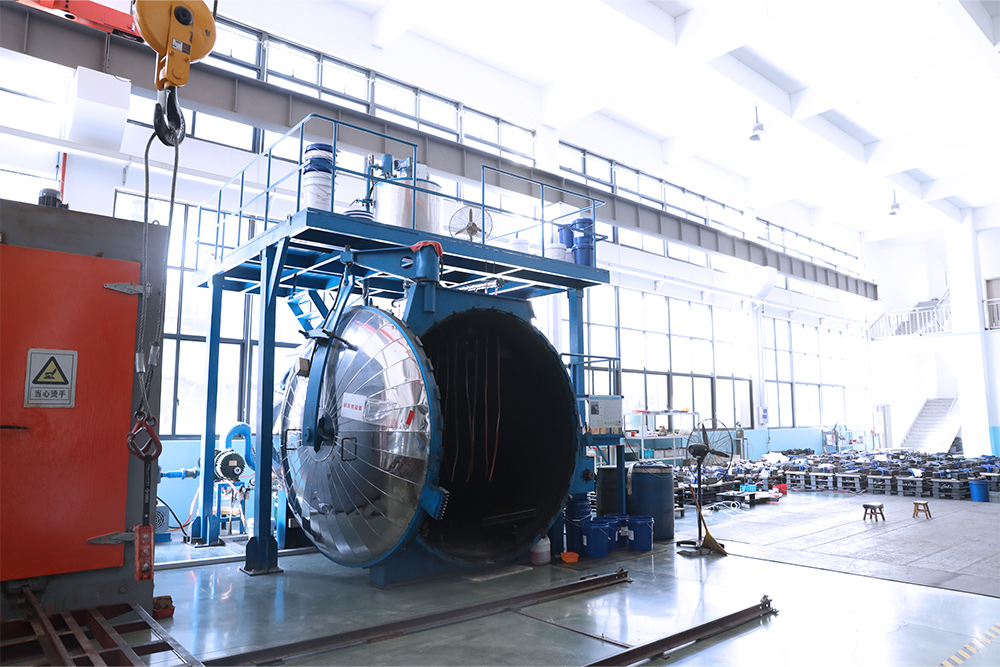
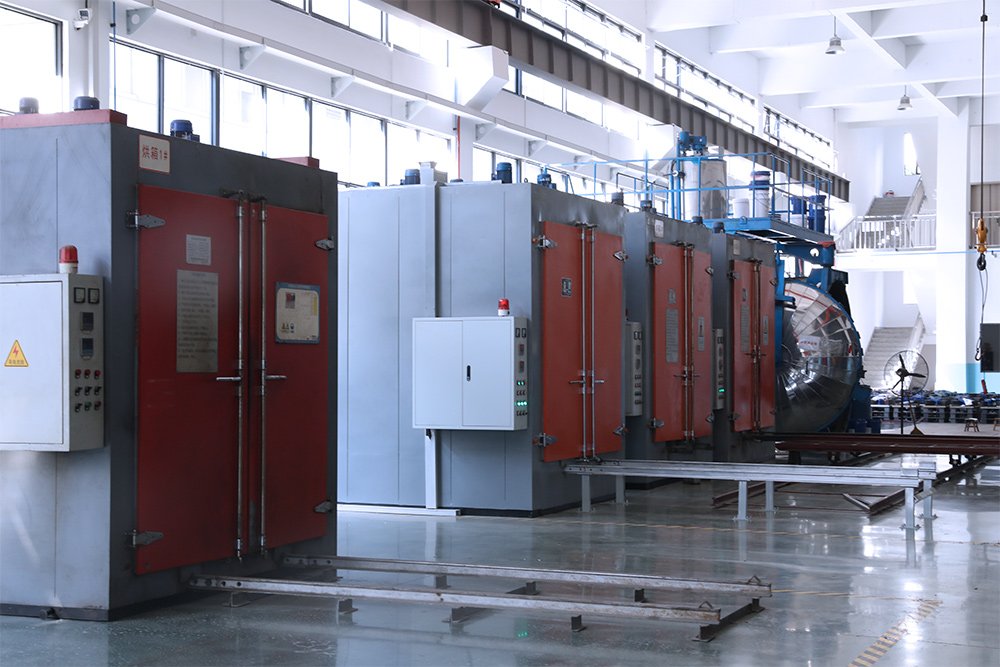
Partner with Yueqing Suian Electric — China's trusted state-owned electrical trading company — for compliant, high-performance dry-type transformers backed by unparalleled supply chain access and proven central enterprise experience.
Explore Our Full Product Range