Leave Your Message

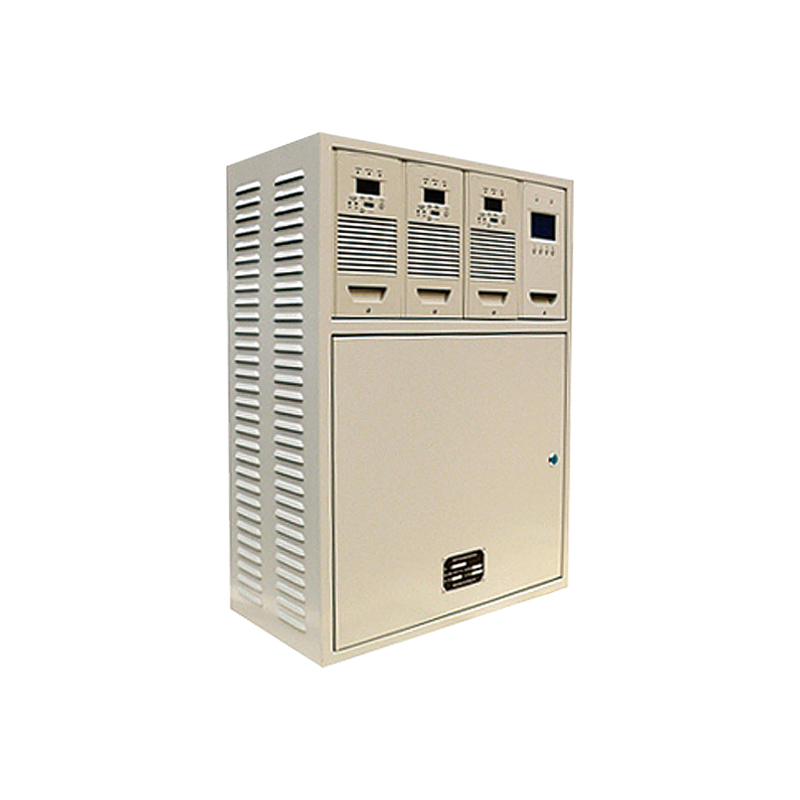
In the contemporary landscape of global power transmission and distribution, the role of a power transformer designed specifically for precise current and voltage monitoring has transitioned from a fundamental system safeguard to an absolute technological necessity. Modern utility grids and industrial facilities are operating under tighter tolerances, higher load dynamics, and unprecedented levels of harmonic complexity. As a result, standard instrument transformers must deliver exceptional accuracy classes to feed telemetry data to smart meters, protective relays, and supervisory control and data acquisition (SCADA) systems.
Precise monitoring ensures that grid operators can detect transient faults, prevent costly power outages, manage load balancing in real-time, and guarantee the billing accuracy of high-voltage interconnections. Without high-precision voltage and current sensing, the stability of automated substation networks would be compromised, leading to equipment failure, safety hazards, and significant economic losses.
The commercial market for monitoring-class transformers is experiencing robust growth, driven by the global transition toward smart grid architectures and the rapid integration of renewable energy sources. Globally, industries are investing in the retrofitting of legacy substations with advanced current and voltage sensing devices. The commercial necessity stems from the liberalization of energy markets where micro-transactions, peak-shaving, and demand-response programs demand real-time, highly accurate electrical metrics.
In heavy industrial environments, such as petrochemical plants, steel mills, and automated manufacturing facilities, monitoring transformers prevent catastrophic failures of critical machinery. By continuously tracking phase currents and voltage deviations, these specialized transformers allow predictive maintenance algorithms to identify insulation breakdown or winding faults before they manifest as destructive short circuits.
The primary technological driver in the current market is the digitalization of substations. Modern systems rely on the IEC 61850 protocol to establish communication between primary physical equipment and secondary digital control networks. This transition has led to the adoption of Low-Power Instrument Transformers (LPITs) and electronic transformers that output low-voltage analog or digital signals directly compatible with Intelligent Electronic Devices (IEDs), bypassing the need for heavy copper wiring and reducing signal degradation over distance.
Yueqing Suian Electric Co., Ltd. is a wholly state-owned trading company controlled by Yueqing Liushi Urban and Rural Construction Investment Co., Ltd., with a registered capital of 10 million yuan. It has been deeply involved in the field of electrical product trading. With its solid state-owned background, rich experience in serving central enterprises, and the leading electrical industry ecosystem and location empowerment in China, it is committed to pioneering a new pattern of global electrical trade with the responsibility of a state-owned enterprise, becoming a core partner of the electrical supply chain trusted by global customers, and providing high-standard and reliable electrical products and solutions for overseas markets.
Liushi Town, known as "Zhejiang's No. 1 Industrial Strong Town," achieved a total industrial output value of 106.76 billion yuan in 2024, exceeding 100 billion yuan for two consecutive years and firmly ranking first in Zhejiang Province among the top 1,000 towns in China in terms of comprehensive strength. As a wholly state-owned enterprise, the company, backed by the state-owned capital of the Liushi Town Government, naturally possesses core advantages such as strong financial strength, compliant operation, and strong risk resistance. The company has accumulated extensive cooperative experience in the domestic market, successfully serving numerous leading central enterprises, including China Construction Eighth Engineering Bureau, China Construction Science & Industry Group Co., Ltd., China Construction Second Engineering Bureau, and Sinopec. It has accumulated rich project experience in infrastructure engineering, energy and power, and other fields. Its products and services have passed the stringent standards of central enterprises and possess mature capabilities suitable for large-scale projects and complex scenarios.
Based in Liushi, Yueqing, known as the "Electrical Capital of China" and the "Export Base of Low-Voltage Electrical Appliances in China," the company focuses on core trade in the electrical field. Boasting unparalleled supply chain advantages, it mainly deals in over 200 series and 25,000 models of products, including transformers, high and low voltage electrical equipment, complete sets of electrical equipment, wires and cables, and new energy electrical products. Leveraging state-owned platform resources, the company ensures product quality and supply stability while achieving high cost-effectiveness through the scale effect of industrial clusters, providing diversified product choices for overseas customers. Deeply integrated into the "Belt and Road" initiative, the company excels in connecting with major overseas infrastructure and energy projects, and can provide supporting services for electrical products that meet international standards.
Adhering to the core principles of "integrity as the foundation, compliance as the basis, and win-win cooperation as the way," Yueqing Sui'an Electric Co., Ltd. builds a solid foundation for cooperation with the credibility of a state-owned enterprise, ensures product quality with the service experience of a central enterprise, empowers global competitiveness with the advantages of industrial clusters, and connects overseas markets with professional services. Leveraging the "Electrical+" strategy of Liushi Town and the benefits of six emerging industrial parks, the company collaborates with global partners to build an international trade network, empowering the development of the global electrical industry with the quality of a state-owned enterprise, and is committed to becoming a trustworthy international electrical trading partner.
High-precision voltage and current transformers are deployed across critical infrastructure sectors where measurement error could lead to cascading grid failures or severe equipment damage. Below is a detailed breakdown of these applications:
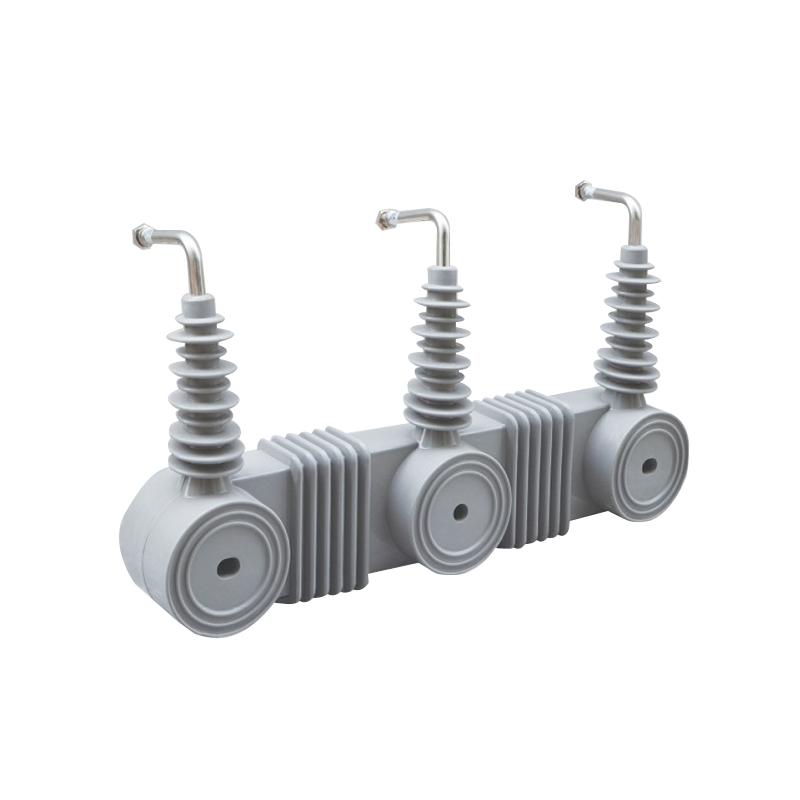
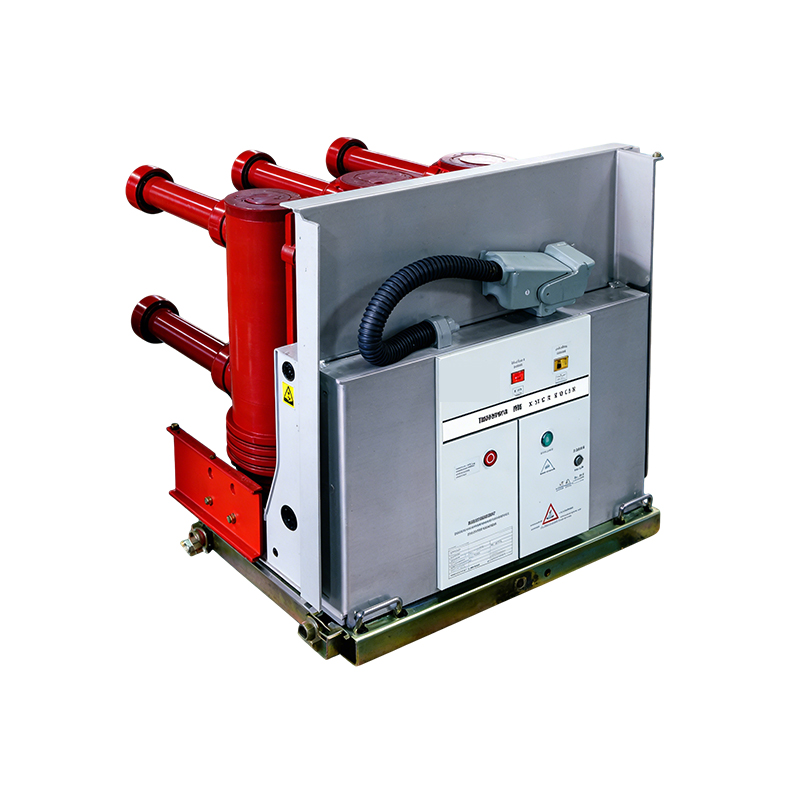
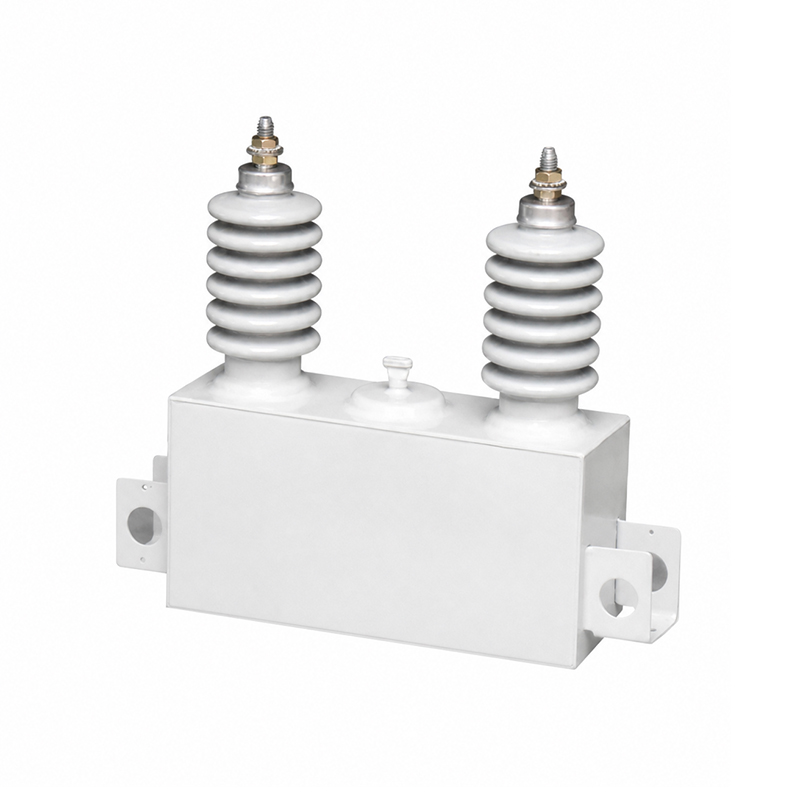
In modern urban distribution networks, Ring Network Cabinets (RMUs) are essential for maintaining space-saving, reliable power supply. The integration of high-precision indoor voltage transformers within these cabinets enables continuous line-voltage monitoring and zero-sequence voltage detection. Zero-sequence detection is crucial for identifying single-phase ground faults in non-solidly grounded systems, allowing rapid isolations that protect downstream equipment and prevent network-wide outages.
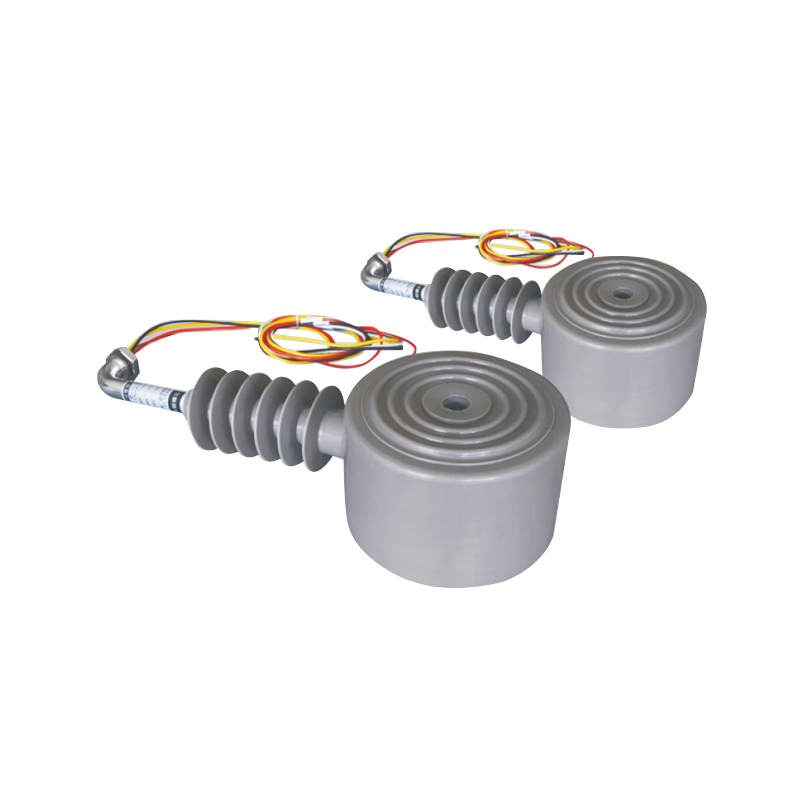
Renewable power generation is inherently volatile and rich in harmonics due to the heavy use of power electronic inverters. Standard transformers often fail to measure high-frequency harmonics accurately due to core saturation and phase shifts. Specialized current transformers, such as the LZW32-10, are designed with high-permeability magnetic cores that maintain linear response across a wide frequency spectrum. This allows precise monitoring of Total Harmonic Distortion (THD) and power factor, protecting the grid from harmonic pollution and ensuring grid code compliance.
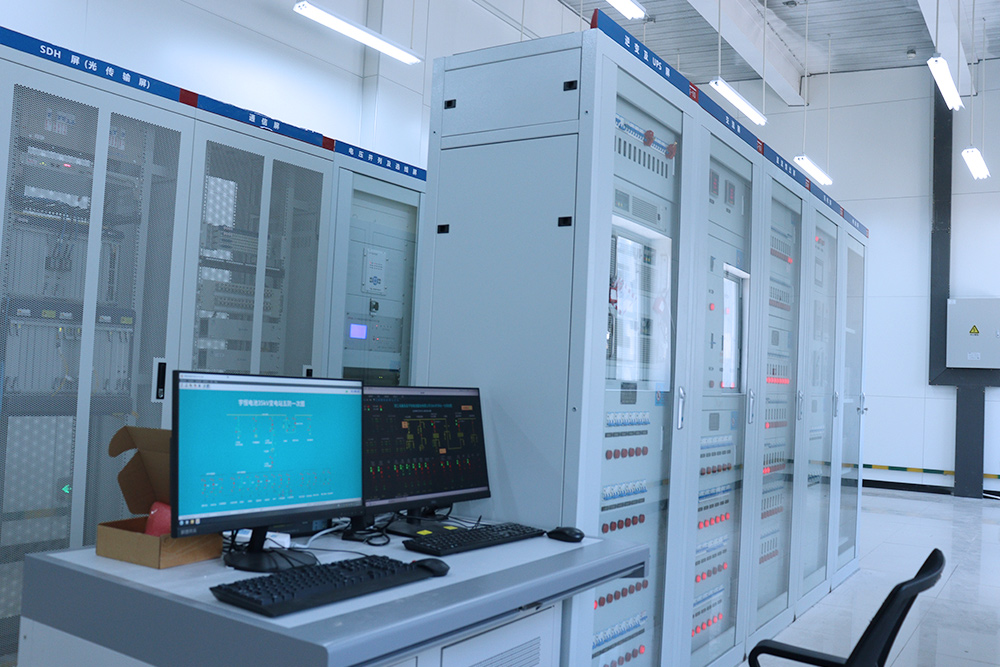
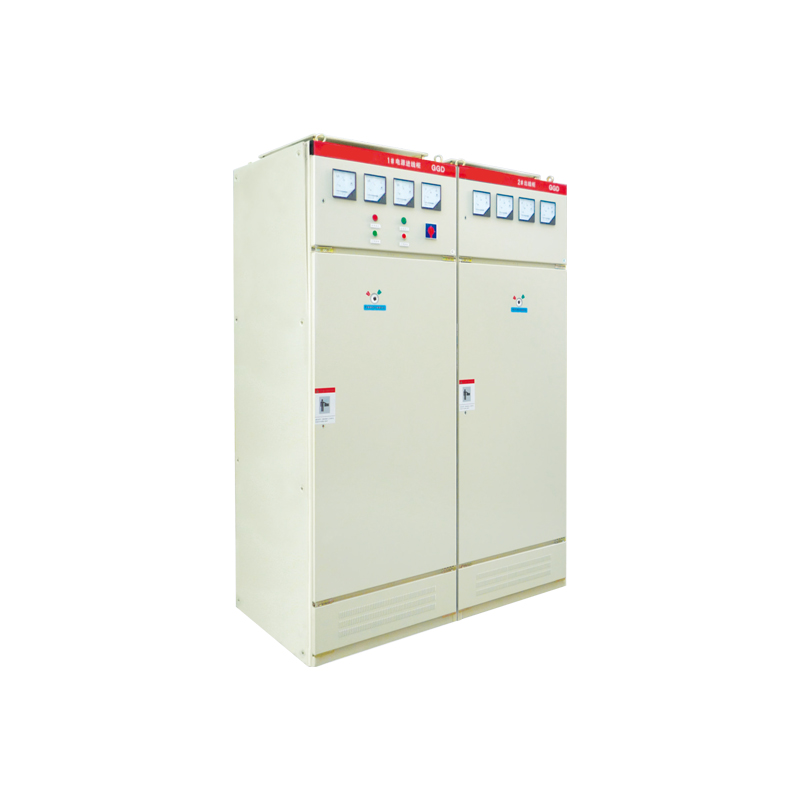
Industrial power systems utilize GGD AC low-voltage distribution cabinets to manage high-current loads. Precise monitoring of load currents in these cabinets is vital for balance and thermal management. Monitoring transformers feed data directly to energy management systems, enabling factories to optimize peak demand, schedule maintenance based on load histories, and protect sensitive motors and drives from voltage sags and swells.
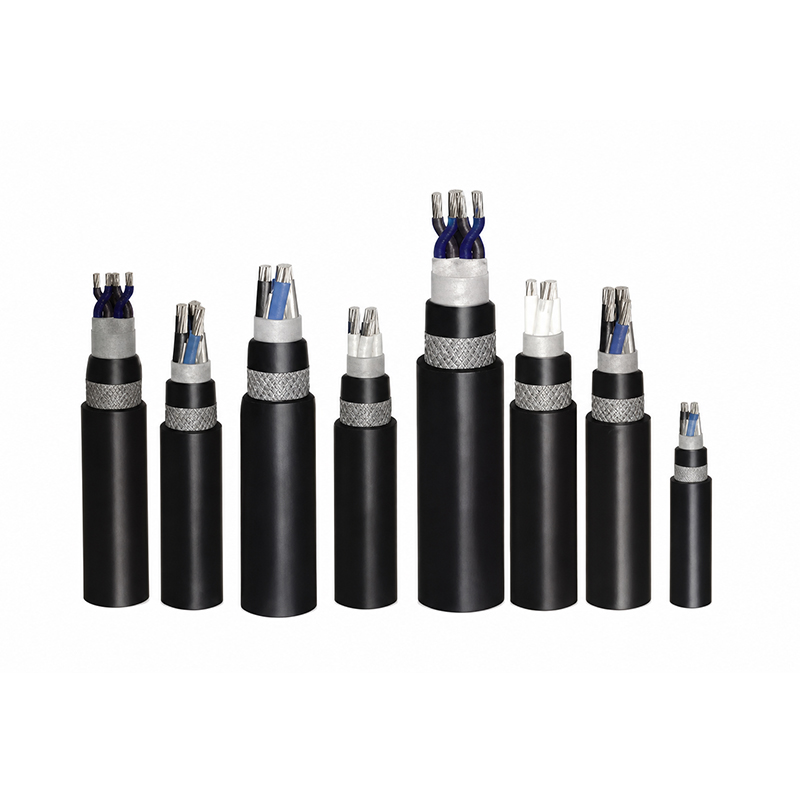
Maritime vessels operate as isolated microgrids with extremely demanding environments. Shipboard power cables (such as EPR insulated 0.6kV cables) must operate alongside highly responsive monitoring systems. Due to the limited capacity of ship generators, minor current imbalances or voltage fluctuations can disrupt navigation and propulsion systems. Monitoring transformers in these setups must be compact, vibration-resistant, and highly accurate under varying load conditions.





Backed by government capital support from Liushi Town People's Government, we possess robust financial strength, standardized compliant operations, and strong risk resistance capabilities that ensure business stability and reliability.

Extensive collaboration with industry-leading central state-owned enterprises including China Construction Eighth Engineering Division, China State Construction Engineering Corporation, and Sinopec, demonstrating our capability to meet the most stringent quality standards.
Direct access to over 25,000 product models across 200+ series through our strategic position in China's electrical industry hub, ensuring diverse product selection, competitive pricing, and reliable supply continuity.

Products and services meet international standards and certifications, making us ideally positioned for Belt and Road Initiative projects and overseas infrastructure development requiring reliable electrical solutions.
To achieve high accuracy in monitoring applications, several critical engineering parameters must be met during the design and manufacturing of current and voltage transformers:
By optimizing these parameters, Yueqing Suian Electric Co., Ltd. supplies transformers that deliver dependable performance under the most demanding utility and industrial conditions, ensuring that monitoring networks operate with absolute fidelity.