
Leave Your Message
High-precision diagnostic, measurement, and power control components engineered to withstand severe transient stresses in railway power networks.
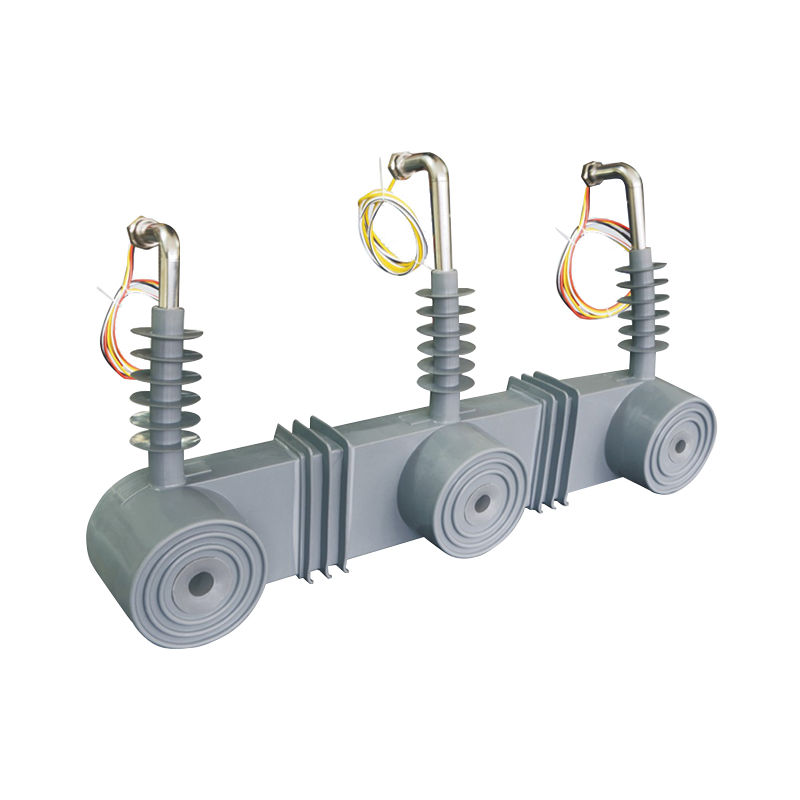

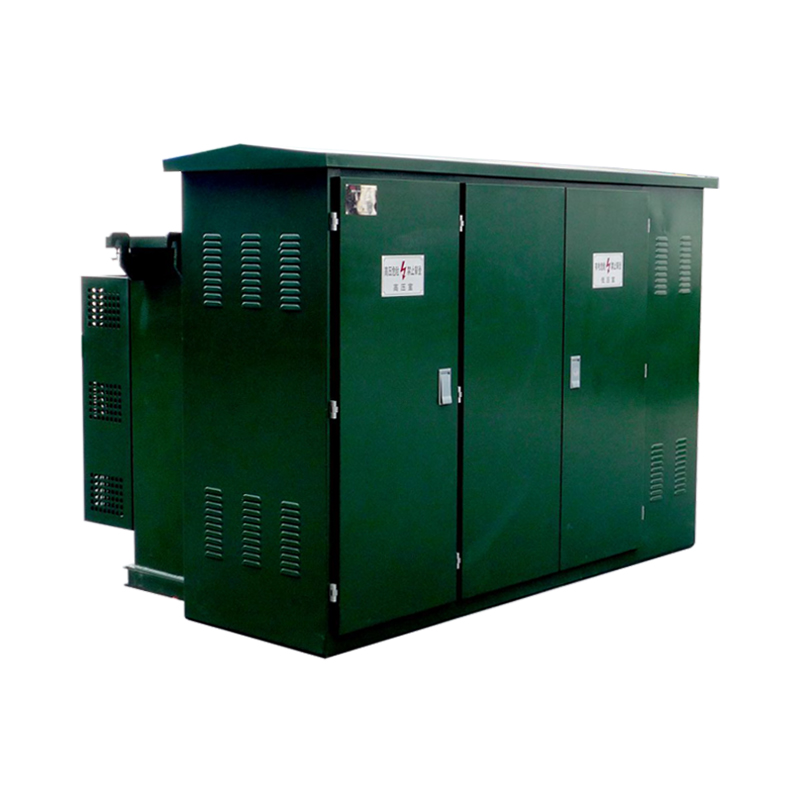
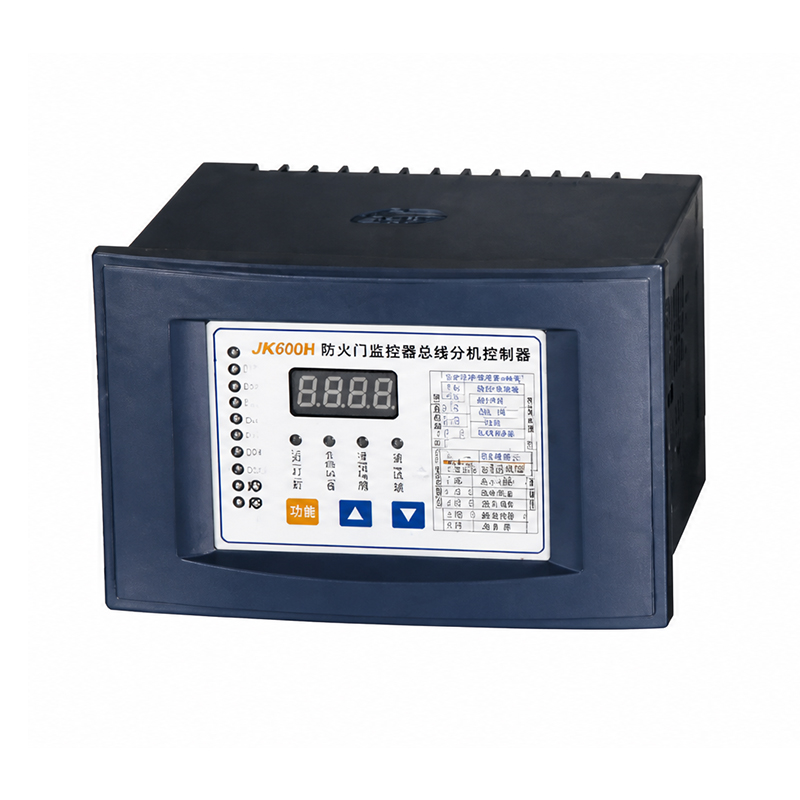
Modern railway transportation systems rely heavily on robust electrification infrastructure to ensure efficient, safe, and high-speed operations. At the heart of this infrastructure lies the power transformer for railway and traction power systems. These specialized transformers act as the critical links between high-voltage public utility grids and the unique power requirements of moving trains. Whether stepping down utility grid voltages for AC overhead catenaries or feeding heavy-duty rectifiers for DC metro lines, traction transformers must withstand extreme electrical, thermal, and mechanical stresses that would cause standard distribution transformers to fail prematurely.
Unlike standard industrial transformers, railway traction transformers must adapt to highly dynamic load profiles, frequent short circuits, and harmonic distortions generated by onboard locomotive power converters.
The global market for railway traction power transformers is experiencing a significant surge, driven by rapid urbanization, massive public investments in high-speed rail (HSR) networks, and a global push toward low-carbon transportation. Governments worldwide are prioritizing railway electrification as a vital strategy to reduce greenhouse gas emissions. As a result, the commercial landscape for power transformers in this sector has evolved from supplying basic, off-the-shelf equipment to delivering highly customized, digitally integrated engineering solutions.
Commercially, manufacturers are required to adhere to stringent international standards such as IEC 60076-3, EN 50163, and specific regional railway operator specifications (e.g., China Railway, Deutsche Bahn, or Amtrak). Production facilities must utilize advanced magnetic core materials, high-grade insulation systems, and robust mechanical structures to guarantee a service life exceeding 30 to 40 years under harsh environmental conditions.
As the rail industry transitions into the digital era, several key technological advancements are redefining how traction power systems are designed and operated:
Modern traction transformers are no longer isolated physical components. They are now equipped with comprehensive sensor arrays that monitor winding temperatures, dissolved gas analysis (DGA) in insulating oil, vibration patterns, and transient overvoltages in real-time. This data is fed directly into SCADA systems and cloud-based predictive maintenance platforms, allowing operators to detect insulation degradation and mechanical wear before a catastrophic failure occurs.
Environmental safety and fire prevention are critical concerns, especially in underground metro lines and densely populated urban rail corridors. Traditional mineral oil is increasingly being replaced by biodegradable synthetic or natural ester fluids. These ester-based liquids offer significantly higher fire points (above 300°C), self-extinguishing properties, and complete biodegradability, drastically reducing the risk of environmental contamination and catastrophic fire incidents in tunnels.
To support global sustainability initiatives, manufacturers are employing amorphous alloy cores and high-permeability, grain-oriented silicon steel. These advanced materials minimize no-load losses (core losses) and load losses (winding losses), ensuring optimal efficiency even when trains are not running frequently on the line, thereby lowering the total cost of ownership (TCO) for railway operators.
Traction power systems vary widely depending on the type of rail network, geographic constraints, and operational speeds. The application of power transformers is tailored to these specific scenarios:
Most modern high-speed rail networks utilize AC electrification systems, typically operating at 25 kV (50 Hz or 60 Hz). For high-speed lines with high power demands, the 2x25 kV autotransformer (AT) feeding system is widely implemented. In this setup, the traction substation features a three-phase to two-phase transformer (such as Scott, Le Blanc, or Woodbridge connections) that balances the load on the three-phase utility grid while feeding power to the catenary wire and a parallel feeder wire. This configuration minimizes voltage drops along the track, allowing for longer distances between substations and reducing overall infrastructure costs.
Urban mass transit systems, including subways, metros, and light rail transits (LRT), predominantly use DC electrification. In these applications, the power transformer is coupled with solid-state rectifiers (diode or thyristor-based) at traction substations. The transformer steps down the medium-voltage utility power (e.g., 11 kV to 33 kV) to the precise AC input required by the rectifier bridge. These rectifier transformers must be designed to withstand severe harmonic currents (typically 6-pulse, 12-pulse, or 24-pulse configurations) without excessive heating or insulation degradation.
Distributed along the railway line at regular intervals (typically every 8 to 15 kilometers), autotransformers play a crucial role in stabilizing the catenary voltage. By balancing the voltage between the contact wire, rail, and feeder line, autotransformers dramatically reduce electromagnetic interference (EMI) on nearby telecommunication lines and minimize power losses across the transmission path.
Designing a power transformer for traction systems requires solving complex engineering puzzles:
Suian Industrial Control has a rich product line, widely used in various fields such as power control, mechanical operation control, automation control, new energy, robots, and advanced railway systems.
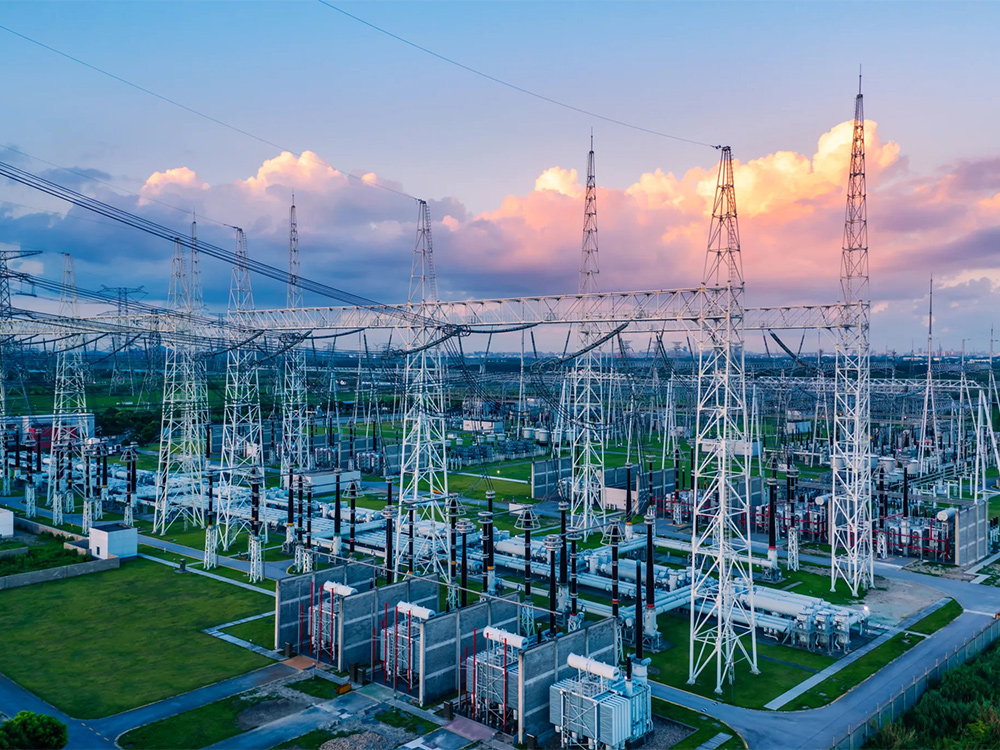
As the cornerstone of stable power grid operation, this industry encompasses all aspects of power generation, transmission, and distribution, placing extremely high demands on the reliability, safety, and long-term service performance of equipment.
Learn More
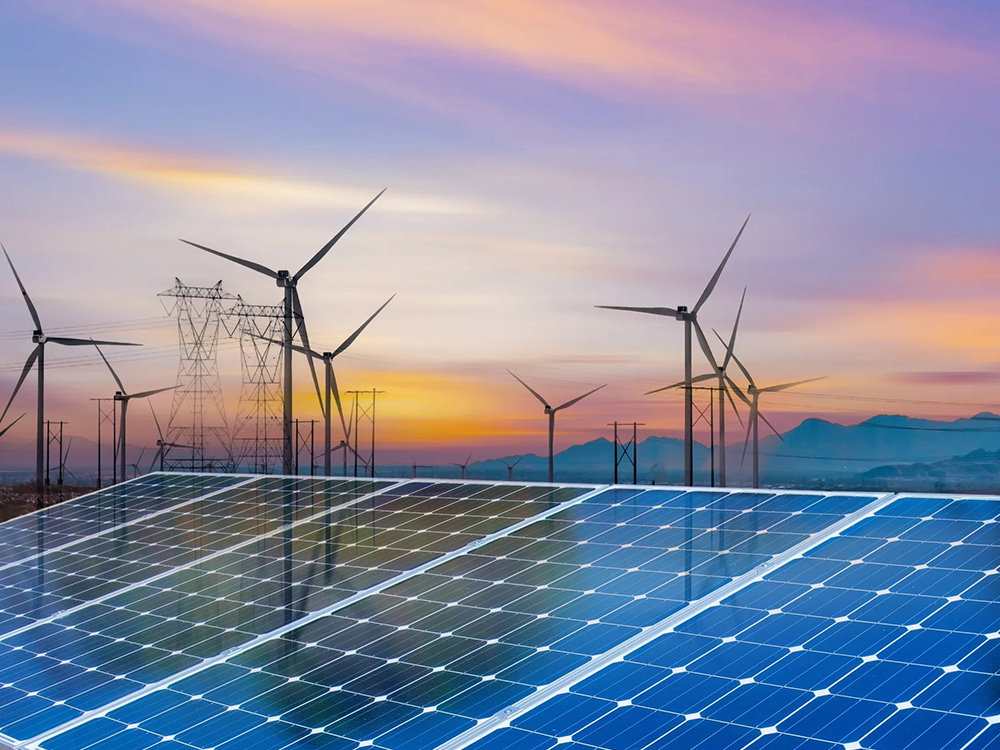
The rapid development of green energy sources such as photovoltaics and wind power has placed higher demands on the adaptability and intelligence of the electrical equipment used in their production.
Learn More
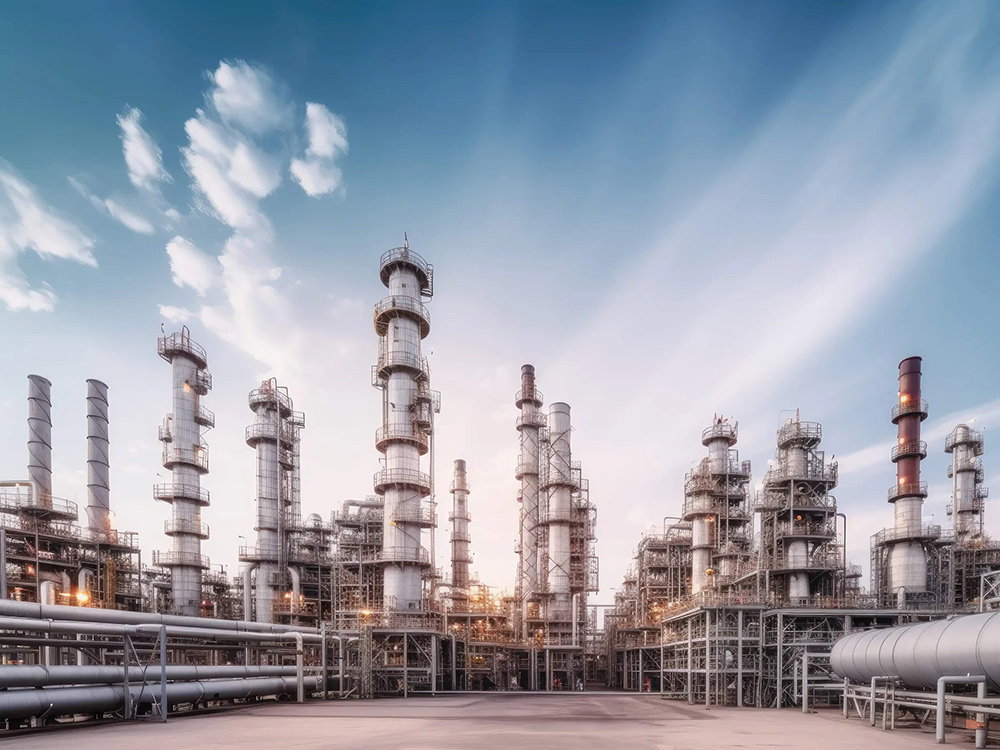
Modern factories rely on a continuous, safe, and high-quality power supply to ensure uninterrupted operation of production lines. Our products serve the power distribution systems and automation control loops.
Learn More

From large commercial complexes to smart city infrastructure, safe, efficient, and intelligent power distribution systems are the lifeblood of modern buildings.
Learn More
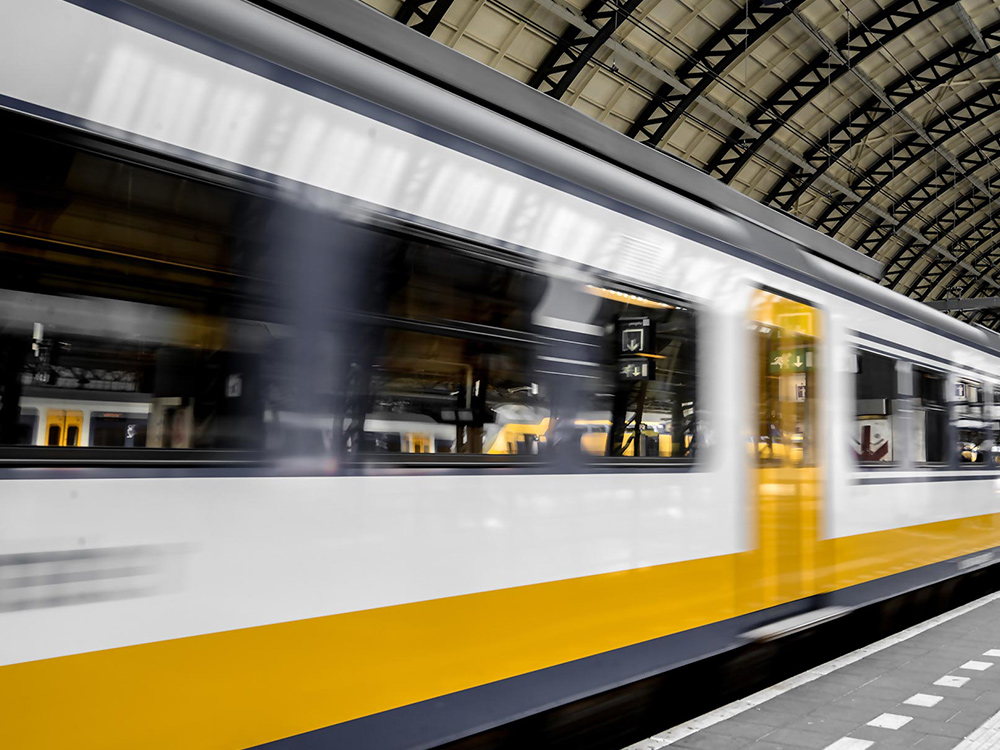
Major infrastructure projects such as railways, highways, ports, and water conservancy operate in complex environments, posing severe tests to the durability and reliability of power equipment.
Learn More
Explore our full range of high-performance current transformers, voltage transformers, and reactive power compensators for industrial grid and railway networks.