
Leave Your Message
Step up transformers play a critical role in modern railway and traction power systems, serving as the backbone of efficient power distribution across extensive rail networks. These specialized transformers are designed to increase voltage levels from power generation sources to transmission lines, enabling long-distance power delivery with minimal energy losses. In the context of railway electrification, step up transformers are essential for converting power from substations to the optimal voltage required for overhead catenary systems or third-rail power distribution.
The railway industry has witnessed remarkable transformation over the past decades, with electrification becoming the preferred choice for sustainable and efficient transportation. Step up transformers have evolved alongside this transformation, incorporating advanced materials, intelligent monitoring systems, and enhanced cooling technologies to meet the demanding requirements of high-speed rail, metro systems, and freight railways. Modern railway power systems typically operate at voltages ranging from 15kV to 27.5kV AC, or 750V to 3000V DC, depending on the specific application and regional standards.
Step up transformers in railway applications serve multiple critical functions: voltage elevation from generation sources, power factor correction, harmonic filtering, and load balancing across multiple traction substations. These transformers must handle dynamic load variations as trains accelerate, decelerate, and regenerate power back into the system, requiring exceptional transient response capabilities and robust construction to withstand mechanical stresses and environmental challenges.
The global railway electrification market has experienced substantial growth, driven by environmental concerns, energy efficiency mandates, and the expansion of urban transit systems. According to industry analysis, the railway transformer market is projected to reach significant valuations by 2030, with step up transformers representing a substantial portion of this growth. Major railway infrastructure projects in Asia-Pacific, particularly in China, India, and Southeast Asia, have created unprecedented demand for high-quality traction power equipment.
European nations continue to lead in railway electrification standards and innovation, with extensive high-speed rail networks requiring sophisticated power management solutions. North American markets are witnessing renewed interest in rail electrification, particularly for urban transit expansion and freight railway modernization. The Middle East and Africa are emerging markets, with new metro systems and intercity rail projects driving demand for reliable traction power infrastructure.
The railway transformer industry is experiencing a technological revolution, with digitalization and smart grid integration reshaping traditional designs. Modern step up transformers increasingly incorporate IoT sensors, predictive maintenance algorithms, and remote monitoring capabilities, enabling railway operators to optimize performance and prevent costly downtime. Advanced insulation materials, such as aramid paper and synthetic esters, are replacing conventional mineral oil, offering improved fire safety and environmental performance.
Solid-state transformer technology represents a significant breakthrough, offering unprecedented control over power flow, harmonic compensation, and voltage regulation. While still in early adoption phases for railway applications, these devices promise to revolutionize traction power systems by enabling bidirectional power flow, enhanced grid stability, and seamless integration with renewable energy sources. Silicon carbide (SiC) and gallium nitride (GaN) semiconductors are enabling more compact and efficient power conversion systems.
Environmental regulations and corporate sustainability commitments are driving demand for ultra-efficient transformers with losses below 0.3%. Manufacturers are developing eco-friendly cooling systems using biodegradable fluids and natural ester oils, reducing environmental impact while maintaining thermal performance. Regenerative braking systems in modern trains can return up to 30% of consumed energy back to the grid, requiring transformers capable of bidirectional power flow and sophisticated energy management.
Traction Substation Applications: Step up transformers in traction substations typically receive power at medium voltage (11kV-33kV) from utility grids and step it up or down to the required traction voltage. These installations must handle peak loads during rush hours, accommodate multiple train movements simultaneously, and maintain voltage stability across varying load conditions. Transformer capacity typically ranges from 5MVA to 40MVA per unit, with redundant configurations ensuring continuous operation even during maintenance or failure scenarios.
Overhead Catenary Systems: For AC electrified railways, step up transformers feed overhead contact lines at 15kV or 25kV, requiring precise voltage regulation to compensate for line losses over distances of 40-60 kilometers between substations. These transformers must withstand voltage fluctuations caused by pantograph arcing, lightning strikes, and switching transients, necessitating robust surge protection and advanced insulation coordination.
DC Traction Systems: Metro systems and older railway networks often utilize DC power distribution (600V-3000V), requiring step up transformers to work in conjunction with rectifier systems. These applications demand transformers with low impedance characteristics to minimize voltage drop and support high instantaneous currents during train acceleration. Harmonic filtering is critical to prevent interference with signaling and communication systems.
Auxiliary Power Systems: Beyond traction power, step up transformers supply auxiliary systems including station lighting, ventilation, escalators, and signaling equipment. These applications require multiple voltage levels (230V, 400V, 690V) from a common primary source, often implemented through multi-winding transformer designs with precise voltage regulation and load isolation.
Railway transformers operate in uniquely challenging environments, facing extreme temperature variations, humidity, pollution, and mechanical vibrations from passing trains. Coastal installations must resist salt spray corrosion, while mountainous regions present altitude-related insulation challenges. Modern designs incorporate IP54 or higher enclosure ratings, corrosion-resistant materials, and seismic reinforcement for earthquake-prone regions.
Load variability presents another significant challenge, with power demand fluctuating dramatically as trains accelerate and decelerate. Advanced transformer designs employ dynamic cooling systems that adjust fan speeds and cooling fluid circulation based on real-time load conditions, optimizing energy consumption while ensuring adequate thermal management. Predictive maintenance systems analyze vibration patterns, partial discharge activity, and dissolved gas analysis to detect incipient failures before they cause service interruptions.
The railway electrification industry is poised for transformative changes over the next decade. Hydrogen fuel cell trains and battery-electric multiple units are emerging as alternatives to overhead electrification in low-density routes, though step up transformers will remain essential for charging infrastructure and hybrid systems. The integration of renewable energy sources directly into traction substations is gaining momentum, with solar and wind installations requiring sophisticated power conditioning and energy storage systems working in conjunction with traditional transformers.
Artificial intelligence and machine learning are revolutionizing transformer operation and maintenance. Predictive algorithms can now forecast load patterns based on train schedules, weather conditions, and historical data, enabling proactive voltage regulation and optimal power distribution. Digital twins—virtual replicas of physical transformers—allow engineers to simulate various operating scenarios, optimize designs, and train maintenance personnel without risking actual equipment.
Standardization efforts across international railway organizations are promoting interoperability and reducing costs. The development of universal traction power standards would enable seamless cross-border railway operations and facilitate equipment procurement from global suppliers. However, legacy systems and regional preferences continue to present challenges, requiring transformer manufacturers to offer flexible, adaptable solutions.
Global investment in railway electrification infrastructure is expected to exceed $200 billion through 2030, with significant portions allocated to traction power systems. Governments worldwide are prioritizing rail electrification as part of decarbonization strategies, offering subsidies and incentives for modernization projects. Public-private partnerships are increasingly common, bringing together railway operators, equipment manufacturers, and financial institutions to deliver large-scale infrastructure improvements with shared risk and expertise.
Railway transformers must comply with stringent international standards including IEC 60076 (Power Transformers), EN 50329 (Railway Applications - Fixed Installations), and various regional specifications. Type testing includes temperature rise tests, impulse voltage tests, short-circuit withstand tests, and acoustic noise measurements. Manufacturers must demonstrate compliance through independent laboratory certification and ongoing quality assurance programs.
Cybersecurity has emerged as a critical concern for digitally-enabled transformers, with industry standards now requiring robust protection against unauthorized access and malicious attacks. Secure communication protocols, encrypted data transmission, and regular security audits are becoming mandatory requirements for railway infrastructure projects, particularly in critical national transportation networks.
Electric energy
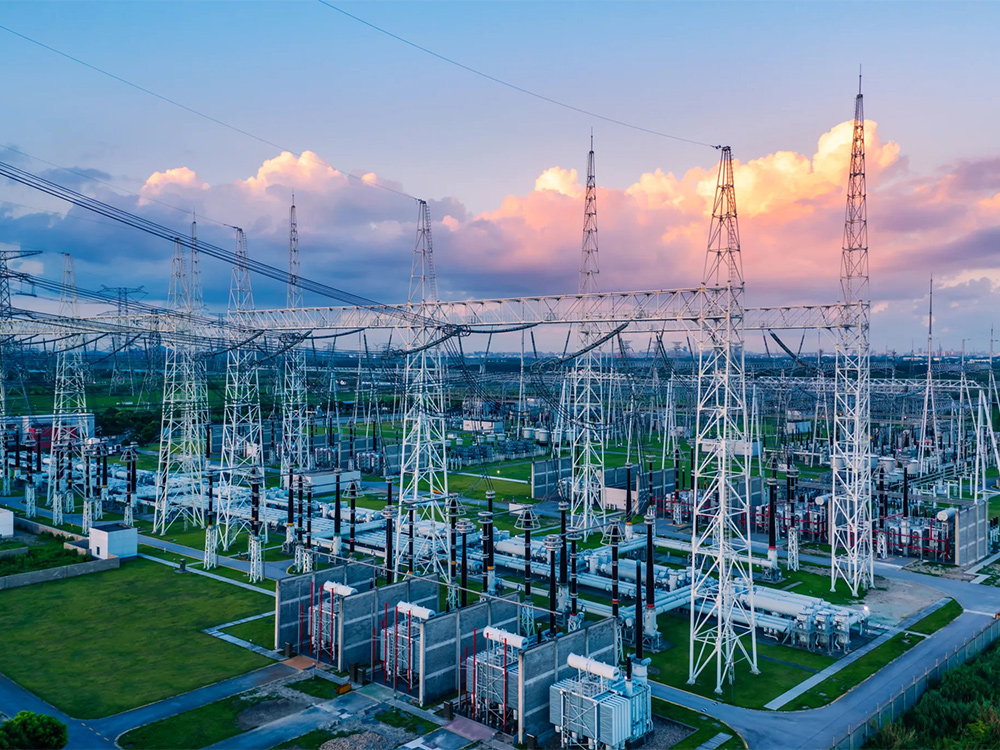
As the cornerstone of stable power grid operation, this industry encompasses all aspects of power generation, transmission, and distribution, placing extremely high demands on the reliability, safety, and long-term service performance of equipment. We provide core equipment for traditional thermal, hydroelectric, and nuclear power plants, substations at all levels, and power transmission and distribution networks.

New energy power generation
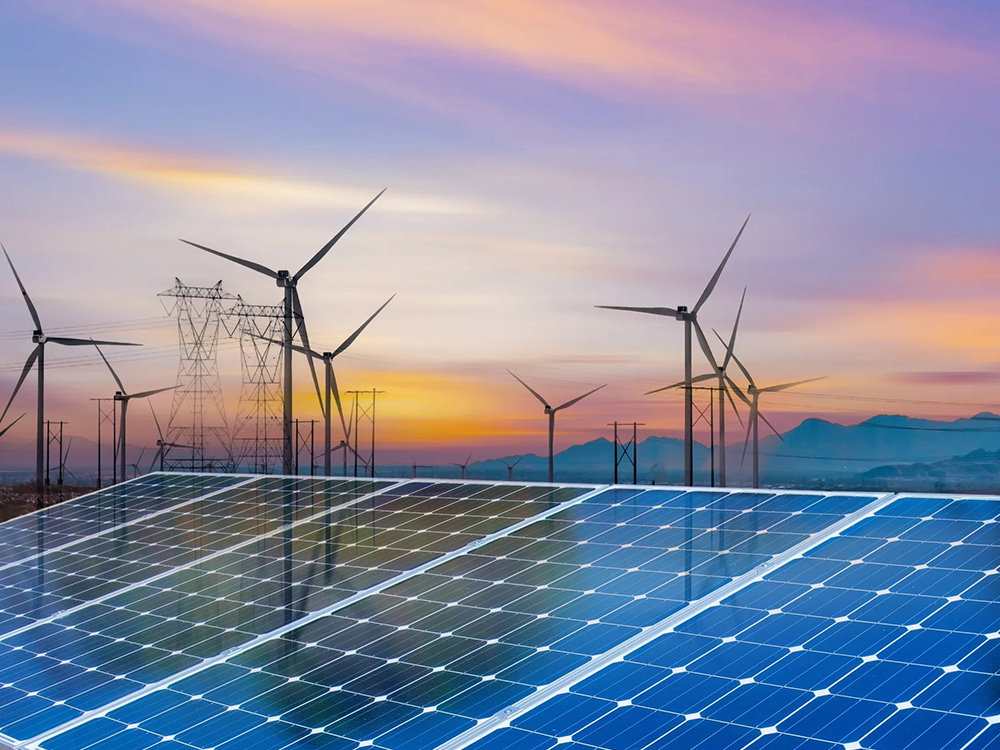
The rapid development of green energy sources such as photovoltaics and wind power has placed higher demands on the adaptability and intelligence of the electrical equipment used in their production. We focus on the specific needs of new energy power generation scenarios, providing a full range of electrical solutions from generation to grid connection.
Industrial manufacturing and automation
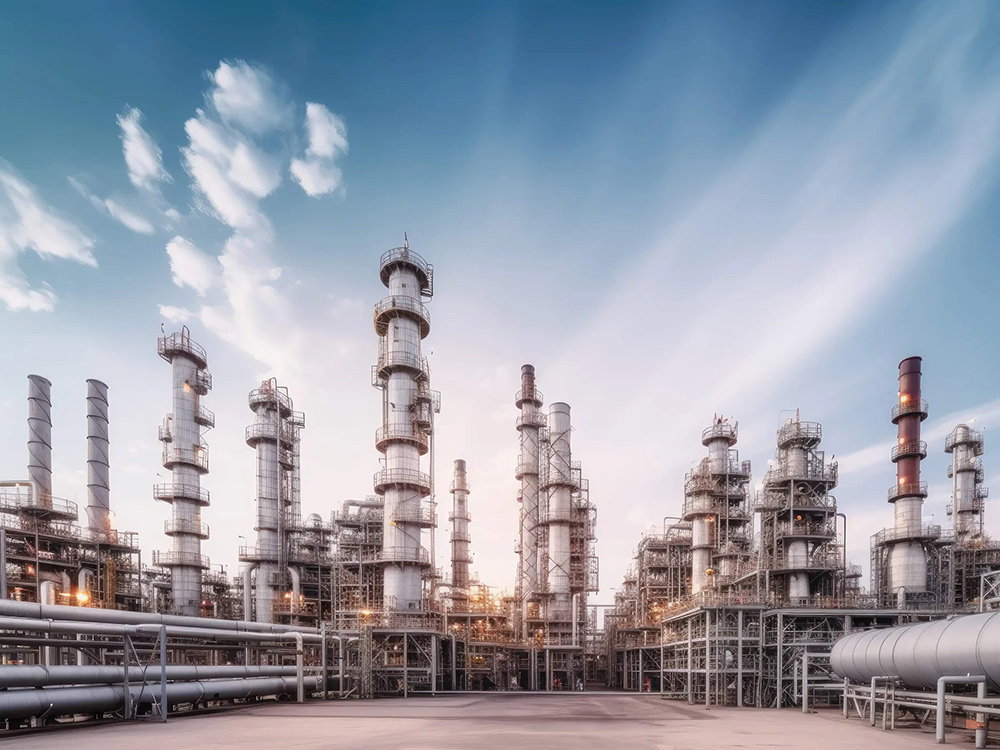
Modern factories rely on a continuous, safe, and high-quality power supply to ensure uninterrupted operation of production lines. Our products serve the power distribution systems and automation control loops of various manufacturing plants, acting as the "heart" and "nerves" of industrial power.

Building and Municipal Engineering
From large commercial complexes to smart city infrastructure, safe, efficient, and intelligent power distribution systems are the lifeblood of modern buildings. We provide a complete range of electrical products for various buildings and municipal projects, from main power distribution to end-point lighting.
Infrastructure construction
Major infrastructure projects such as railways, highways, ports, and water conservancy are large-scale and operate in complex environments, posing a severe test to the durability and reliability of power equipment. We provide full-cycle product support for infrastructure projects, from temporary power supply during the construction phase to permanent power distribution during the operation phase.