
Leave Your Message
Modern medical facilities are highly sophisticated environments where human lives depend directly on the continuous, safe, and stable operation of electronic medical equipment. Operating rooms, Intensive Care Units (ICUs), MRI suites, and cardiac catheterization laboratories utilize highly sensitive instruments that must be shielded from power disturbances. Substation equipment designed for the safe isolation of medical equipment plays a foundational role in this environment. It acts as the primary defense mechanism against electrical faults, voltage surges, and harmonics that could propagate from the main utility grid into medical treatment zones.
In hospital power distribution, "safe isolation" is not merely about preventing total power loss; it is about protecting patients from micro-shocks. In Group 2 medical locations, where medical devices are in direct contact with a patient's heart or internal organs, even a minute leakage current (as low as 10 microamperes) can be fatal. Consequently, specialized substation configurations—incorporating medical-grade isolation transformers, high-voltage/low-voltage prefabricated substations, and vacuum load switches—are mandated to decouple the diagnostic equipment from the ground systems of the main facility grid.
Unlike typical industrial and commercial buildings that use TN or TT grounding networks, critical medical areas require an ungrounded IT system. Substation equipment provides the isolated neutral-to-earth path, ensuring that a single phase-to-ground fault will not trigger circuit breakers or interrupt life-support systems.
Globally, the healthcare infrastructure market is witnessing rapid digital transformation. The integration of artificial intelligence, high-field imaging equipment, and real-time patient monitoring systems requires an unprecedented level of power quality. This technological evolution has shifted the procurement landscape for substation equipment. Engineering, Procurement, and Construction (EPC) companies involved in hospital construction are prioritizing modular, factory-integrated prefabricated substations. These systems minimize on-site installation errors, accelerate commissioning times, and guarantee that all internal routing meets stringent medical electrical standards (such as IEC 60364-7-710 and NFPA 99).
From a commercial perspective, power quality events cost the healthcare sector billions annually in damaged diagnostic equipment and cancelled clinical procedures. A voltage sag or harmonic distortion from a standard substation transformer can cause an MRI machine to quench or corrupt critical diagnostic data. Therefore, hospital administrators are investing in dedicated substation equipment equipped with advanced vacuum switchgear, active harmonic filters, and isolated power panels to isolate imaging suites and critical labs from the rest of the facility's electrical load.
Yueqing Suian Electric Co., Ltd. is a wholly state-owned trading company controlled by Yueqing Liushi Urban and Rural Construction Investment Co., Ltd., with a registered capital of 10 million yuan. It has been deeply involved in the field of electrical product trading. With its solid state-owned background, rich experience in serving central enterprises, and the leading electrical industry ecosystem and location empowerment in China, it is committed to pioneering a new pattern of global electrical trade with the responsibility of a state-owned enterprise, becoming a core partner of the electrical supply chain trusted by global customers, and providing high-standard and reliable electrical products and solutions for overseas markets.
Liushi Town, known as "Zhejiang's No. 1 Industrial Strong Town," achieved a total industrial output value of 106.76 billion yuan in 2024, exceeding 100 billion yuan for two consecutive years and firmly ranking first in Zhejiang Province among the top 1,000 towns in China in terms of comprehensive strength. As a wholly state-owned enterprise, the company, backed by the state-owned capital of the Liushi Town Government, naturally possesses core advantages such as strong financial strength, compliant operation, and strong risk resistance. The company has accumulated extensive cooperative experience in the domestic market, successfully serving numerous leading central enterprises, including China Construction Eighth Engineering Bureau, China Construction Science & Industry Group Co., Ltd., China Construction Second Engineering Bureau, and Sinopec. It has accumulated rich project experience in infrastructure engineering, energy and power, and other fields. Its products and services have passed the stringent standards of central enterprises and possess mature capabilities suitable for large-scale projects and complex scenarios.
Based in Liushi, Yueqing, known as the "Electrical Capital of China" and the "Export Base of Low-Voltage Electrical Appliances in China," the company focuses on core trade in the electrical field. Boasting unparalleled supply chain advantages, it mainly deals in over 200 series and 25,000 models of products, including transformers, high and low voltage electrical equipment, complete sets of electrical equipment, wires and cables, and new energy electrical products. Leveraging state-owned platform resources, the company ensures product quality and supply stability while achieving high cost-effectiveness through the scale effect of industrial clusters, providing diversified product choices for overseas customers. Deeply integrated into the "Belt and Road" initiative, the company excels in connecting with major overseas infrastructure and energy projects, and can provide supporting services for electrical products that meet international standards.
Adhering to the core principles of "integrity as the foundation, compliance as the basis, and win-win cooperation as the way," Yueqing Sui'an Electric Co., Ltd. builds a solid foundation for cooperation with the credibility of a state-owned enterprise, ensures product quality with the service experience of a central enterprise, empowers global competitiveness with the advantages of industrial clusters, and connects overseas markets with professional services. Leveraging the "Electrical+" strategy of Liushi Town and the benefits of six emerging industrial parks, the company collaborates with global partners to build an international trade network, empowering the development of the global electrical industry with the quality of a state-owned enterprise, and is committed to becoming a trustworthy international electrical trading partner.
Backed by state-owned assets and Liushi's world-class electrical manufacturing ecosystem, we deliver certified, highly reliable power distribution units optimized for critical healthcare isolation applications.
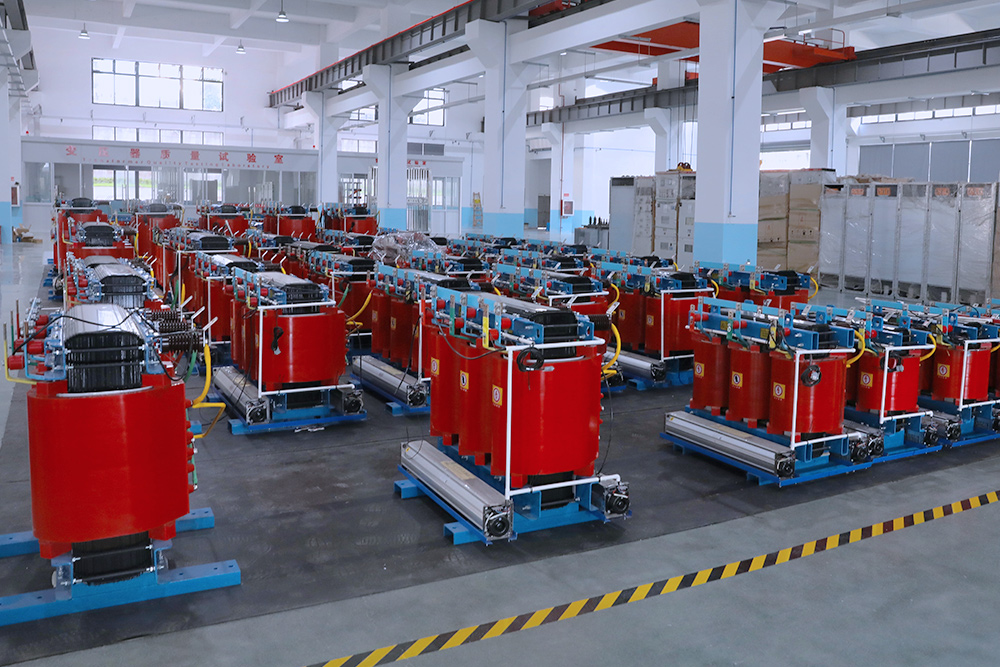
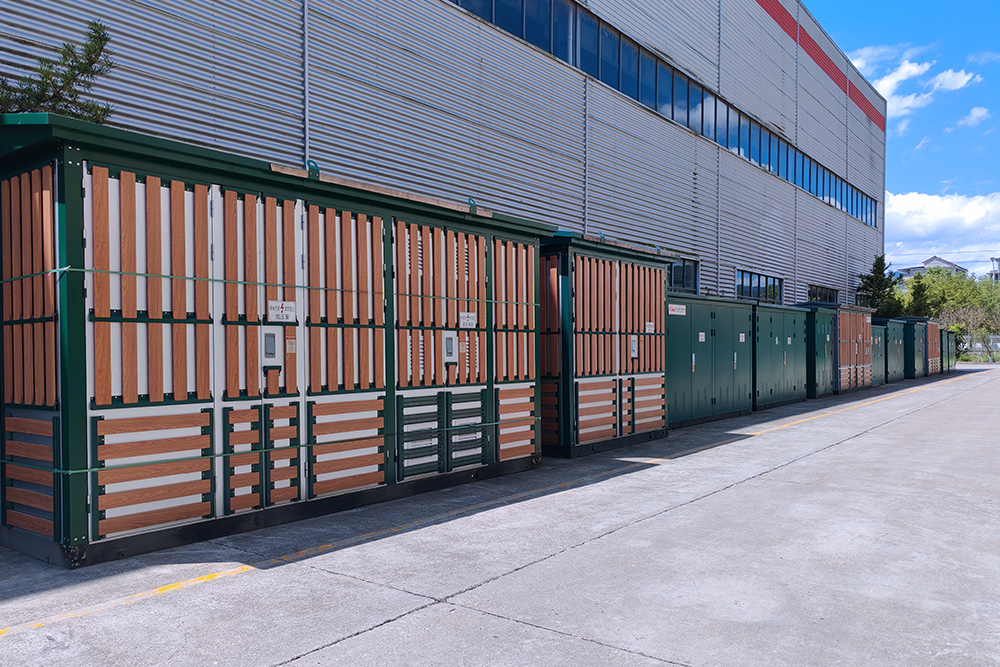
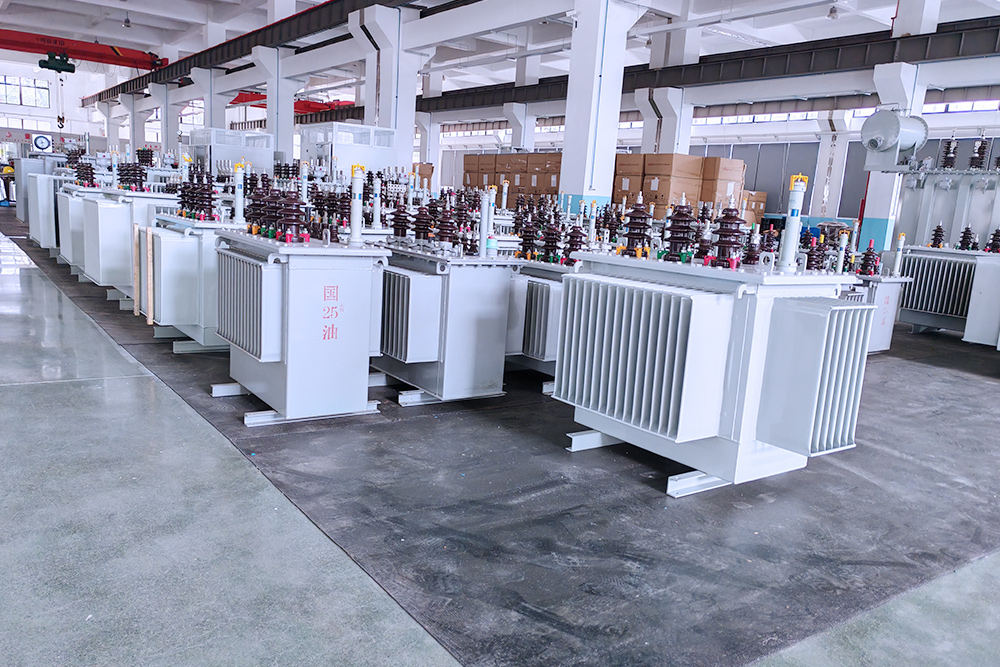
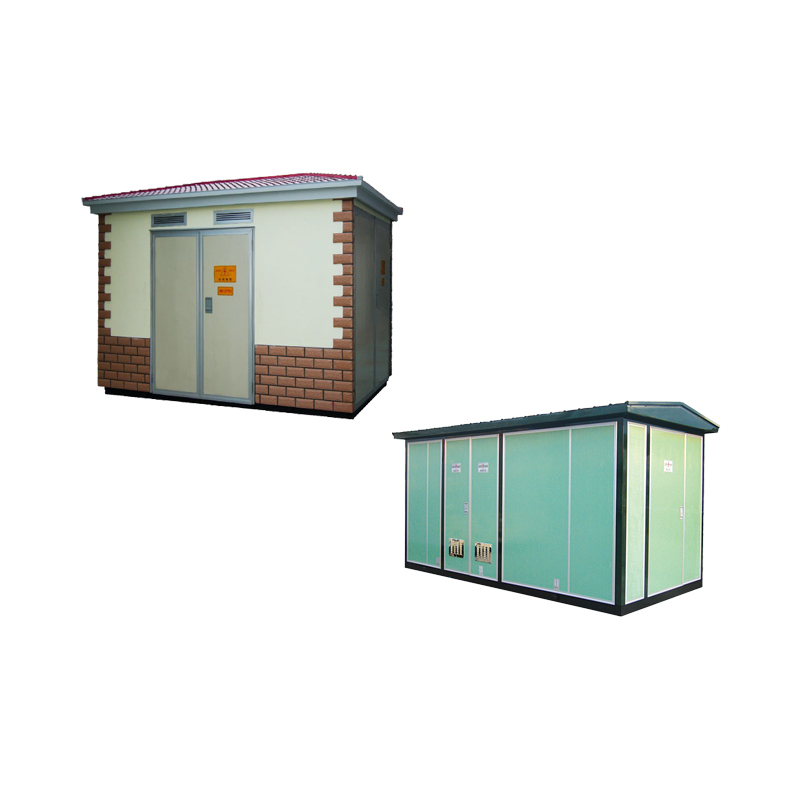
The implementation of medical-grade power isolation starts at the primary substation. The YB□ High Voltage/Low Voltage Prefabricated Substation acts as the central node of the facility's power architecture. These prefabricated solutions are highly engineered systems housing high-voltage switchgear, efficient distribution transformers, and low-voltage distribution panels in a single, thermally controlled, and seismically certified enclosure. When configured for hospitals, these substations integrate specialized double-shielded isolation transformers. The electrostatic shield between the primary and secondary windings diverts high-frequency noise and transients directly to the ground, preventing them from crossing into the medical equipment circuits.
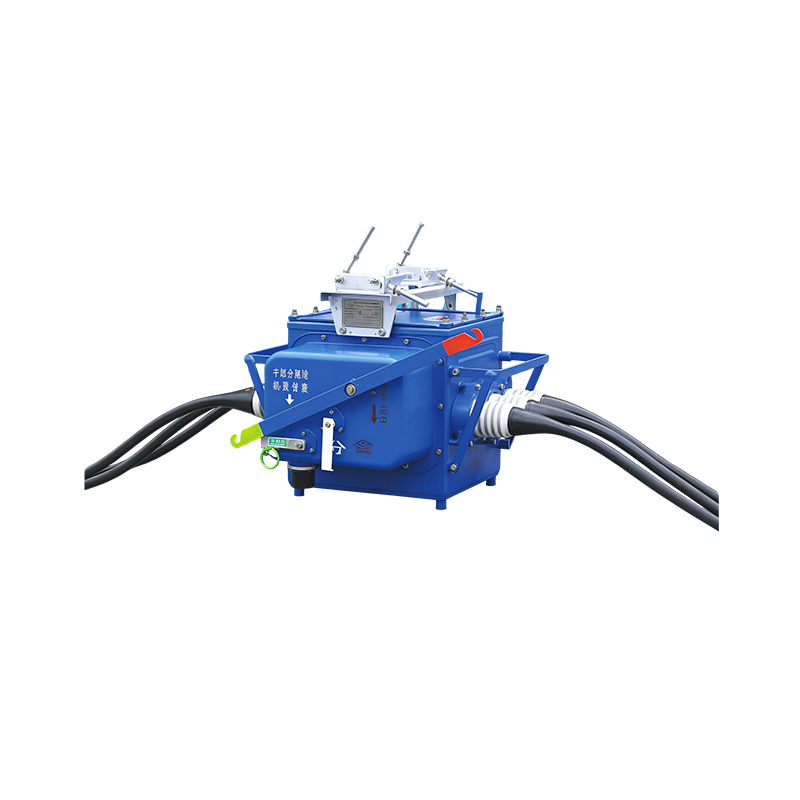
Further down the distribution line, medium-voltage protection is managed by equipment such as the FZW28Z-12 Outdoor Vacuum Load Switch. In a 10kV utility distribution network feeding a medical campus, this switch plays a vital role. Using vacuum interrupters, it provides rapid load breaking and fault isolation without the use of oil or SF6 gas, which pose environmental and safety hazards in healthcare environments. In the event of a localized grid fault, the vacuum load switch enables rapid automatic switching to backup feeds or emergency generator buses, minimizing the duration of voltage dips that could trigger safety shutdowns in ventilators or imaging software.
To understand the depth of application for safe isolation substation equipment, we must analyze distinct areas within a modern hospital complex:
The next generation of medical substation equipment is incorporating Internet of Things (IoT) sensors and edge computing. Smart substations utilize temperature, moisture, and vibration sensors on transformers and switchgear to predict failures before they occur. In a hospital environment, predictive maintenance is critical: replacing a worn contact in a vacuum load switch during scheduled downtime is far safer than managing an unscheduled outage during peak surgical hours. Furthermore, as medical campuses integrate rooftop solar arrays and battery energy storage systems (BESS), prefabricated substations are evolving into microgrid controllers, dynamically balancing utility power, renewable energy, and emergency backup storage to guarantee 100% uptime for life-critical equipment.