
Leave Your Message
Specialized Transformer Solutions for Enhanced Safety
In today's rapidly evolving electrical infrastructure landscape, the demand for safe, reliable, and environmentally responsible power distribution solutions has never been more critical. Substation transformers designed for fire-sensitive indoor dry-type installations represent a significant technological advancement in electrical engineering, addressing the paramount concerns of fire safety, environmental protection, and operational reliability in confined indoor spaces where traditional oil-filled transformers pose unacceptable risks.
Fire-sensitive indoor environments—including hospitals, data centers, commercial high-rises, educational institutions, transportation hubs, and industrial facilities—require electrical equipment that minimizes fire hazards while maintaining exceptional performance standards. Dry-type transformers have emerged as the preferred solution for these applications, offering inherent fire resistance, reduced environmental impact, and simplified installation requirements compared to their liquid-filled counterparts.
The global market for dry-type transformers has experienced substantial growth, with projections indicating a compound annual growth rate (CAGR) of approximately 6-8% through 2030. This expansion is driven by increasingly stringent building codes, heightened awareness of fire safety protocols, urbanization trends necessitating indoor installations, and the proliferation of critical infrastructure requiring uninterrupted power supply with minimal risk profiles.
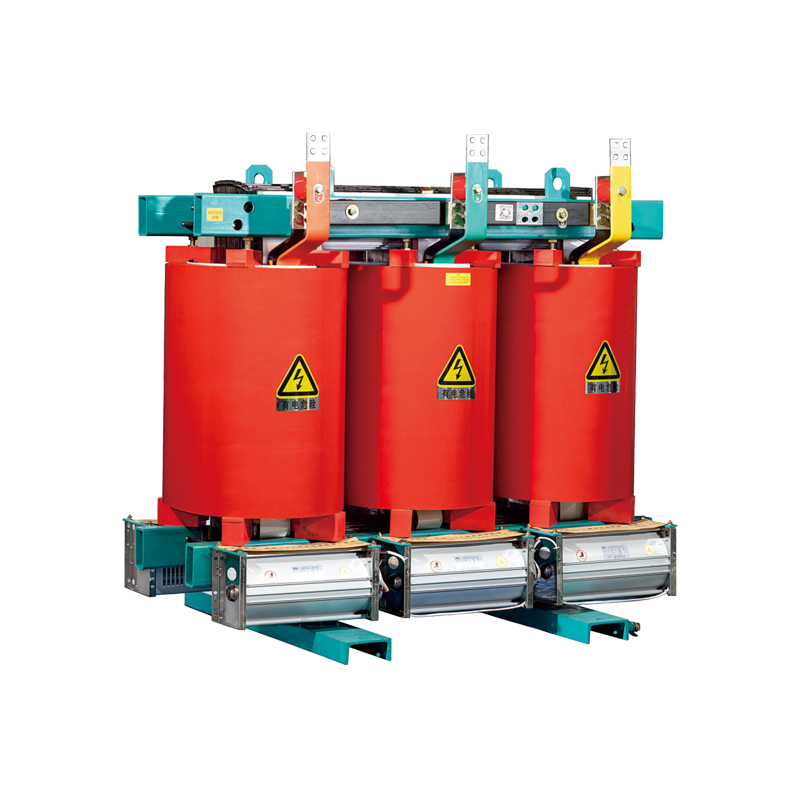
Dry-type transformers utilize solid insulation systems rather than liquid dielectrics, fundamentally altering their fire risk profile. The insulation materials—typically consisting of epoxy resin, Nomex paper, or other high-temperature polymer composites—are inherently non-flammable or self-extinguishing, providing multiple layers of fire protection. Modern designs incorporate Class F (155°C) or Class H (180°C) insulation systems, with many units capable of operating at even higher temperature classifications.
The construction methodology involves encapsulating windings in vacuum-pressure impregnated (VPI) resin or using cast coil technology, which creates a monolithic insulation structure resistant to moisture, contaminants, and thermal degradation. This encapsulation process not only enhances fire resistance but also improves mechanical strength, reduces partial discharge activity, and extends operational lifespan—critical factors for installations in fire-sensitive environments where maintenance access may be restricted.
Dry-type transformers for fire-sensitive installations offer zero flammable liquid content, self-extinguishing insulation materials, reduced smoke generation during thermal events, elimination of environmental contamination risks, and compliance with the most stringent fire safety codes including NFPA 70 (National Electrical Code) and IEC 60076 standards.
Effective thermal management is paramount in fire-sensitive indoor installations where ambient conditions may be controlled and space constraints limit natural ventilation. Dry-type transformers employ various cooling strategies including natural air (AN) cooling for smaller units, forced air (AF) cooling with integrated fan systems for higher capacity installations, and advanced designs incorporating temperature monitoring systems with automatic fan activation based on load conditions.
Contemporary designs integrate intelligent thermal management systems with embedded temperature sensors at critical winding locations, providing real-time monitoring and predictive maintenance capabilities. These systems can interface with building management systems (BMS) to coordinate cooling strategies, optimize energy consumption, and provide early warning of abnormal thermal conditions that could indicate developing faults—essential for maintaining safety in fire-sensitive environments.
Healthcare environments represent one of the most demanding applications for fire-sensitive transformer installations. Hospitals require absolute reliability for life-support systems, surgical equipment, and critical care facilities, while simultaneously maintaining the strictest fire safety protocols. Dry-type transformers installed in basement electrical rooms, mechanical penthouses, or distributed throughout multi-building campuses provide the necessary power distribution without introducing flammable liquids into patient care areas.
Modern hospital designs increasingly incorporate distributed electrical architectures with multiple smaller transformers located closer to loads, reducing voltage drop and improving power quality for sensitive medical equipment. These installations benefit from the reduced clearance requirements of dry-type units, allowing placement in compact electrical closets throughout the facility. The absence of oil eliminates concerns about contamination of sterile environments and simplifies compliance with healthcare facility codes.
The exponential growth of cloud computing, artificial intelligence, and digital services has driven unprecedented demand for data center infrastructure, with global capacity expected to continue expanding at double-digit rates annually. These facilities represent perhaps the most fire-sensitive commercial application, housing millions of dollars of computing equipment in densely packed configurations where any fire event could result in catastrophic data loss and service interruption.
Data centers typically employ multiple levels of electrical distribution, with dry-type transformers serving as the backbone for voltage transformation from utility feeds to usable power distribution levels. The trend toward higher-density computing has necessitated transformer designs capable of handling increasingly variable loads while maintaining exceptional efficiency—modern units achieving 98-99% efficiency even at partial loads. Many facilities now specify transformers with advanced monitoring capabilities providing granular power quality data and integration with sophisticated data center infrastructure management (DCIM) systems.
Critical power distribution for life-support systems with zero contamination risk and maximum reliability
High-efficiency power transformation for mission-critical computing infrastructure with advanced monitoring
Space-efficient electrical distribution meeting stringent building codes and sustainability requirements
Urban commercial towers present unique challenges for electrical distribution, combining significant power demands with strict fire safety requirements and limited available space. Modern high-rise designs typically locate transformers on multiple floors to serve vertical electrical risers, necessitating installations in compact electrical rooms within occupied floor plates. Dry-type transformers enable these configurations by eliminating the need for oil containment systems, fire suppression infrastructure, and extensive clearances required for liquid-filled units.
The trend toward sustainable building design has further elevated the importance of high-efficiency transformers in commercial applications. LEED certification, BREEAM standards, and similar green building protocols award points for energy-efficient electrical systems, making low-loss dry-type transformers an attractive option. Additionally, the reduced weight of dry-type units compared to equivalent oil-filled transformers can provide structural advantages in building design, potentially reducing foundation and structural steel requirements.
Universities, schools, and research institutions increasingly rely on dry-type transformers for campus electrical distribution. These environments combine occupied spaces requiring maximum fire safety with specialized facilities housing sensitive research equipment, high-performance computing clusters, and laboratory infrastructure. The flexibility of dry-type transformer installations allows placement within academic buildings, residence halls, and research facilities without the regulatory complications associated with flammable liquids in occupied structures.
Research facilities, particularly those involved in materials science, biotechnology, and advanced computing, often require exceptionally clean power with minimal harmonic distortion. Specialized dry-type transformer designs incorporating K-factor ratings, electrostatic shielding, and harmonic mitigation features address these requirements while maintaining the fire safety profile essential for indoor installations adjacent to valuable research equipment and irreplaceable experimental data.
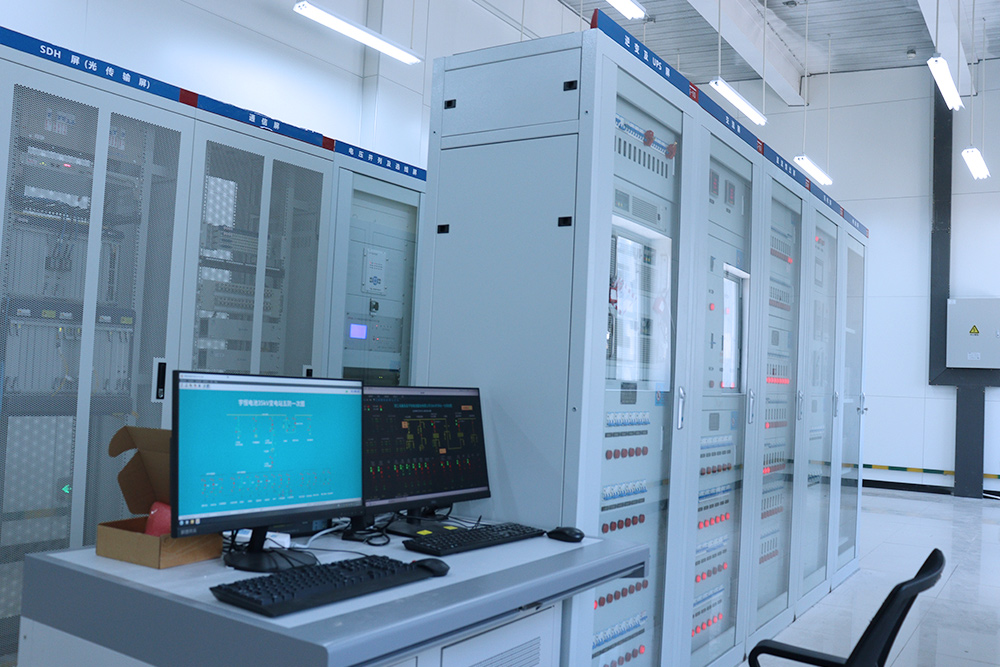
The convergence of power distribution equipment with digital monitoring and control technologies represents one of the most significant trends in transformer design. Contemporary dry-type transformers increasingly incorporate embedded sensors, communication interfaces, and processing capabilities that transform them from passive electrical components into active participants in intelligent electrical networks. These "smart transformers" provide continuous monitoring of key parameters including winding temperatures, load currents, voltage levels, power factor, and harmonic content.
Integration with Internet of Things (IoT) platforms enables remote monitoring, predictive maintenance analytics, and coordinated control strategies that optimize overall system performance. Machine learning algorithms analyze historical operational data to predict maintenance requirements, identify developing faults before failure occurs, and optimize loading strategies to maximize equipment lifespan. For fire-sensitive installations, these capabilities provide an additional safety layer by detecting abnormal conditions that might indicate increased fire risk, enabling proactive intervention before hazardous situations develop.
Regulatory pressures and corporate sustainability commitments continue to drive improvements in transformer efficiency. The U.S. Department of Energy's efficiency standards, European Union Ecodesign requirements, and similar regulations worldwide have established minimum efficiency levels that have effectively eliminated older, less efficient designs from the market. Modern dry-type transformers routinely achieve total losses 20-30% lower than units manufactured just a decade ago, translating to significant energy savings over their operational lifespan.
The focus on sustainability extends beyond operational efficiency to encompass the entire product lifecycle. Manufacturers increasingly employ recyclable materials, eliminate hazardous substances, and design for end-of-life disassembly and material recovery. Amorphous metal core materials, while more expensive initially, offer substantially reduced no-load losses and are gaining market share in applications where transformers operate continuously at light loads—common in many fire-sensitive indoor installations where redundancy and reserve capacity are prioritized.
The dynamic nature of modern facilities, particularly data centers and research institutions, has created demand for electrical infrastructure that can scale with evolving requirements. Modular transformer designs allow capacity expansion through parallel operation of multiple units rather than replacement of entire systems. This approach provides several advantages for fire-sensitive installations: reduced initial capital investment through staged deployment, enhanced reliability through inherent redundancy, simplified maintenance with the ability to service individual modules without complete system shutdown, and improved flexibility to accommodate changing load profiles.
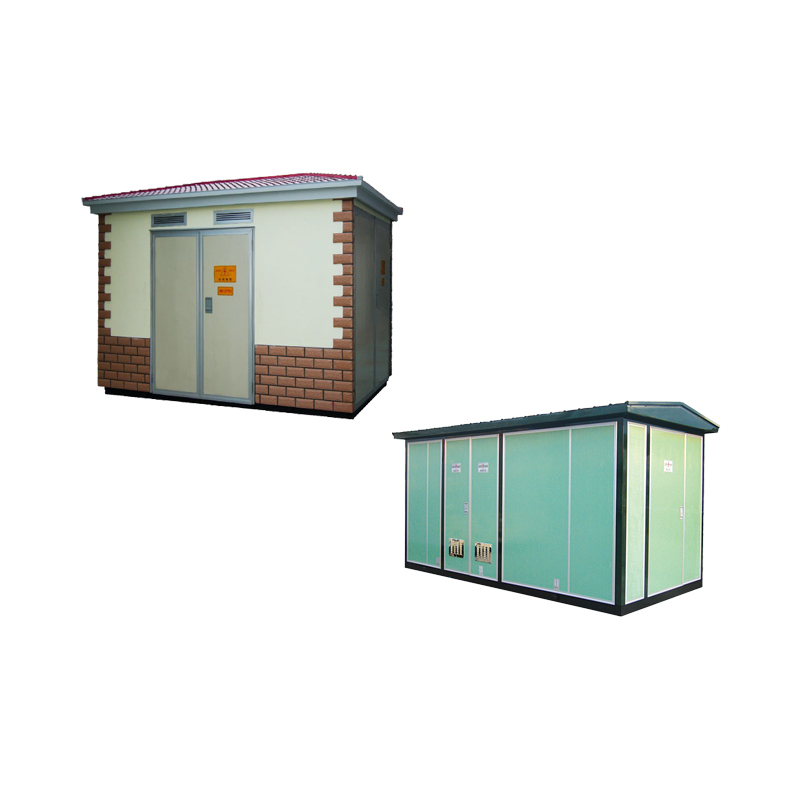
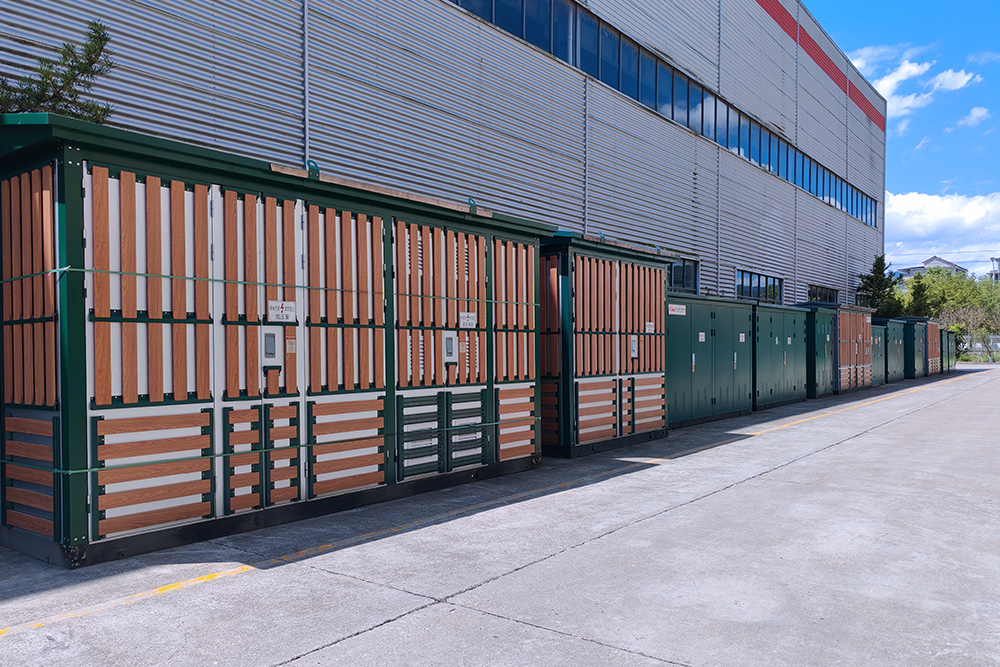
Prefabricated electrical rooms incorporating dry-type transformers, switchgear, and associated distribution equipment represent another trend toward modularity. These factory-assembled, tested, and certified units can be delivered to sites and installed with minimal on-site work, reducing construction schedules and ensuring consistent quality. For fire-sensitive applications, factory testing provides greater assurance that all safety systems and interlocks function correctly before installation in critical environments.
Subway systems, underground rail networks, and tunnel infrastructure represent uniquely challenging fire-sensitive environments. These applications combine confined spaces with limited ventilation, high occupant densities, and critical life-safety systems requiring absolute reliability. Dry-type transformers serve as the backbone for traction power distribution, station lighting, ventilation systems, and communications infrastructure throughout these networks.
The enclosed nature of underground installations makes fire safety paramount—any fire event in a tunnel or underground station presents extreme life-safety hazards with limited evacuation routes. Dry-type transformers eliminate the risk of flammable liquid spills and fires associated with oil-filled units, while their compact footprint and reduced clearance requirements optimize use of limited underground space. Specialized designs for transit applications incorporate enhanced seismic resistance, vibration tolerance, and environmental protection against moisture and contaminants common in underground environments.
Pharmaceutical production facilities operate under stringent regulatory oversight with critical requirements for environmental control, contamination prevention, and process reliability. Clean room environments maintaining specific temperature, humidity, and particulate specifications cannot tolerate any contamination source, making oil-filled transformers unacceptable. Dry-type units provide necessary power distribution without introducing contamination risks, while their sealed construction prevents ingress of pharmaceutical dust and vapors that could compromise insulation systems.
Process reliability in pharmaceutical manufacturing directly impacts product quality and regulatory compliance. Modern facilities employ redundant electrical systems with multiple transformers operating in parallel or standby configurations. The reduced maintenance requirements and enhanced reliability of contemporary dry-type designs align well with pharmaceutical industry practices minimizing interventions in controlled environments. Advanced monitoring capabilities provide the detailed operational documentation required for regulatory compliance and quality system audits.
While seemingly counterintuitive, petrochemical facilities and hazardous material processing plants represent important applications for fire-sensitive transformer installations. Control rooms, administrative buildings, and laboratory facilities within these complexes require electrical equipment meeting the same stringent fire safety standards as any occupied structure, despite being located within larger facilities handling flammable materials. Dry-type transformers installed in these buildings eliminate an additional ignition source and simplify compliance with building codes and insurance requirements.
Furthermore, certain process areas within petrochemical facilities may be classified as less hazardous zones where dry-type transformers can be installed with appropriate enclosures, providing localized power distribution without the complications of routing power from distant oil-filled transformer locations. The absence of flammable liquid eliminates concerns about mixed hazardous materials in the event of a process upset, simplifying emergency response procedures and reducing overall facility risk profiles.
The rapid expansion of electric vehicle adoption is creating substantial demand for charging infrastructure in parking structures, commercial buildings, and residential complexes—all fire-sensitive indoor environments. High-power DC fast charging installations require significant electrical capacity, typically necessitating dedicated transformers. Dry-type units provide ideal solutions for these applications, offering safe installation in parking garages and similar structures while supporting the high power densities required for rapid charging. The trend toward electrification is expected to drive significant growth in transformer demand for this application segment over the coming decade.
Dry-type transformers for fire-sensitive installations must comply with a complex web of international, national, and local standards addressing electrical performance, fire safety, environmental protection, and installation requirements. Key standards include IEC 60076 series (Power Transformers), IEEE C57.12.01 (General Requirements for Dry-Type Distribution and Power Transformers), UL 1561 (Dry-Type General Purpose and Power Transformers), and various NFPA codes addressing installation in specific occupancies.
Fire resistance classifications under standards such as IEC 60076-11 define transformer behavior under fire conditions, with ratings including F1 (limited fire hazard with low smoke emission) and F2 (enhanced fire performance). These classifications guide specification selection for different fire-sensitivity levels, with the most critical applications requiring the highest performance categories. Understanding the nuances of these standards and their interrelationships is essential for proper equipment specification and regulatory compliance.
Local building codes and requirements established by the Authority Having Jurisdiction (AHJ) often impose additional restrictions beyond baseline international standards. Fire marshals, building officials, and insurance underwriters may require specific transformer types, enclosures, separation distances, or fire suppression systems based on local experience and risk tolerance. Successful project execution requires early engagement with these stakeholders to understand specific requirements and avoid costly redesigns or equipment replacements during construction.
The trend toward performance-based codes rather than prescriptive requirements provides greater flexibility in transformer selection and installation design but requires more sophisticated analysis to demonstrate code compliance. Fire modeling, risk assessment, and detailed documentation of safety features may be necessary to gain approval for innovative installations or applications of new technologies in fire-sensitive environments.
Ongoing materials science research continues to yield improved insulation systems, core materials, and conductor technologies that enhance transformer performance. Nanocomposite insulation materials incorporating ceramic nanoparticles in polymer matrices offer improved thermal conductivity, higher breakdown strength, and enhanced resistance to partial discharge—all contributing to more compact, efficient, and reliable designs. Advanced manufacturing techniques including additive manufacturing for complex cooling geometries and automated winding processes improve consistency and reduce production costs.
The proliferation of distributed generation, renewable energy integration, and microgrid architectures is reshaping electrical distribution paradigms. Dry-type transformers play crucial roles in these systems, providing voltage transformation for rooftop solar installations, energy storage systems, and microgrid interconnections—often in fire-sensitive indoor locations within commercial buildings. Future designs will increasingly incorporate bidirectional power flow capabilities, advanced grid support functions, and seamless integration with distributed energy resource management systems.
Sustainability considerations are driving industry movement toward circular economy principles emphasizing product longevity, repairability, and end-of-life material recovery. Transformer manufacturers are developing take-back programs, refurbishment services, and design-for-disassembly approaches that minimize environmental impact across the product lifecycle. For fire-sensitive installations with long operational horizons, these considerations align with facility lifecycle planning and corporate sustainability commitments.
Substation transformers designed for fire-sensitive indoor dry-type installations represent a critical enabling technology for modern infrastructure, providing the essential combination of electrical performance, fire safety, and environmental responsibility required in today's built environment. As urbanization continues, building codes become more stringent, and society's dependence on reliable electrical power intensifies, the importance of these specialized transformers will only increase.
The convergence of advanced materials, digital monitoring technologies, and evolving power distribution architectures is creating unprecedented opportunities for innovation in transformer design and application. Manufacturers, engineers, and facility operators who understand these trends and actively engage with emerging technologies will be best positioned to deliver the safe, efficient, and sustainable electrical infrastructure that modern fire-sensitive installations demand.
For organizations planning new facilities or upgrading existing electrical infrastructure in fire-sensitive environments, careful consideration of transformer selection, installation design, and lifecycle management strategies is essential. Engaging experienced electrical engineering professionals, understanding applicable codes and standards, and selecting reputable equipment suppliers with proven track records in similar applications provides the foundation for successful project outcomes that protect life safety while delivering reliable, efficient electrical power for decades to come.
Yueqing Suian Electric Co., Ltd. is a wholly state-owned trading company controlled by Yueqing Liushi Urban and Rural Construction Investment Co., Ltd., with a registered capital of 10 million yuan. It has been deeply involved in the field of electrical product trading. With its solid state-owned background, rich experience in serving central enterprises, and the leading electrical industry ecosystem and location empowerment in China, it is committed to pioneering a new pattern of global electrical trade with the responsibility of a state-owned enterprise, becoming a core partner of the electrical supply chain trusted by global customers, and providing high-standard and reliable electrical products and solutions for overseas markets.
Liushi Town, known as "Zhejiang's No. 1 Industrial Strong Town," achieved a total industrial output value of 106.76 billion yuan in 2024, exceeding 100 billion yuan for two consecutive years and firmly ranking first in Zhejiang Province among the top 1,000 towns in China in terms of comprehensive strength. As a wholly state-owned enterprise, the company, backed by the state-owned capital of the Liushi Town Government, naturally possesses core advantages such as strong financial strength, compliant operation, and strong risk resistance. The company has accumulated extensive cooperative experience in the domestic market, successfully serving numerous leading central enterprises, including China Construction Eighth Engineering Bureau, China Construction Science & Industry Group Co., Ltd., China Construction Second Engineering Bureau, and Sinopec. It has accumulated rich project experience in infrastructure engineering, energy and power, and other fields. Its products and services have passed the stringent standards of central enterprises and possess mature capabilities suitable for large-scale projects and complex scenarios.
Based in Liushi, Yueqing, known as the "Electrical Capital of China" and the "Export Base of Low-Voltage Electrical Appliances in China," the company focuses on core trade in the electrical field. Boasting unparalleled supply chain advantages, it mainly deals in over 200 series and 25,000 models of products, including transformers, high and low voltage electrical equipment, complete sets of electrical equipment, wires and cables, and new energy electrical products. Leveraging state-owned platform resources, the company ensures product quality and supply stability while achieving high cost-effectiveness through the scale effect of industrial clusters, providing diversified product choices for overseas customers. Deeply integrated into the "Belt and Road" initiative, the company excels in connecting with major overseas infrastructure and energy projects, and can provide supporting services for electrical products that meet international standards.
Adhering to the core principles of "integrity as the foundation, compliance as the basis, and win-win cooperation as the way," Yueqing Sui'an Electric Co., Ltd. builds a solid foundation for cooperation with the credibility of a state-owned enterprise, ensures product quality with the service experience of a central enterprise, empowers global competitiveness with the advantages of industrial clusters, and connects overseas markets with professional services. Leveraging the "Electrical+" strategy of Liushi Town and the benefits of six emerging industrial parks, the company collaborates with global partners to build an international trade network, empowering the development of the global electrical industry with the quality of a state-owned enterprise, and is committed to becoming a trustworthy international electrical trading partner.
Building Trust Through State Enterprise Excellence




Unparalleled Supply Chain Advantages




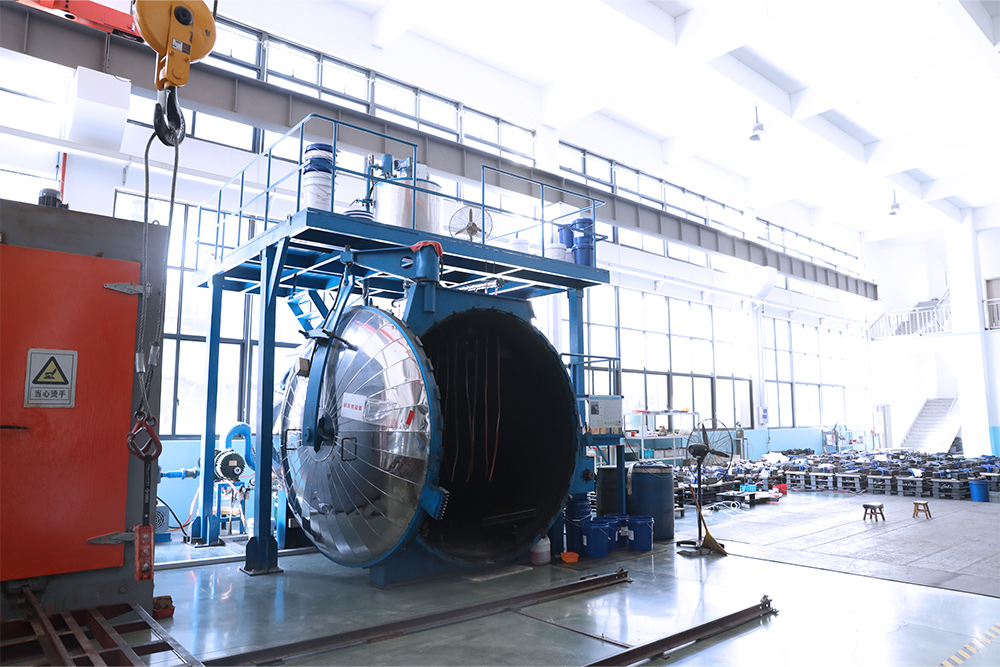
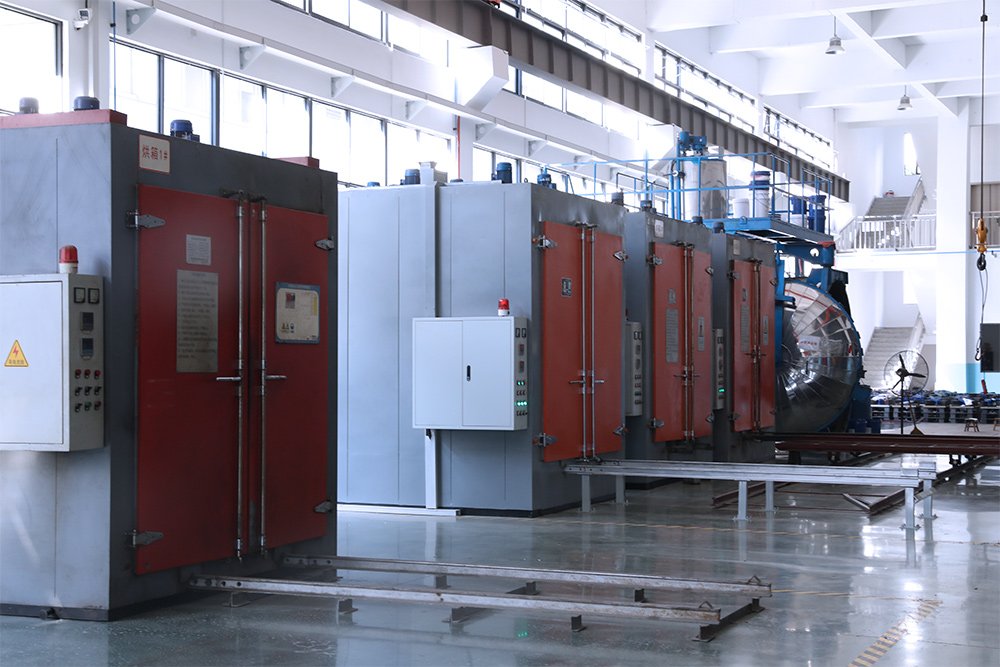
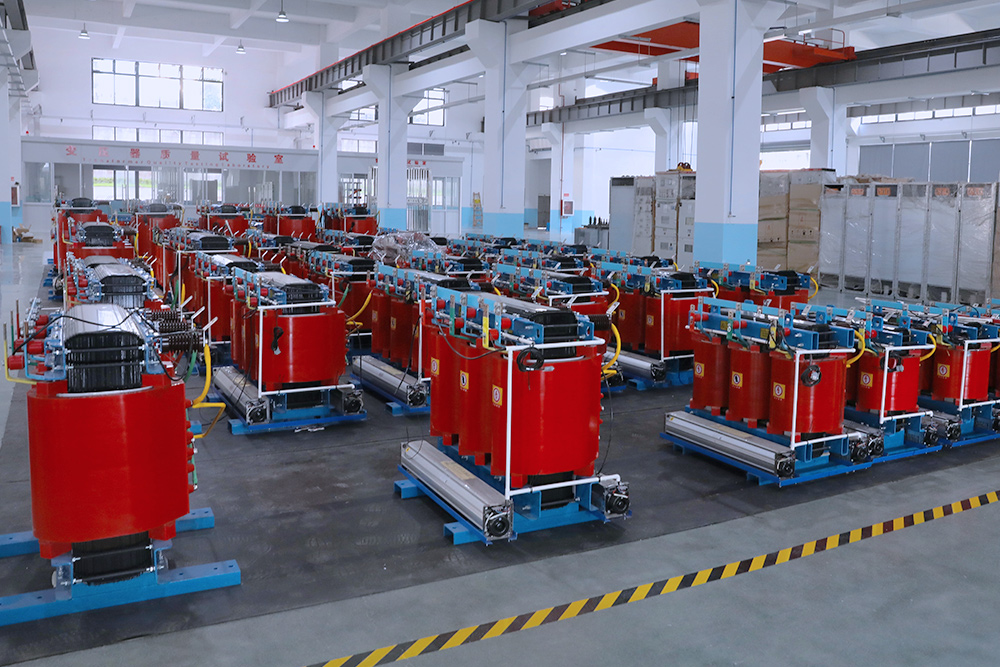
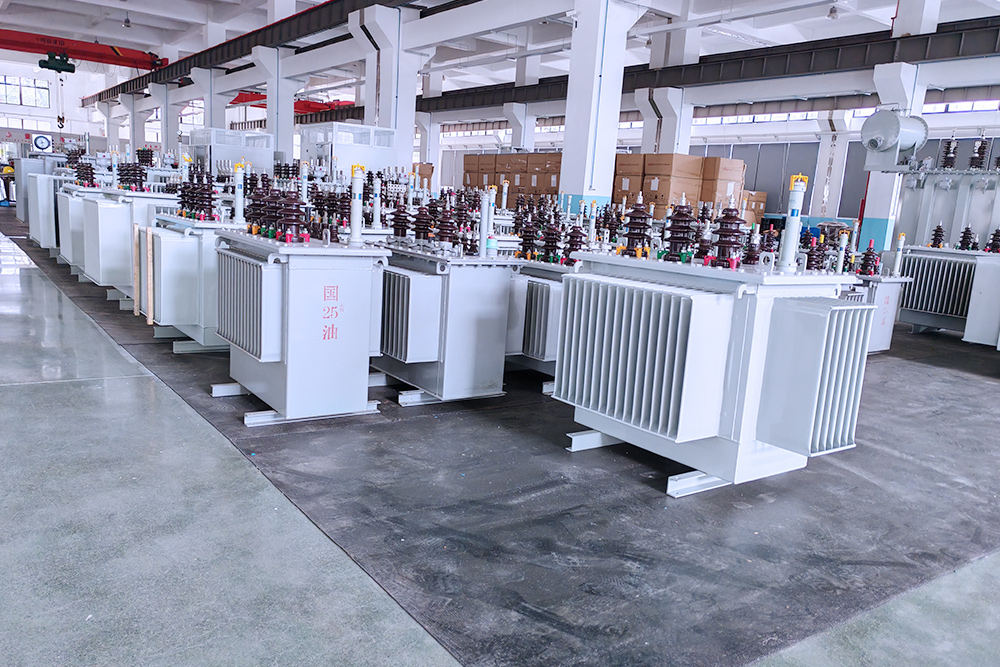
State-of-the-art Manufacturing Facilities
Comprehensive Transformer Solutions Portfolio