
Leave Your Message
As the global energy landscape undergoes a fundamental transformation, substation transformers have emerged as one of the most critical enabling technologies for large-scale wind farm integration. Wind energy now accounts for a rapidly growing share of electricity generation worldwide — the Global Wind Energy Council (GWEC) reports that cumulative installed wind capacity surpassed 1,000 GW globally in 2023, with annual additions exceeding 110 GW. Behind every turbine array, every offshore platform, and every onshore wind corridor stands a sophisticated electrical infrastructure, at the heart of which is the substation transformer.
The substation transformer serves as the essential interface between the medium-voltage collection system of a wind farm (typically 10–35 kV) and the high-voltage transmission grid (110 kV and above). Without high-performance, grid-compatible transformers, the power generated by wind turbines cannot be efficiently stepped up, stabilized, and delivered to end consumers. As wind projects grow in scale — from 50 MW community wind farms to multi-gigawatt offshore complexes — the technical and commercial demands placed on substation transformers have intensified dramatically.
The market for wind farm substation transformers is experiencing robust growth driven by three converging forces: accelerating renewable energy policy mandates, falling wind energy levelized cost of electricity (LCOE), and the urgent need to decarbonize industrial power grids. In China alone — the world's largest wind market — annual wind power additions reached 75 GW in 2023, requiring thousands of new transformer units at both the turbine pad-mount level and the central substation level.
From a commercial standpoint, wind farm developers and EPC contractors now demand transformers that go far beyond basic voltage conversion. Key procurement criteria include low no-load losses to maximize energy yield over 25-year project lifespans, compliance with grid codes for reactive power support and fault ride-through capability, compatibility with SCADA and digital monitoring systems, and robust performance under the variable, cyclic loading profiles characteristic of wind generation. Manufacturers supplying into this segment must demonstrate not only technical excellence but also supply chain reliability, international certifications (IEC 60076, IEEE C57), and the ability to deliver at scale within tight project timelines.
Yueqing Suian Electric Co., Ltd., backed by state-owned capital and deeply embedded in China's "Electrical Capital" — Liushi, Yueqing — is strategically positioned to serve this surging global demand. With access to over 25,000 product models across 200+ series, including dedicated wind power transformers and prefabricated substation solutions, the company offers a comprehensive, cost-competitive portfolio for wind farm developers worldwide.
Offshore wind farms are moving further from shore, demanding high-voltage direct current (HVDC) transmission and specialized offshore substation transformers rated for marine environments. Next-generation offshore units must withstand salt spray, humidity, and mechanical stress while maintaining ultra-high efficiency at variable loads.
Industry 4.0 is transforming substation transformers into intelligent grid assets. Embedded IoT sensors, real-time dissolved gas analysis (DGA), and AI-driven predictive maintenance platforms allow operators to monitor winding temperature, insulation health, and load profiles remotely — dramatically reducing unplanned downtime in remote wind farm locations.
Modern wind substations increasingly co-locate battery energy storage systems (BESS). Transformer designs must accommodate bidirectional power flow, rapid load cycling, and harmonic distortion introduced by power electronics — driving demand for amorphous-core and low-loss transformer variants with enhanced thermal management.
Environmental regulations are accelerating the shift from mineral oil to natural ester or synthetic ester insulating fluids, which offer higher fire points, biodegradability, and improved moisture tolerance. Dry-type transformer adoption is also rising in onshore wind substations due to reduced fire risk and lower environmental impact.
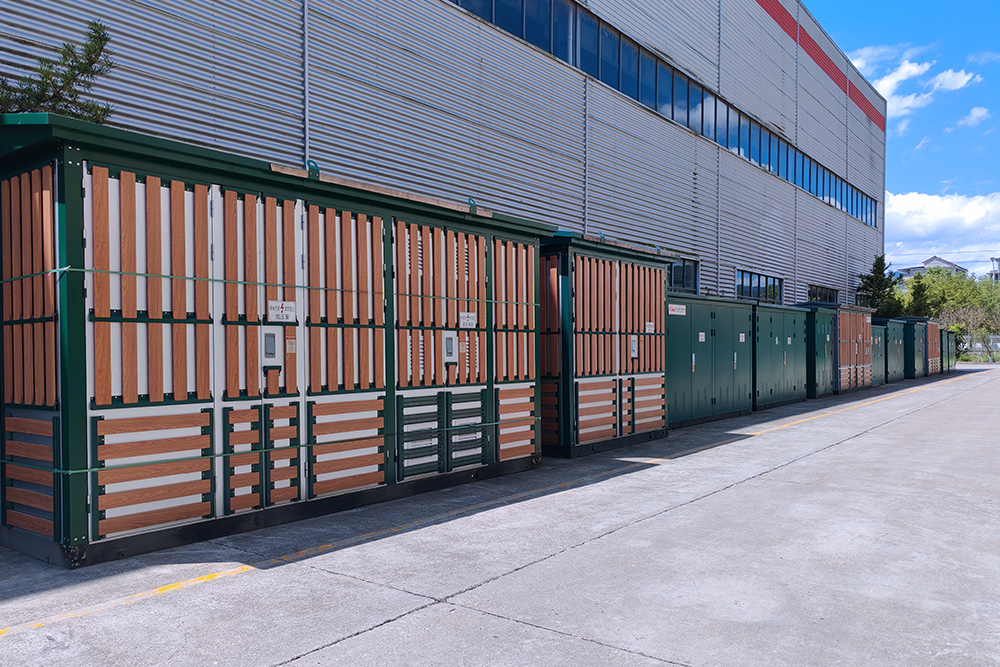
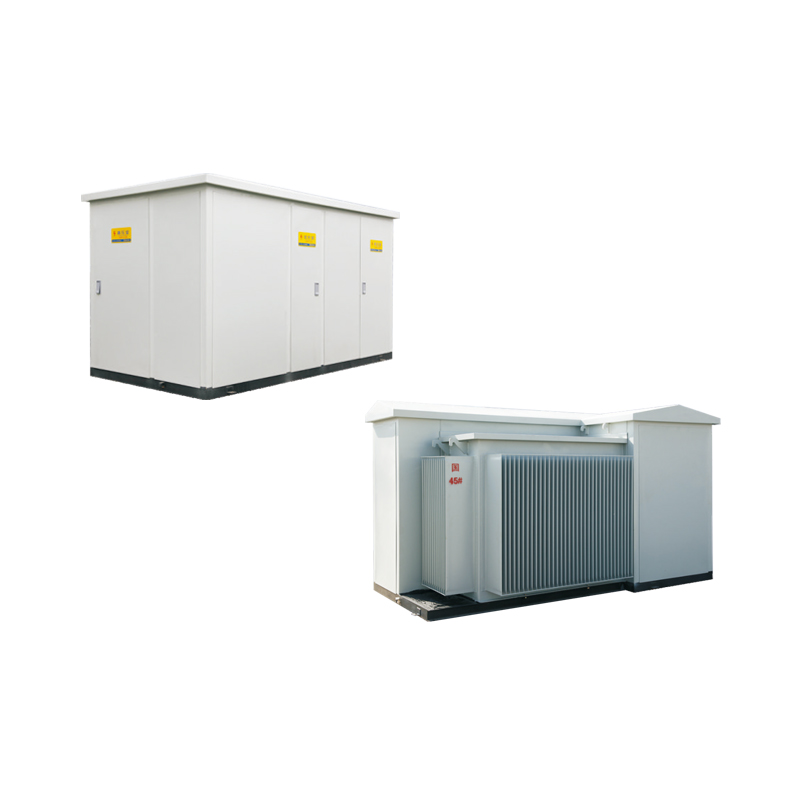
Wind farm developers are adopting prefabricated compact substations (PCS) to slash installation time and civil construction costs. These factory-assembled, plug-and-play units integrate the transformer, switchgear, and protection systems in a single weatherproof enclosure — ideal for remote onshore and nearshore wind sites.
Stricter national grid codes now mandate low-voltage ride-through (LVRT), reactive power control, and harmonic filtering capabilities. Substation transformers for wind farms must be engineered with on-load tap changers (OLTC), advanced surge protection, and optimized leakage reactance to meet these evolving regulatory requirements globally.
The deployment of substation transformers within wind energy projects spans a wide spectrum of technical environments and operational contexts. Understanding these scenarios in depth is essential for engineers, project developers, and procurement teams selecting the right transformer solution for each application.
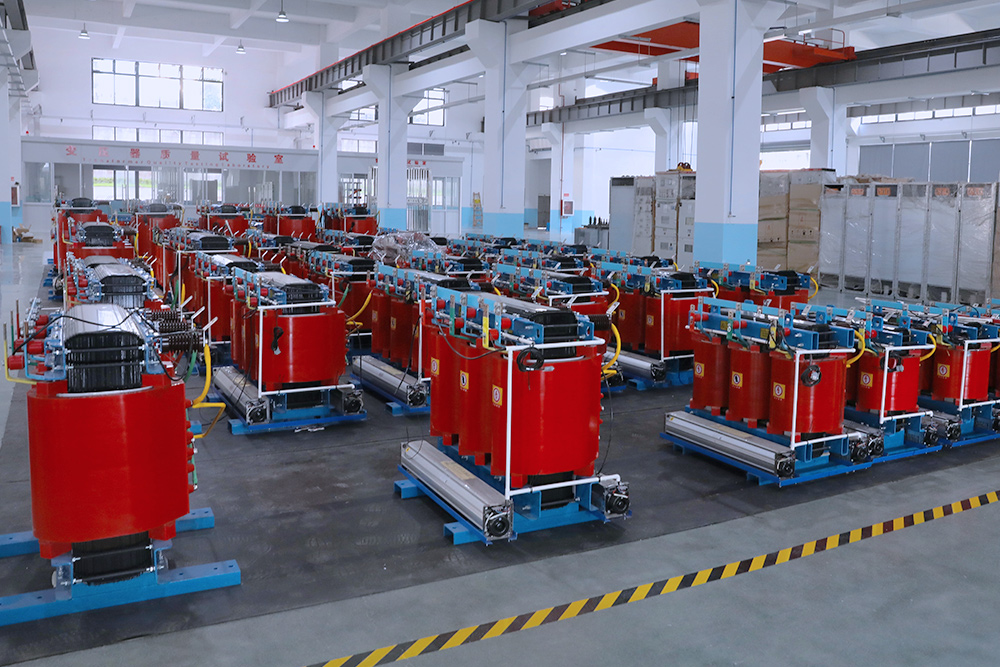
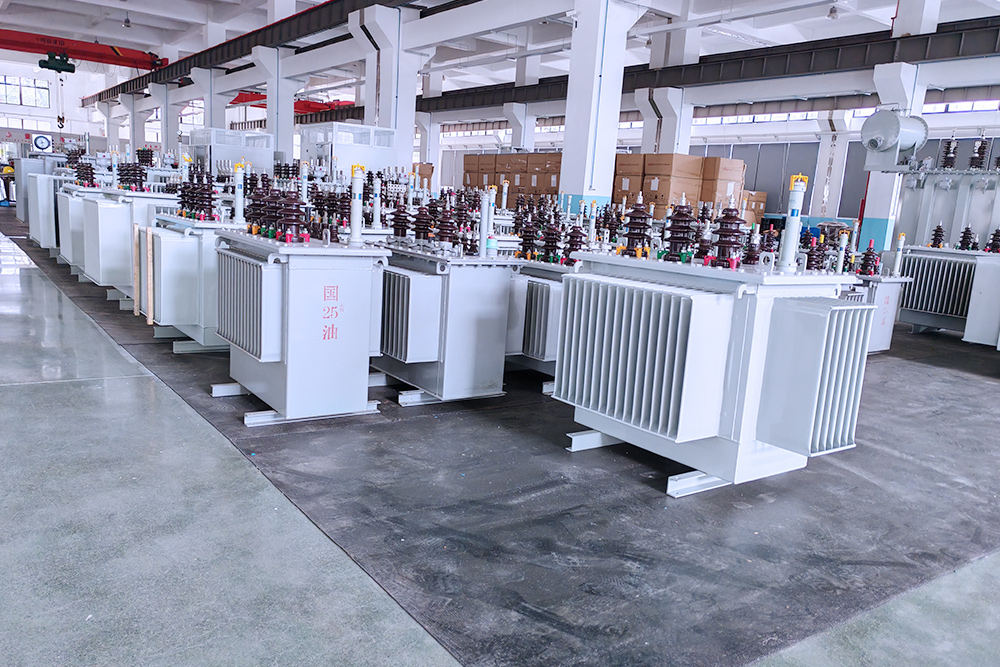
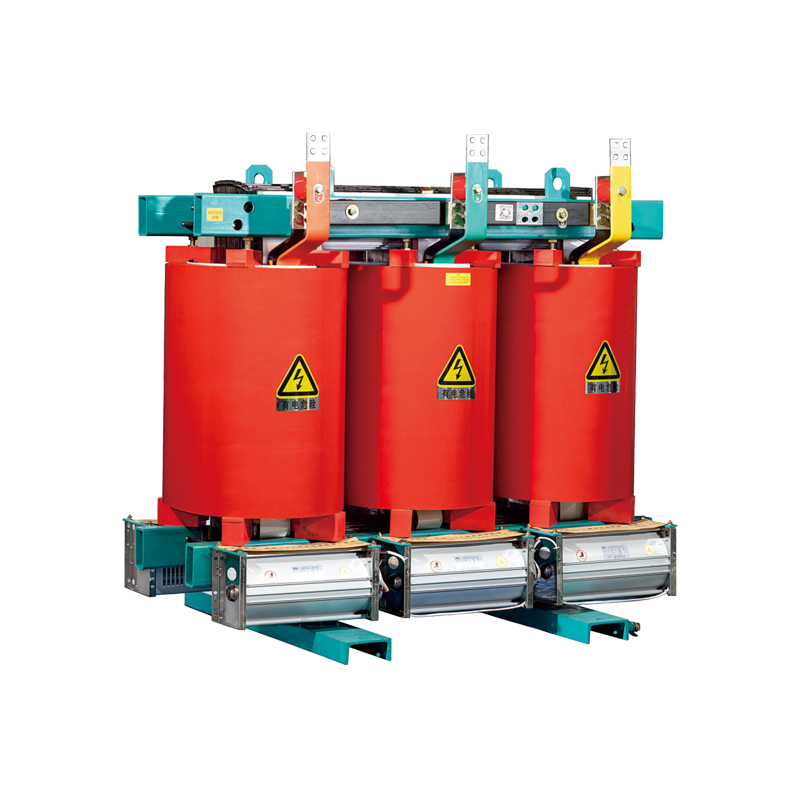
At the base of each wind turbine, a pad-mount transformer steps up the generator output voltage (typically 690 V) to the collection grid voltage (10–35 kV). These units must withstand frequent energization cycling, harmonic-rich currents from variable-speed drives, and outdoor environmental extremes. Compact dry-type designs, such as the SCB□ series 6–10 kV dry-type power transformer, are increasingly preferred for their fire safety, low maintenance, and long service life in this application.
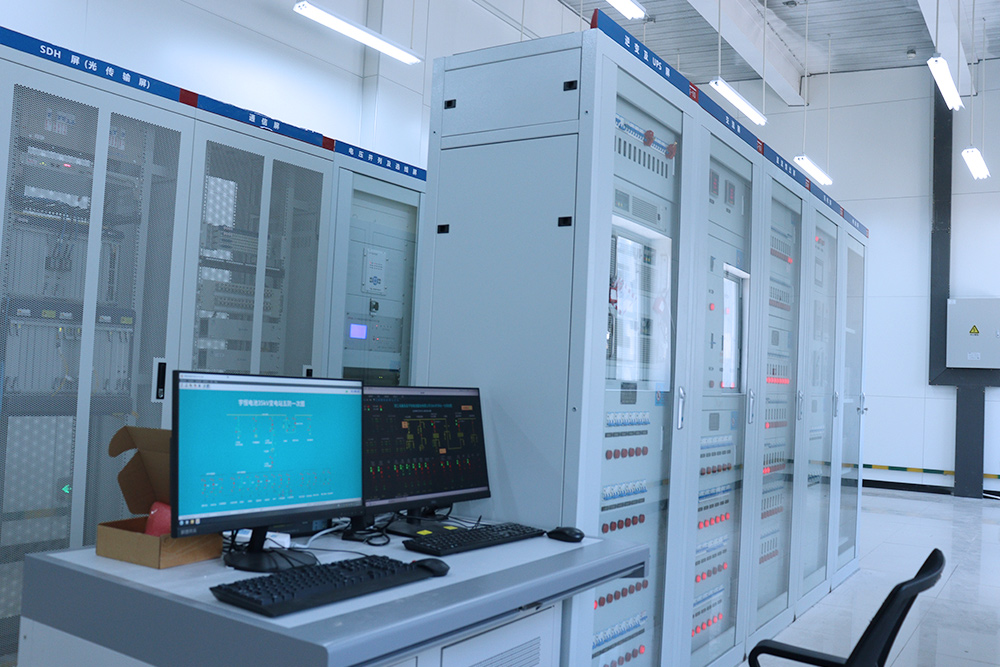
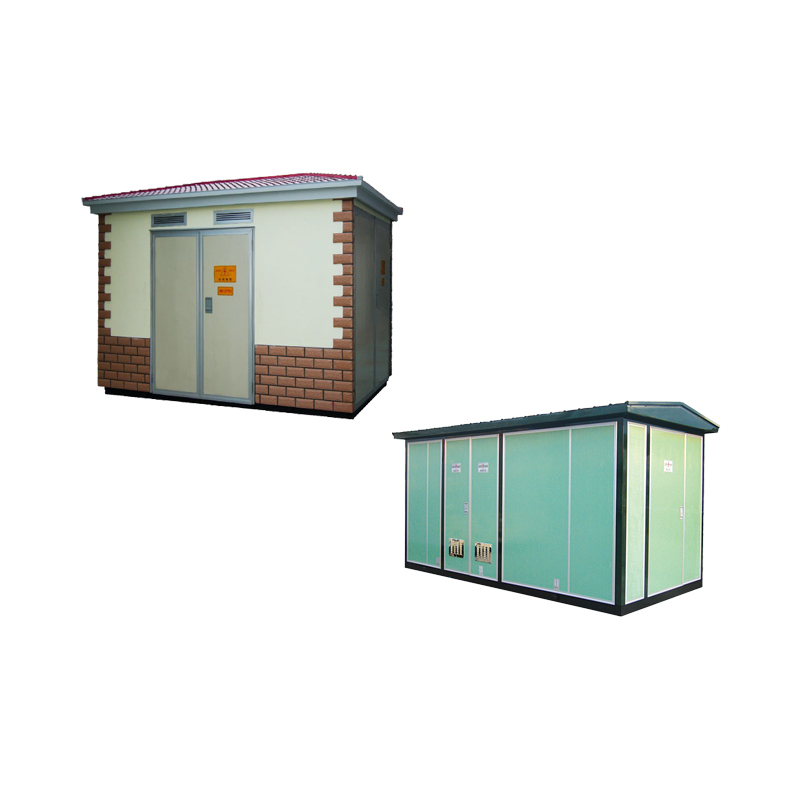
The central substation aggregates power from all turbine strings and steps it up to transmission voltage (110 kV, 220 kV, or higher). This main power transformer is the most critical and highest-rated unit in the wind farm electrical system. It must support continuous operation at variable loads, comply with grid code reactive power requirements, and integrate seamlessly with digital protection and SCADA systems. Prefabricated substation solutions like the YB□ High Voltage/Low Voltage Prefabricated Substation offer a compact, pre-engineered approach that reduces on-site installation time significantly.
Offshore wind substations — whether fixed-foundation or floating — require transformers engineered for the harshest marine environments. Sealed tank construction, enhanced corrosion protection, seismic restraint, and compatibility with nitrogen blanketing systems are mandatory. The YBWF/G-40.5/0.69 Wind Power Transformer is purpose-designed for these demanding offshore and onshore wind power and photovoltaic applications, delivering robust performance under the variable generation profiles of modern wind turbines.
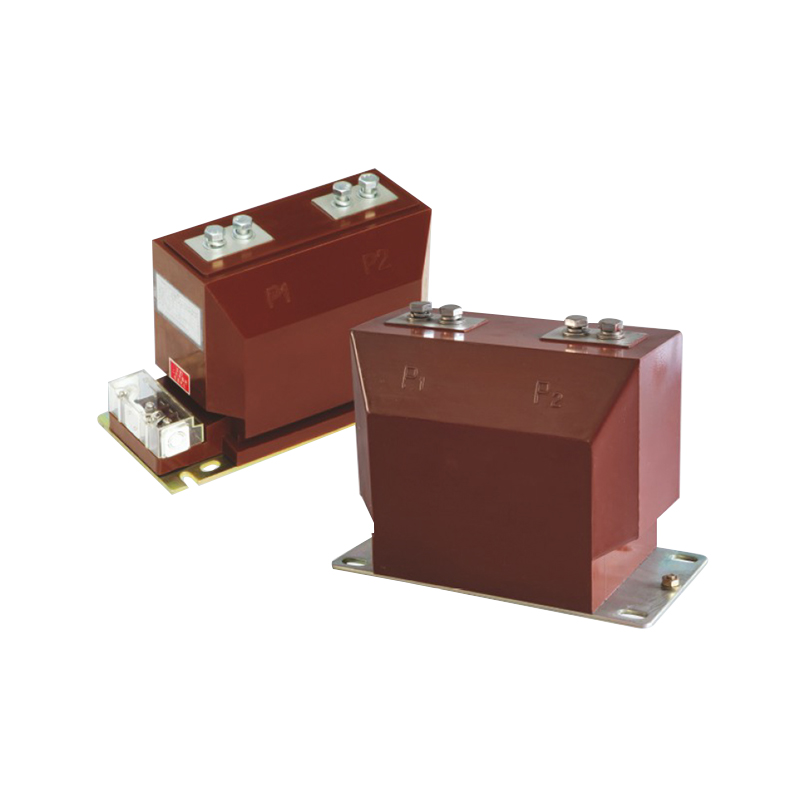
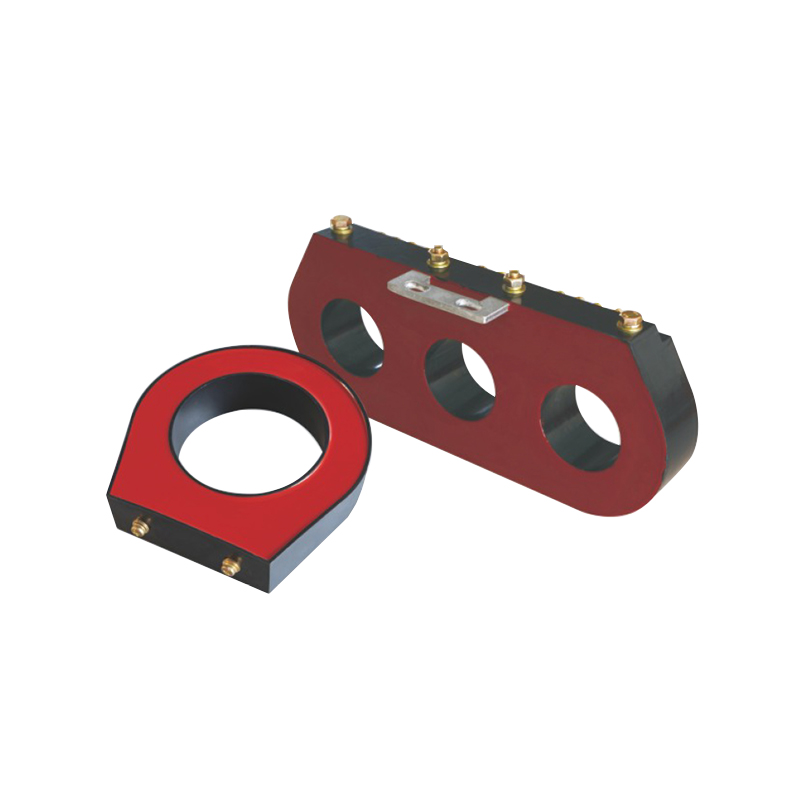
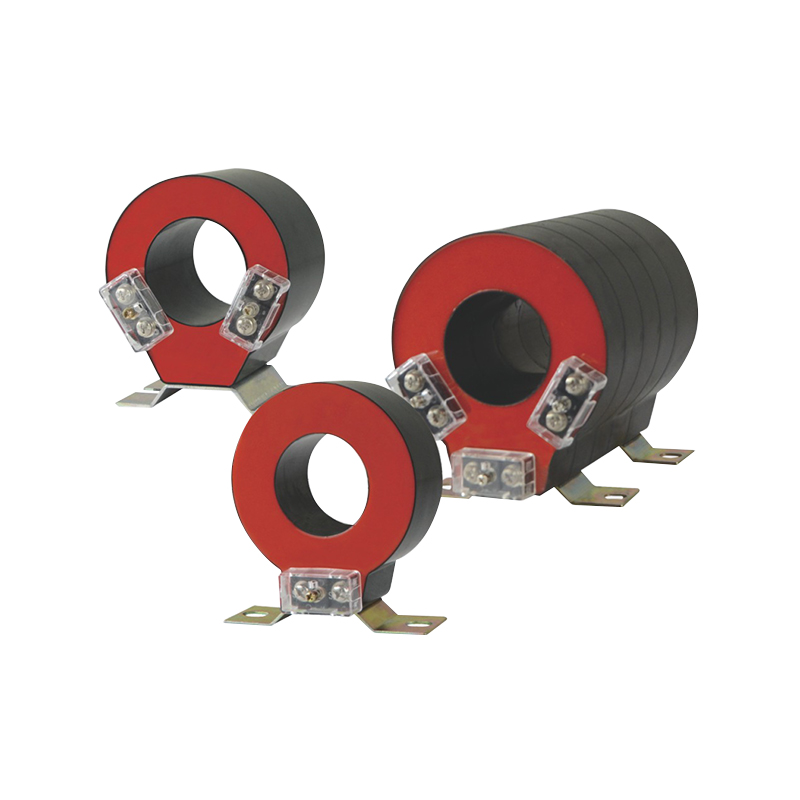
Wind farms connected to ring network distribution systems require high-precision current transformers for accurate metering, protection relay coordination, and fault detection. The High-Precision Current Transformer for Ring Network Cabinet (35 kV and 10 kV systems) ensures measurement accuracy class 0.2S for revenue metering and Class 5P/10P for protection — critical for grid operators managing complex renewable energy portfolios. Zero sequence current transformers such as the LJ-ZW20-10(12) provide sensitive earth fault detection, preventing equipment damage and grid instability.
Hybrid renewable energy parks combining wind and photovoltaic generation are emerging as the dominant new project format globally. Substation transformers in these facilities must handle simultaneous AC and DC-coupled power flows, accommodate the distinct generation profiles of both technologies, and support advanced energy management systems. Dedicated photovoltaic and wind power transformers, engineered to handle both generation types within a unified substation architecture, are becoming essential components of these next-generation hybrid energy parks.
Across Southeast Asia, Central Asia, Africa, and Latin America, Belt and Road Initiative energy projects are driving massive demand for reliable, internationally certified wind farm electrical equipment. Yueqing Suian Electric's deep integration with the BRI ecosystem, combined with its state-owned enterprise credibility and supply chain depth, positions it as a preferred partner for these large-scale international wind energy developments — providing transformers, switchgear, and complete electrical balance-of-plant solutions that meet IEC standards and local grid requirements.


Backed by government capital from Liushi Town People's Government — robust financial strength, standardized operations, and strong risk resilience ensuring business stability for wind energy projects globally.

Extensive collaboration with China Construction Eighth Engineering Division, China State Construction, and Sinopec — demonstrating capability to meet the most stringent quality and project delivery standards.
Direct access to 25,000+ product models across 200+ series from China's electrical industry hub — ensuring diverse selection, competitive pricing, and reliable supply for wind farm balance-of-plant procurement.

Products meet IEC, IEEE, and international certifications — ideally positioned for Belt and Road Initiative wind projects and overseas renewable energy infrastructure requiring globally recognized electrical solutions.




Yueqing Suian Electric Co., Ltd. is a wholly state-owned trading company controlled by Yueqing Liushi Urban and Rural Construction Investment Co., Ltd., with a registered capital of 10 million yuan. It has been deeply involved in the field of electrical product trading. With its solid state-owned background, rich experience in serving central enterprises, and the leading electrical industry ecosystem and location empowerment in China, it is committed to pioneering a new pattern of global electrical trade with the responsibility of a state-owned enterprise, becoming a core partner of the electrical supply chain trusted by global customers, and providing high-standard and reliable electrical products and solutions for overseas markets.
Liushi Town, known as "Zhejiang's No. 1 Industrial Strong Town," achieved a total industrial output value of 106.76 billion yuan in 2024, exceeding 100 billion yuan for two consecutive years and firmly ranking first in Zhejiang Province among the top 1,000 towns in China in terms of comprehensive strength. As a wholly state-owned enterprise, the company, backed by the state-owned capital of the Liushi Town Government, naturally possesses core advantages such as strong financial strength, compliant operation, and strong risk resistance.
The company has accumulated extensive cooperative experience in the domestic market, successfully serving numerous leading central enterprises, including China Construction Eighth Engineering Bureau, China Construction Science & Industry Group Co., Ltd., China Construction Second Engineering Bureau, and Sinopec. Its products and services have passed the stringent standards of central enterprises and possess mature capabilities suitable for large-scale projects and complex scenarios.
Based in Liushi, Yueqing — the "Electrical Capital of China" and the "Export Base of Low-Voltage Electrical Appliances in China" — the company focuses on core trade in the electrical field. It mainly deals in over 200 series and 25,000 models of products, including transformers, high and low voltage electrical equipment, complete sets of electrical equipment, wires and cables, and new energy electrical products. Deeply integrated into the "Belt and Road" initiative, the company excels in connecting with major overseas infrastructure and energy projects.
Adhering to the core principles of "integrity as the foundation, compliance as the basis, and win-win cooperation as the way," Yueqing Suian Electric Co., Ltd. builds a solid foundation for cooperation with the credibility of a state-owned enterprise, ensures product quality with the service experience of a central enterprise, empowers global competitiveness with the advantages of industrial clusters, and connects overseas markets with professional services.