

Leave Your Message

Blog

How to Choose a Power Oil Transformer?

How to Choose a Power Oil Transformer?

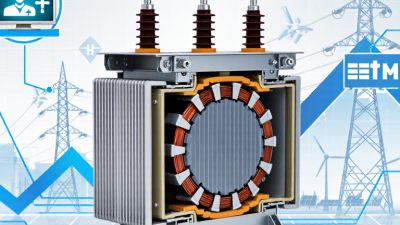
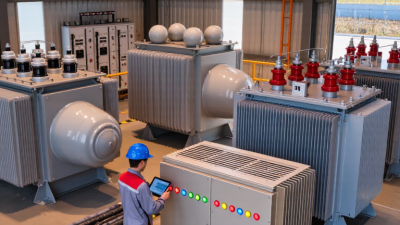
Picking a power oil transformer? That’s more of an engineering call than a shopping spree, if you ask me. You gotta look at what the real load is, where it’s headed, what voltage you’re dealing with, the environment, and how much maintenance you can actually handle. For instance, if you’re putting one on a factory floor, you’ve got motor starting surges, dust, and sometimes barely any room to work around it. But if it’s for a utility, then it’s all about reliability, keeping it cool, and having room to grow. Honestly, the little things can trip you up. You know that feeling when you glance at a temperature reading and think, 'Oh, that's a bit warm'? Turns out, a hot enclosure isn't just a number to shrug off—it's often a heads-up that something's off. Like, it's a warning sign, not just data on a screen. So, there's this guy, Dr. S. V. Kulkarni – you might've heard of him – he co-wrote 'Transformer Engineering: Design and Practice' and he's pretty much the go-to expert on transformer design. Anyway, one of his core ideas, and I'm paraphrasing here, is basically: choose the transformer based on what it's actually gonna do and under what conditions, not just what's stamped on the nameplate. That's a smart way to frame what we're up against. So we need to look at things like rated power, insulation system, cooling method, impedance, loss figures, protection, and what kind of service support we can get. Don't just take supplier claims at face value—ask for actual test records and clear operating limits. And think about the logistics: how will the unit be transported, installed, and inspected? Even if an oil power transformer looks perfect on paper, it might be a disaster in a humid site or with a fluctuating load. Honestly, I've learned not to treat any single specification as the deciding factor. Real installations are so much messier than any spreadsheet. So, you've got the task of picking a power oil transformer, right? It's not exactly the most exciting thing, but it's important. This guide breaks it down for you: we'll talk about how to weigh the technical stuff, how to spot the questions that actually matter, and how to make a choice that doesn't leave you with a ton of unexpected costs later. Sound good?
Read more »
Ethan By:Ethan - November 17, 2026
China Top 10 Voltage Substation Manufacturers

China Top 10 Voltage Substation Manufacturers

China's power grid is absolutely booming right now, and with that kind of growth, substations can't afford to lag behind. The National Energy Administration just dropped some numbers: by the end of 2024, solar capacity hit around 887 gigawatts. Wind? Over 520 gigawatts. Those are huge numbers, and they mean the grid has to handle way more connections, keep voltages stable, and rely on equipment that won't flake out. It's a real challenge, but also an opportunity for innovation. So, the International Energy Agency just dropped a report about electricity grids and secure energy transitions, and they're saying that by 2030, global grid investment needs to hit over $600 billion a year. That's basically double what we're putting in now—pretty huge, right? But here's the kicker: a Voltage Substation isn't just about slapping together transformers and switchgear. You've got to consider protection systems, insulation design, monitoring, and even how easy it is to maintain. All of that really matters. Honestly, it’s the little things that really count, you know? So, this guide walks you through ten Chinese manufacturers that play in the substation game. We're looking at stuff like what they actually build, how much engineering know-how they've got under their belts, the certifications they flaunt, real project references, and whether they can really support you internationally. These things are handy for comparing suppliers, sure—but honestly, they don't guarantee a perfect fit for your specific project. You've still got to dig into voltage levels, site conditions, local regulations, and how they handle delivery support separately. And hey, a slick brochure? That doesn't mean they're solid in the field. It's an easy trap to fall into, but a pretty important one to avoid. Honestly, company rankings are only as solid as the public evidence they're built on, and that evidence can be pretty hit-or-miss. So don't just take our word for it — reach out to the manufacturers yourself and double-check those specs and references before you commit to anything. Trust me, it's worth the extra step.
Read more »
Liam By:Liam - November 13, 2026
What Is a Voltage Substation and How Does It Work?

What Is a Voltage Substation and How Does It Work?

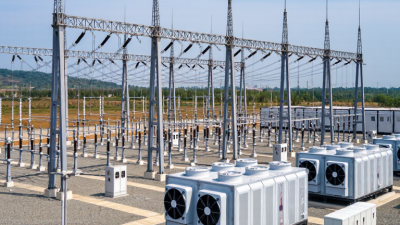
Okay, so a voltage substation is basically a key spot in the power grid where electricity gets transformed, switched, and protected. Some of these stations step the voltage up for long-distance transmission, while others step it down so it can safely go to homes and businesses. But here's the thing: not every substation actually has a transformer. Some are just there to connect or isolate circuits. The International Energy Agency’s 2023 report, Electricity Grids and Secure Energy Transitions, basically says that we need to add or refurbish 80 million kilometres of grids by 2040. On top of that, annual grid investment has to climb from about USD 300 billion to more than USD 600 billion by 2030. That’s a pretty big ask. You know how Fatih Birol, the IEA’s executive director, calls electricity grids "the backbone of the energy transition"? Well, substations are a pretty essential piece of that backbone — but honestly, expanding the grid isn’t just about them. It really depends on a whole bunch of components all working together. You ever actually look inside a substation? It's kind of a controlled chaos, but not really. Transformers are there doing the whole voltage up/down thing, and circuit breakers just wait around until there's a fault—then they cut the current. You've got busbars moving power between circuits, and protection relays basically keeping an eye on everything, telling breakers to trip when something's off. Out on site, a lot of this is just sitting behind a fence, right next to a transformer that's humming away under load. It's easy to overlook, but those small details? They matter. So, a substation’s layout isn’t just random—it depends on things like voltage, capacity, location, and how reliable the station needs to be. Engineers also have to think about maintenance access and what could go wrong if equipment fails. Diagrams tend to make everything look neat and simple, but real installations are a whole different story. Anyway, this intro covers the main equipment, how voltage changes, and how protection systems help keep the power flowing safely.
Read more »
Ethan By:Ethan - November 8, 2026
Which Is the Best Power Grid Substation Supplier in China?

Which Is the Best Power Grid Substation Supplier in China?

So, a Power Grid Substation? It’s way more than just transformers and switchgear thrown together. Honestly, it’s the bridge that connects generation to transmission—and ultimately to the reliable electricity we all depend on. Now, if you’re a buyer checking out Chinese suppliers, here’s the thing: the real challenge isn’t just hunting for the lowest price. Basically, this is about making sure everything lines up — the equipment specs, factory processes, test records, and even after-sales support — with what the project actually needs in practice. Kind of a reality check, you know? Take the International Energy Agency’s 2023 report, Electricity Grids and Secure Energy Transitions. It reckons we might need to add or refurbish over 80 million kilometres of electricity grids worldwide by 2040. That’s a huge number, honestly. The same report says annual grid investment needs to climb past USD 600 billion by 2030 if we want to meet the energy and climate goals we keep talking about. So yeah, these figures point to growing demand—no argument there. But here’s the thing: they don’t actually prove that any individual supplier is the right fit. At the end of the day, evidence matters. Alright, so if you're sourcing from China, you really want to look beyond the glossy brochure. Compare things like documented manufacturing capacity, actual project references, certifications, QC procedures, delivery track record, and how responsive their technical support really is. Sure, a clean factory tour is nice and can give you a warm fuzzy feeling, but it won't make up for independent test reports or having solid terms in the contract. Also—and this one's easy to miss—just because a supplier brags about their company doesn't mean the specific machine they're quoting is up to snuff. That's a big trap. So this guide? It's about how to actually vet Chinese suppliers and find one that's legit for what you need. Look, even the best shortlist isn't going to catch every single risk—you still have to roll up your sleeves and double-check things. It takes time, no way around it.
Read more »
Liam By:Liam - November 5, 2026
5 Best Prefabricated Substations for Global Buyers

5 Best Prefabricated Substations for Global Buyers

Electricity demand keeps going up, but the grid? Not so much. New generation and industrial projects often end up waiting on connections, which is a pretty big bottleneck. The IEA’s Electricity Grids and Secure Energy Transitions report estimates that annual grid investment will need to top $600 billion by 2030—basically double where we are now. With pressure like that, global buyers are really focused on speed, site constraints, and equipment they can depend on.If you're considering prefabricated substations, they're basically a factory-assembled way to go — switchgear, transformers, protection, and control equipment all packed into one compact unit. But the details can really make or break a project. Things like transport dimensions, ambient temperature, fault ratings, and local service capacity? Yeah, those can change everything. So the IEA’s 2024 Electricity report talks about this shift toward a new “Age of Electricity.” Their executive director, Dr. Fatih Birol, keeps using that phrase when he describes how electricity is becoming more central across economies. And honestly, it’s a useful way to look at things—not some kind of product endorsement. If you’re a buyer checking out those “5 Best Prefabricated Substations for Global Buyers,” the real questions are a lot less flashy: Does the design actually match the utility’s interface? Can your technicians swap out a component without waiting weeks for a specialist to show up? So, you're probably wondering—are drawings, test records, and spare parts even going to be available where you're shipping this thing? Honestly, there's no one-size-fits-all answer. What works for a coastal solar setup might be a total disaster at a dusty mining site or in a crowded urban feeder. This guide walks through suppliers and solutions by looking at technical fit, manufacturing capability, delivery support, and what happens down the road. But even the best shortlist isn't perfect—you still need to double-check the specs against your own project's needs.
Read more »
Henry By:Henry - November 1, 2026
2026 Best Electrical Substation Suppliers Worldwide

2026 Best Electrical Substation Suppliers Worldwide

So you're looking for the best electrical substation suppliers for 2026? Honestly, it's not just about picking the flashiest brochure or the biggest revenue number. You've gotta think about how well a substation actually fits your grid, your climate, the safety codes you need to meet, and where you plan to grow. In this piece, we're digging into some big names like Siemens Energy, Hitachi Energy, GE Vernova, Schneider Electric, ABB, and Mitsubishi Electric. Sure, names carry weight, but what really counts is the proof behind them. When we look at what really matters here, it's not just one thing—it's the whole package. You've got the engineering know-how, the quality of the equipment, hands-on experience from commissioning, digital protection systems, and then the long-term support that keeps everything running smoothly. Honestly, all of these pieces need to come together for something solid. You know, the real difference shows up when you actually get into a project. A good supplier shouldn't just hand you a brochure—they should be able to explain things like transformer losses, how the GIS performs, relay coordination, and even cyber resilience without making you feel lost. And it's not just about talk; you want to see test records, have qualified techs on site, get realistic delivery dates, and check out references from projects at similar voltage levels. Honestly, having local maintenance support can be just as important as whatever fancy factory tech they're showing off. I mean, sure, a modern control room with live alarms and temperature trends is great, but if you can't get someone to fix a breaker quickly, what's the point? Look, no matter how good your data is, it can't fix sloppy installation work. You still gotta verify things in practice, you know? Now, a quick heads-up before we dive in: this overview isn't meant to be the final word. Honest truth is, info out there is pretty patchy, and what a supplier can do often depends on where you are and who's on their team. No way can a global ranking take the place of actually visiting a site, running a protection study, or poring over the contract. Some of our assessments are bound to have a subjective tint—I'll admit that upfront. So, don't just take our word for it. Check each claim against independent certifications, real-world performance records, warranty fine print, and references from people who've used them. And remember, the best pick isn't always the biggest name out there. So, the supplier's job is to actually deliver something that's not just safe, but also easy to maintain and, you know, measurable for the network we're targeting.
Read more »
Ethan By:Ethan - October 28, 2026
Why Choose a Power Grid Transformer for Global Projects?

Why Choose a Power Grid Transformer for Global Projects?

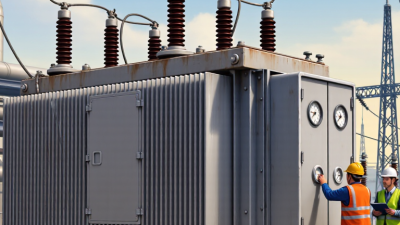
Global power projects almost never run under the same conditions. One transmission site might be baking in desert heat, another could be sitting in coastal salt air, and another might get hammered by heavy rain or freezing winds. So when it comes to picking equipment, it’s really a practical engineering call. A Power Grid Transformer has to line up with the project’s voltage, frequency, load profile, insulation level, and any plans for future expansion. And on top of that, it’s gotta fit the local install limits, the transport routes, and what the maintenance folks can actually handle. When you talk to seasoned utility engineers, they’re not just going to flip through a product brochure. They’ll dig into the design calculations, routine test reports, type-test evidence, material traceability, and factory acceptance procedures. And if you want a bit more peace of mind before shipment, independent inspections can help. On international projects, you might also need to line things up with IEC or IEEE practices—and, of course, whatever local grid rules apply. Protection systems, cooling, noise limits, fire safety, monitoring devices—they all deserve just as much attention, honestly. It’s the little things that get you. A lifting point that wasn’t planned well? That can set installation back for days. And a weak spare-parts plan? Well, that can make a later outage drag on even longer. At the end of the day, a reliable power grid transformer needs to keep running steadily—and still be serviceable when real-world conditions get messy. Digital temperature monitoring and dissolved-gas analysis are great for spotting faults as they start to develop. But let's be clear: monitoring isn't a substitute for experienced inspection or disciplined maintenance. That's a point people tend to miss. Truth is, no transformer is perfect, and every spec comes with trade-offs—cost, efficiency, size, resilience, you name it. Good suppliers don’t pretend there’s one perfect answer that works everywhere. Instead, they’re upfront about the trade-offs. And for global projects? The best bet is usually a mix: engineering you can verify, documentation that’s clear and transparent, local technical support, and a lifecycle plan that’s actually realistic. That combo helps project owners keep the grid stable, manage risk, and build infrastructure they can count on—no matter the market.
Read more »
Henry By:Henry - October 25, 2026
What Is a Voltage Substation and How Does It Work?

What Is a Voltage Substation and How Does It Work?

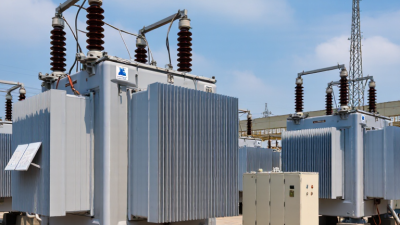
A Voltage Substation is where electricity changes direction, pressure, and purpose. It connects generating stations, transmission lines, distribution networks, and customers. Inside, transformers raise or lower voltage levels. Circuit breakers interrupt dangerous faults. Busbars divide power between outgoing circuits. Protection relays watch every electrical movement. John D. McDonald, an IEEE Fellow and recognized substation automation specialist, describes the substation as “the heart of the power system.” This comparison is practical. A substation does not merely pass electricity forward. It measures current, isolates damaged equipment, controls voltage, and supports dependable grid operation. Companies such as Siemens Energy, Hitachi Energy, and GE Vernova develop many of these systems. The equipment works as one coordinated chain. Incoming power reaches a transformer through high-voltage conductors. The transformer changes the voltage for the next network stage. Sensors send measurements to protection and control devices. If a fault appears, a breaker can open within milliseconds. The result protects cables, transformers, workers, and connected communities. Still, a substation is not completely self-sufficient. Its performance depends on maintenance, weather protection, accurate settings, and trained operators. A clean yard can hide aging insulation. A modern control room can still suffer from poor data. That is an important limitation. This guide examines how a Voltage Substation operates, what each major component does, and why small failures can create wider service problems. It also considers real field conditions, including noise, heat, restricted access, and the careful inspections required before equipment returns to service.
Read more »
Henry By:Henry - October 20, 2026
10 Tips for Buying Electric Power Substations

10 Tips for Buying Electric Power Substations

Buying Electric Power Substations isn’t just another equipment purchase—it’s a big infrastructure decision. Get it right, and you’re protecting safety, reliability, operating costs, and room to grow. A substation can include transformers, circuit breakers, protection relays, busbars, control systems, communication gear. Every part has to fit the site, the voltage level, the load profile, and whatever grid rules apply. Details matter—a lot. So here are ten practical tips for sizing up suppliers and substation packages. We’re talking technical specs, proven performance records, factory testing, installation support, spare parts, warranties, and lifecycle service. Before signing off on a design, experienced engineers should look hard at fault levels, environmental conditions, expansion plans, and maintenance access. A coastal site, for instance, may need tougher corrosion protection than an inland one. And if it’s remote? You might want simpler controls plus fast spare-parts support. Good procurement runs on evidence, not glossy brochures. Ask for test reports, reference projects, quality certifications, and a clear responsibility matrix. Independent inspections can catch wiring errors, poor labeling, or missing documentation before delivery. That said, no checklist wipes out every risk. Forecasts shift, suppliers miss deadlines, and even a solid design can underperform if local conditions were misread. That uncertainty deserves an honest look. And don’t just stare at the purchase price. The better decision balances proven engineering, transparent communication, regulatory compliance, and long-term serviceability. These ten tips are meant to help you compare carefully and have smarter conversations with qualified manufacturers, consultants, and utility specialists. Just as important, they push buyers to question assumptions before the contract is signed.
Read more »
Henry By:Henry - October 14, 2026
2026 Best Electric Power Substations for Global Buyers

2026 Best Electric Power Substations for Global Buyers

Picking the best Electric Power Substations for 2026 isn’t just about lining up prices or glossy spec sheets. If you’re buying globally, you need proof from real sites—commissioning notes, protection relay test results, maintenance logs. A substation that looks great in a dry inland area might not handle coastal salt, tropical humidity, or brutal winter cold. So the evaluation has to dig into voltage class, transformer capacity, fault levels, grid stability, automation, and room for expansion. This guide looks at options from big names like Siemens Energy, Hitachi Energy, Schneider Electric, ABB, GE Vernova, and Eaton. We compare air-insulated vs gas-insulated designs, digital substations, prefab modules, fire protection, cybersecurity, and remote monitoring. But the practical stuff really matters. Ask about transformer noise, enclosure ratings, spare-part availability, relay coordination, and how long it takes to swap out a damaged bushing. IEC and IEEE alignment helps with international projects, sure—but local grid codes still need a close look. Compliance? Never automatic. No ranking is perfect. Supplier data tends to shine a light on lab performance, while field conditions expose different weak spots. That caveat matters. A sound decision should pull together factory inspection, independent testing, lifecycle-cost analysis, and references from similar projects. Experienced engineers should check heat dissipation, grounding, cable routing, and emergency access before anyone signs off. Price still counts, of course. But a cheap substation can get very expensive through outages, slow parts, or painful upgrades. The best choice balances proven performance, clear documentation, local service support, and long-term resilience. After all, real substations have to keep working quietly, safely, and consistently at three in the morning. That’s the bar global buyers should use.
Read more »
Ethan By:Ethan - October 9, 2026
7 Tips for Buying Potential Transformers?

7 Tips for Buying Potential Transformers?

When you're looking to buy Potential Transformers, it’s not just about comparing prices or checking their rated voltage. These devices are pretty important—they support accurate measurements, help with protective relaying, and ensure decisions are safer across electrical systems. Even a tiny mistake in specs can cause big problems down the line. For instance, choosing the wrong ratio can mess up your readings, and an improper burden rating might reduce accuracy when under load. Plus, opting for poor insulation can cut short the lifespan of the transformer, especially in tougher environments. I've put together seven practical tips that can help you evaluate Potential Transformers with more confidence. We’ll cover things like ratio requirements, accuracy classes, burden, insulation levels, construction quality, environmental factors, and what to look for in supplier documentation. Each point ties technical data to real-world buying decisions. For example, a transformer installed in a humid substation probably needs different protection than one inside a clean control room. Remember, experience really counts here—catalog numbers alone rarely tell the full story. Don’t be afraid to ask detailed, precise questions. Make sure to review test reports, drawings, and certificates before giving any approval. You want to verify if the transformer is suitable for metering, protection, or maybe both. Pay close attention to terminal markings—reversing connections can mess with phase relationships and readings. Good manufacturers should offer traceable testing results and clear technical support. In critical situations, getting an independent review might also be a smart move. Of course, no checklist is perfect. I’ve seen folks focus heavily on initial costs and overlook the long-term maintenance that might be needed later on. That kind of thinking might seem smart at first, but it can lead to unnecessary replacements down the road. Conditions vary a lot, so project teams should challenge their assumptions before placing an order. A careful comparison, documenting what's needed, and involving experienced engineers will give you a more reliable path to choosing the right transformer.
Read more »
Ethan By:Ethan - October 4, 2026
China Top Isolation Transformer Manufacturers How to Choose?

China Top Isolation Transformer Manufacturers How to Choose?

Picking out the best Isolation Transformer from China's top manufacturers isn’t just about scanning price tags. You really have to dig deeper. An ideal isolation transformer offers electrical isolation, stable voltage regulation, low noise levels, and reliable thermal performance. Think about where you’re using it — whether it’s a hospital monitor, a CNC machine, or a data center rack — each setting has its own unique needs and risks. By the way, according to the International Energy Agency’s Electricity 2024 report, global electricity demand is expected to jump around 4% in 2024 and 2025. This surge puts extra pressure on power quality and equipment safety. Meanwhile, Grand View Research points out that the market is driven by grid upgrades, more electrification, and renewable energy integration. These figures tell us about the bigger picture, not every single isolation unit — and that’s an important difference to keep in mind. In this guide, I’ll take a look at some Chinese suppliers like TMC Transformers, Jiangsu Huapeng Transformer, Baoding Tianwei Baobian Electric, and Sunten Electric. Just knowing how big a company is doesn’t really tell you much, honestly. What matters is whether they provide things like test records, details about winding materials, insulation class, temperature rise, impedance, efficiency, and noise levels. It’s a good idea to ask for factory photos, and even better to request traceable test reports. Standards like IEC 61558-1 and IEC 61558-2-4 are useful safety references. Keep in mind, UL, CE, and local approvals can vary depending on where you’re planning to use the transformer, so verification is key. When comparing options, don’t forget to look at engineering support, lead times, spare parts availability, warranty terms, and how responsive they are after the sale. It’s also smart to ask how they deal with overloads, humidity, inrush current, and weird power surges. Sometimes, those small details really matter. A heavy, sturdy enclosure, clean terminals, and a clear nameplate suggest they care, but you should still ask for lab test data to back it up. A cheap quote might look tempting, but it could hide thinner insulation materials, weaker documentation, or overly optimistic delivery promises. No checklist is perfect — so buyers should challenge assumptions, sample-test, and think about the total cost of ownership before committing long-term. All in all, choosing the right isolation transformer means doing your homework. The specs are important, but so are support, quality assurance, and real-world performance. Better to be cautious now than face issues down the line.
Read more »
Henry By:Henry - October 1, 2026
China Top Switch Gear Manufacturers and Suppliers?

China Top Switch Gear Manufacturers and Suppliers?

China’s switchgear sector really caters to a wide range of projects—including utility, industrial, commercial, and renewable energy ones. But, honestly, choosing the right supplier isn’t just about looking at rankings; it’s more about how the product fits your specific needs. Buyers usually compare things like voltage ratings, fault handling performance, testing records, delivery times, and after-sales support — those small details can really make a difference. According to the International Energy Agency’s Electricity 2024 report, we’re expecting global electricity demand to grow around 3.4% per year from 2024 through 2026. That’s likely to put ongoing pressure on power grids and distribution systems everywhere. But that doesn’t necessarily mean every segment of switchgear, or every manufacturer, will grow at the same rate — and that’s an important point to keep in mind. A market forecast isn’t the same as a product certification, after all. This guide will introduce you to some well-known Chinese manufacturers and suppliers like China XD Group, CHINT, TBEA, and Sieyuan Electric. We’ll look at what kind of products they offer, their experience on real projects, and what documents you should double-check when making a decision. For the technical side, standards like IEC 62271 cover high-voltage switchgear, while IEC 61439 deals with low-voltage switchgear assemblies. It’s crucial to verify which standard applies and to ask for proof of testing — just taking their word for it isn’t enough. Also, don’t forget to inquire about factory acceptance tests, spare parts availability, and how quickly they respond to service issues. A slick catalog can sometimes hide gaps in practicality, so not every supplier will be the right fit. Ultimately, your best shortlist should be based on your actual voltage requirements, environmental conditions, and maintenance needs. Plus, always double-check current certificates and references, because a company’s product range and capabilities can change over time. It’s all about doing your homework to find the best match for your project’s unique requirements.
Read more »
Henry By:Henry - September 28, 2026
How to Choose the Right Transformers Equipment?

How to Choose the Right Transformers Equipment?

Picking the right Transformers Equipment is a big deal—it impacts safety, voltage stability, how much you'll spend on maintenance, and even what you can do later down the line. Basically, you want a transformer that fits your system’s voltage, the type of load you’re dealing with, where you’re installing it, and how much maintenance you’re capable of handling. For example, a dry-type transformer might be perfect for an indoor commercial space, but if you’ve got larger outdoor loads, an oil-immersed unit could be the way to go—as long as it’s installed with proper containment and monitoring. Start with real, verified operating data. Don’t just guess—look at peak demands, how loads fluctuate daily, ambient temperatures, altitude, fault levels, and available space. From there, compare key specs like rated power, impedance, cooling method, insulation class, efficiency, noise levels, and protection features. Little details matter more than you think—think about a cluttered switchroom that could block airflow, or dust, moisture, or heat that might cut a transformer’s lifespan short. Don’t forget to ask your suppliers for test reports, factory quality records, warranty info, and references from other customers. While standards like IEC and IEEE are helpful for technical comparisons, you’ll still need to double-check that everything meets your local electrical regulations. It’s also a good idea to have qualified engineers review all the calculations, protection setups, grounding, and clearance requirements before you make a final call. Remember, the nameplate isn’t everything—reliability depends on the whole picture. And honestly, there’s no such thing as a perfect choice. Going for a cheaper transformer might save a buck upfront, but it could end up costing you more in losses and maintenance over time. On the flip side, oversized units might seem like a safe bet, but they can drain efficiency during lighter loads and end up costing more overall. These are tricky trade-offs, so it’s worth thinking them through carefully. Even experienced teams can overlook future growth or changes in power quality. That’s why choosing a transformer should involve documented calculations, an independent second opinion, and a realistic view of its lifecycle. In the end, a good decision is one you can measure, maintain, and honestly understand its limits.
Read more »
Liam By:Liam - September 23, 2026
7 Tips for Buying Electric Transformers Worldwide

7 Tips for Buying Electric Transformers Worldwide

Buying electric transformers from different countries isn’t just about comparing prices. Things like voltage, frequency, insulation standards, cooling methods, and local power grid conditions can really impact what specification you actually need. A transformer that works perfectly in one place might not be suitable elsewhere — don’t assume it’s a one-size-fits-all situation. This guide shares seven practical tips to help you evaluate suppliers and equipment around the globe. It covers aspects like reviewing technical documents, understanding IEC and IEEE standards, conducting factory acceptance tests, assessing energy efficiency, planning for transportation, providing installation support, and checking warranty details. When you’re shopping around, ask for certified test reports, clear drawings, details about materials used, and traceable quality records. It’s also smart to consider independent inspections before the gear ships out — it helps cut down on surprises. Plus, paying attention to small things like bushing sizes, tap changer settings, enclosure protection levels, and the availability of spare parts can save headaches later. From experience, the cheapest quote isn’t usually the full picture. You’ve got to think about freight costs, import procedures, commissioning, maintenance, and those unpredictable delays that can pop up. Every project comes with its own risks, so no checklist can replace good engineering judgment. That’s a key point. Reputable manufacturers should be transparent about their design choices, provide realistic lead times, and share references for similar projects. Their quality systems should be proven, not just buzzwords on a website. Also, don’t fall into the trap of only comparing purchase prices—look at the total cost of ownership. Taking a careful, thorough approach not only ensures your equipment performs well and keeps your project on track but also sets the stage for a lasting, successful partnership with trustworthy suppliers.
Read more »
Ethan By:Ethan - September 18, 2026