

Leave Your Message
In the vast ecosystem of power generation and distribution, the Utility Transformer for stepping up generator voltage stands as the most vital link. Often referred to as Generator Step-Up (GSU) transformers, these engineering marvels are designed to take the relatively low voltage produced by massive generators—typically ranging from 11kV to 25kV—and elevate it to high-transmission levels such as 110kV, 220kV, or even 500kV. This process is essential for minimizing energy losses during long-distance transmission, ensuring that electricity reaches cities and industrial hubs with maximum efficiency.
As global energy consumption continues to surge, the demand for high-reliability GSU transformers has never been greater. Modern utility companies are looking for solutions that not only handle immense thermal stress but also integrate seamlessly with smart grid technologies. The shift toward decentralized power and the repowering of aging thermal plants have placed Utility Transformers at the center of the global energy transition.
Optimized core designs to reduce no-load losses and maximize power delivery across the grid.
Engineered to withstand short-circuit forces and rapid thermal fluctuations in harsh environments.
Equipped with IoT sensors for real-time monitoring of dissolved gas and winding temperatures.
The industrial landscape for Utility Transformers is currently undergoing a massive transformation. Historically, the market was dominated by large-scale fossil fuel power plants. However, the rise of "Mega-Solar" parks and offshore wind farms has shifted the focus toward specialized step-up transformers that can handle the variable output of renewable sources. In 2024 and beyond, the market is characterized by a push for "Green Transformers" that utilize biodegradable ester fluids instead of traditional mineral oil, reducing environmental risks in sensitive areas.
From a commercial perspective, the replacement of aging infrastructure in North America and Europe is a multi-billion dollar driver. Many transformers installed in the 1970s and 80s are reaching the end of their 40-year life cycle. This has led to a surge in demand for custom-engineered utility transformers that can fit into existing footprints while offering double the monitoring capability and higher energy density.
Suian Industrial Control has a rich product line, widely used in various fields such as power control, mechanical operation control, automation control, new energy, robots, etc.
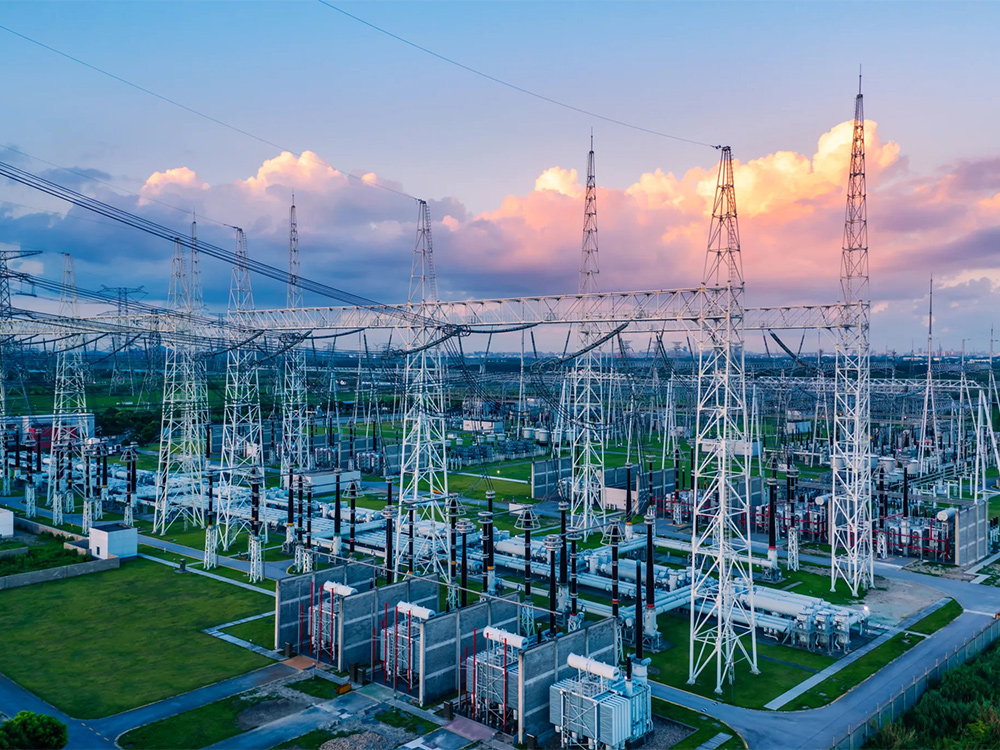
As the cornerstone of stable power grid operation, this industry encompasses all aspects of power generation, transmission, and distribution, placing extremely high demands on the reliability, safety, and long-term service performance of equipment.
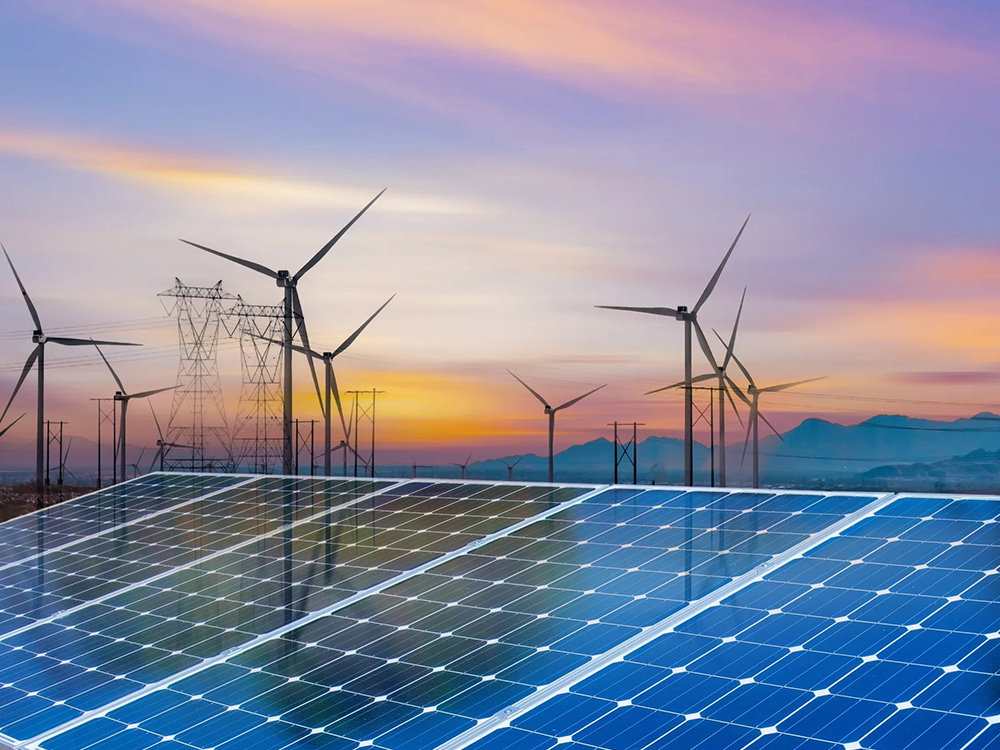
The rapid development of green energy sources such as photovoltaics and wind power has placed higher demands on the adaptability and intelligence of the electrical equipment used in their production.
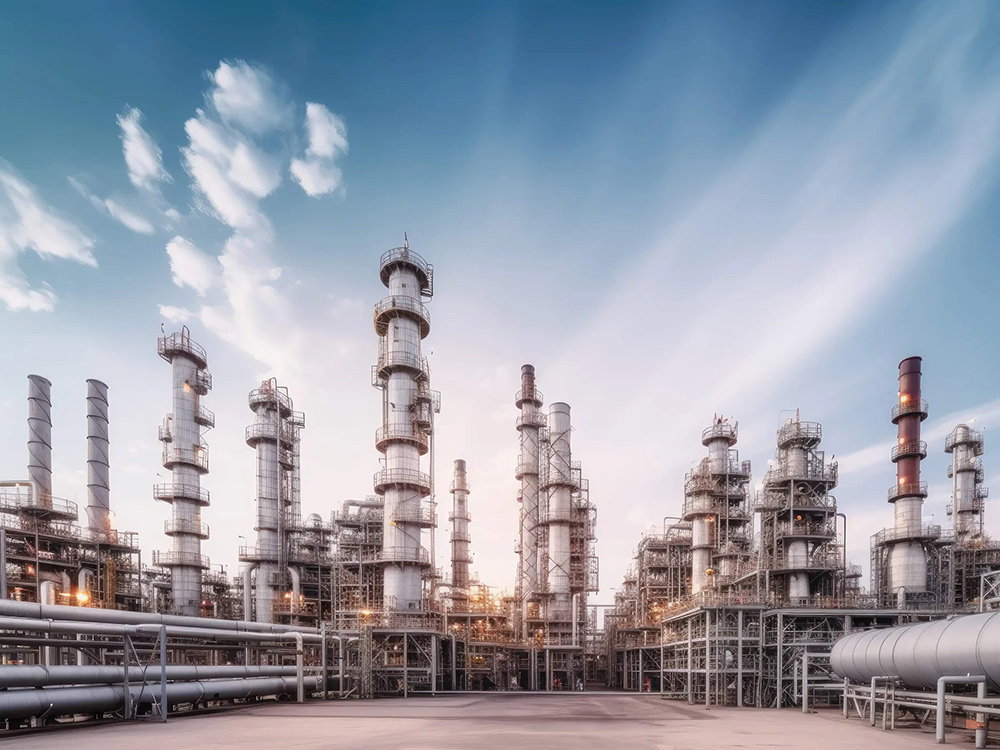
Modern factories rely on a continuous, safe, and high-quality power supply to ensure uninterrupted operation of production lines. Our products serve the power distribution systems acting as the "heart" of industrial power.

From large commercial complexes to smart city infrastructure, safe, efficient, and intelligent power distribution systems are the lifeblood of modern buildings.
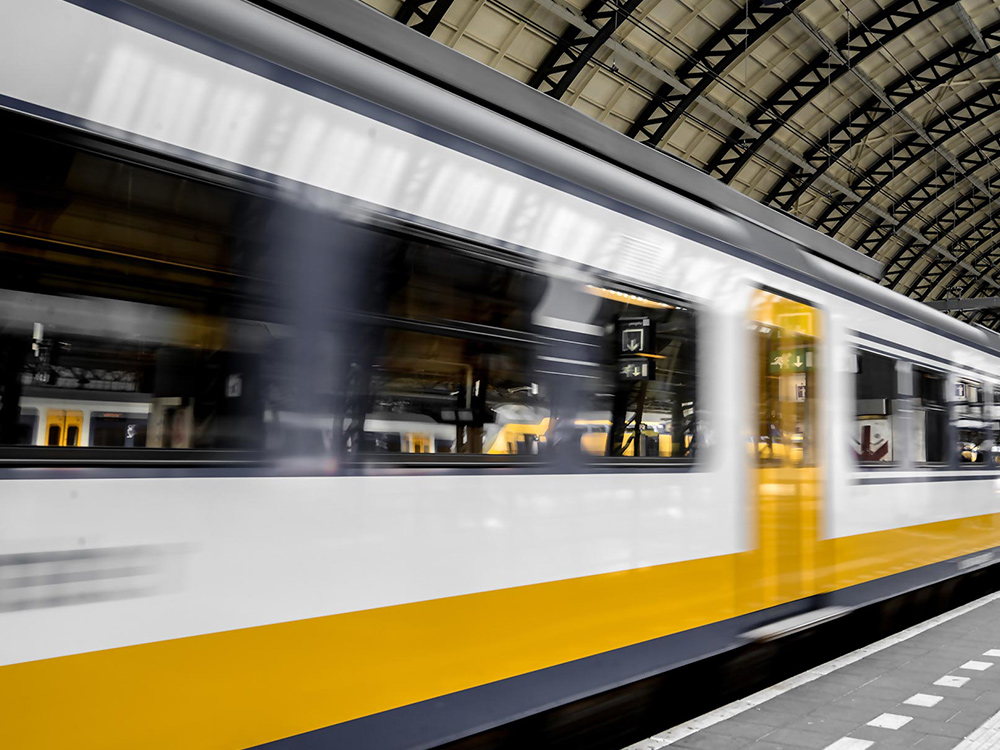
Major infrastructure projects such as railways, highways, and ports operate in complex environments, posing a severe test to the durability and reliability of power equipment.
In traditional base-load power plants, the GSU transformer is the single most critical component. It must operate 24/7 under high thermal load. These units are often equipped with advanced cooling systems (OFAF - Oil Forced Air Forced) to dissipate the massive heat generated during the voltage step-up process. Any failure here means a total plant shutdown, making "Zero-Failure" engineering a standard requirement.
Solar energy presents a unique challenge: the voltage must be stepped up from inverter outputs (usually 400V to 800V) to medium voltage (35kV) and then again to high voltage for grid connection. Utility transformers in solar applications must handle "harmonic distortion" caused by inverters and the frequent cycling of power as the sun sets and rises.
Step-up transformers located inside wind turbine nacelles or on offshore platforms must be compact and resistant to salt-mist corrosion. For these scenarios, dry-type or cast-resin utility transformers are often preferred to eliminate the risk of oil leaks into the ocean, while still providing the necessary voltage boost to transmit power back to the shore.
The future of stepping up generator voltage lies in the integration of AI and machine learning. Modern utility transformers are being outfitted with "Fiber Optic Temperature Sensors" that provide direct winding temperature measurements, allowing utilities to push the transformer's capacity during peak demand without risking insulation damage. Furthermore, the development of High-Temperature Superconducting (HTS) transformers promises a future with near-zero energy loss, though this technology is still in the pilot phase.
Reliability is also being enhanced through improved Current Transformer (CT) integration. As seen in our product line, high-precision CTs are essential for the protection and metering of these utility-scale systems. They ensure that the relay protection system can "see" a fault within milliseconds and isolate the transformer before catastrophic damage occurs.
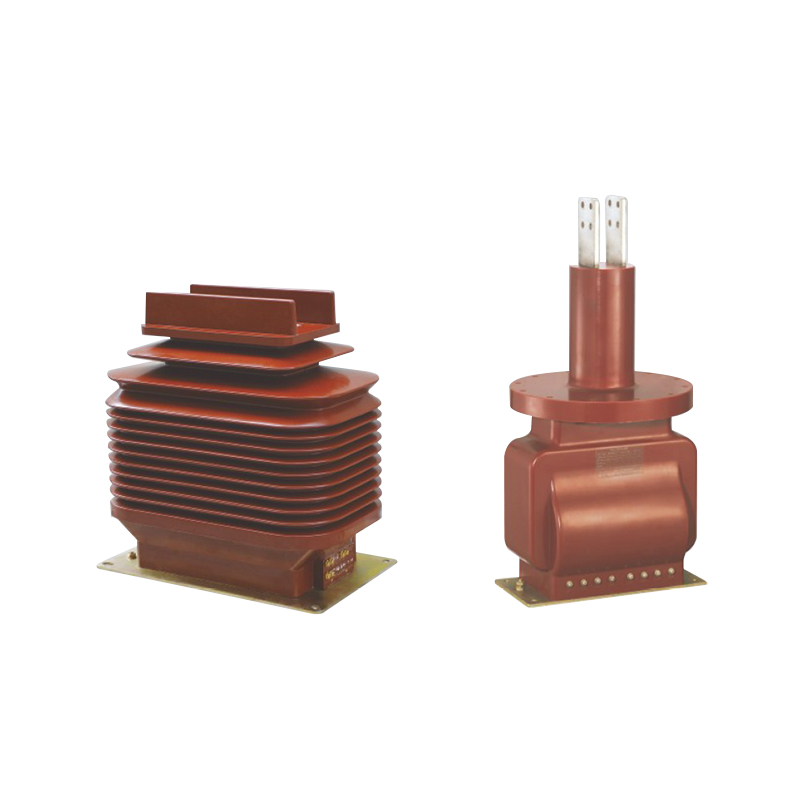 LZZB9-35 High Quality Current Transformer
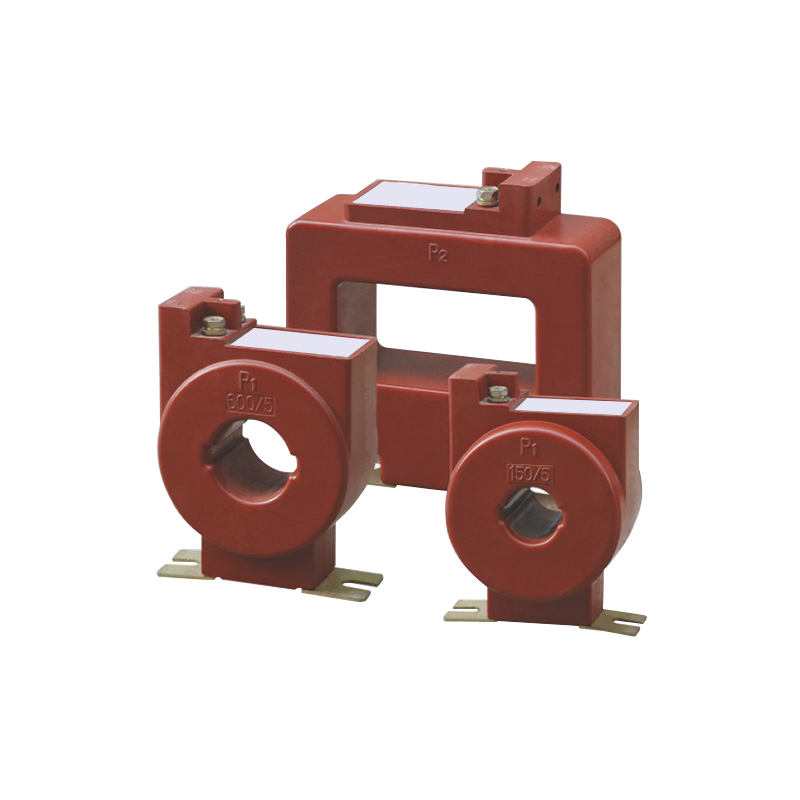 LMZ1(2,3,4)D-HZT1 Current Transformer
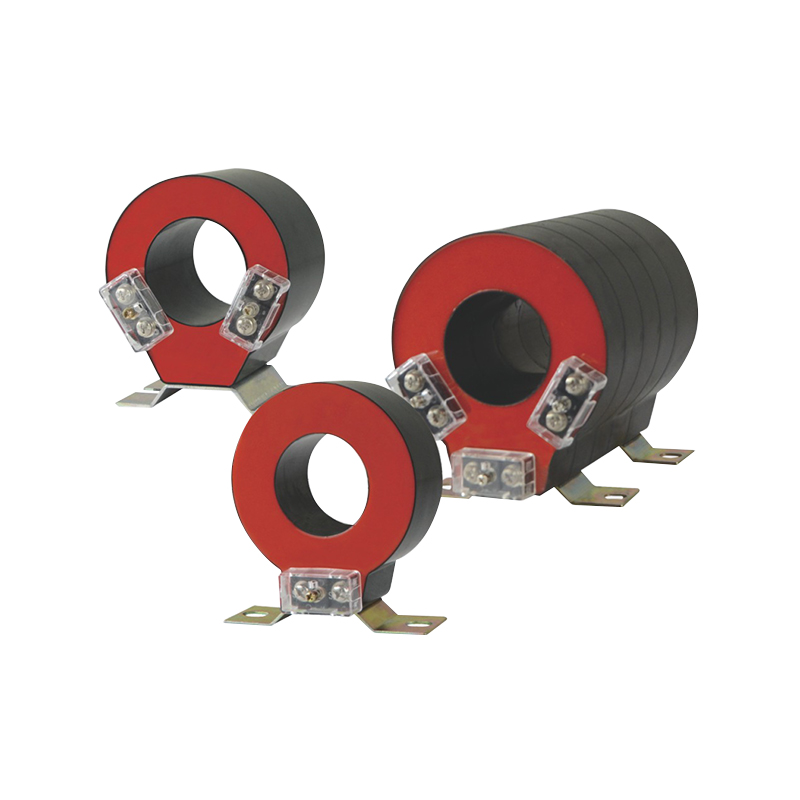 High-Precision Transformer for Ring Network
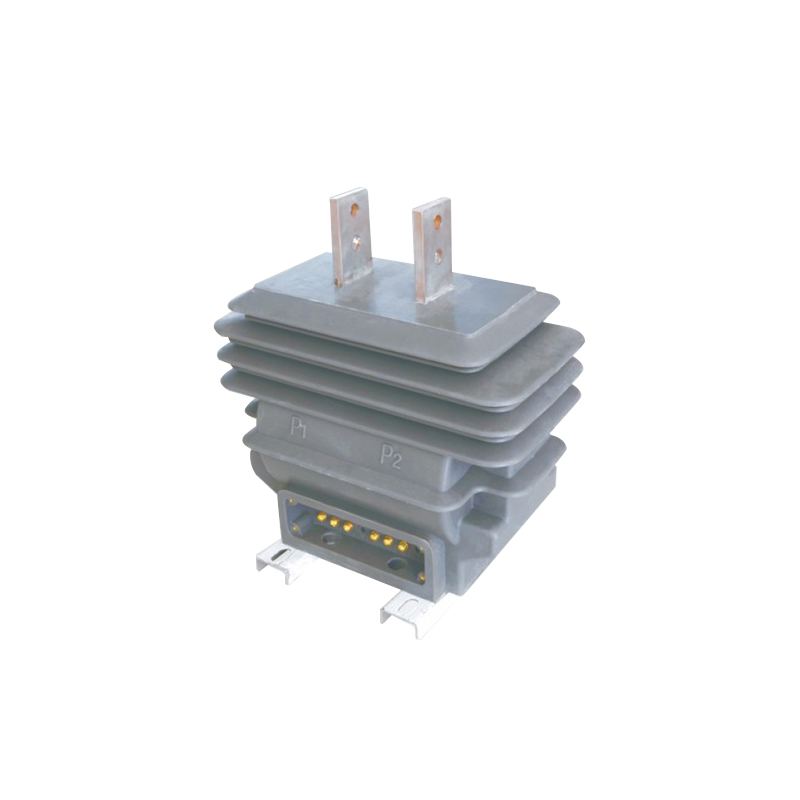 China LZZBW-10 Outdoor Transformer
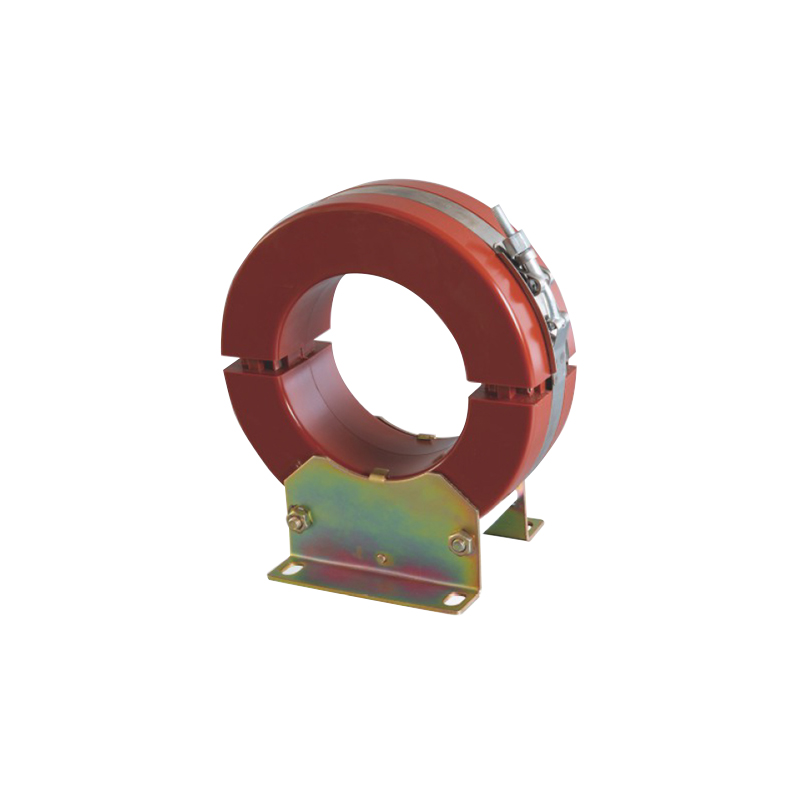 LXK Series Zero Sequence Transformer
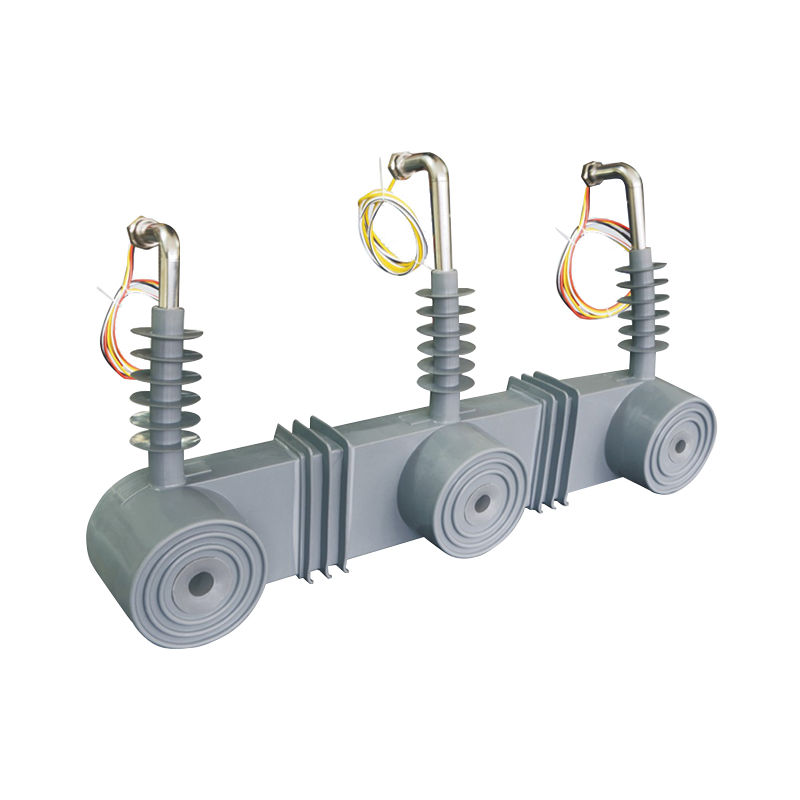 Primary and Secondary Fusion Transformer
LJ-ZW32-10 Transformer for Breakers
 Outdoor Dry-Type JLSZW-6/10W Transformer
In conclusion, the Utility Transformer for stepping up generator voltage is not just a piece of hardware; it is the enabler of the modern electrical world. Whether it is supporting the massive output of a nuclear facility or the delicate, fluctuating power of a wind farm, these transformers ensure that energy is transmitted safely, efficiently, and reliably. At Suian Industrial Control, we are committed to providing the high-precision components and transformer solutions that power this infrastructure. By focusing on innovation, durability, and smart technology, we help our partners build a more resilient and sustainable energy future.