

Leave Your Message
Enabling Efficient and Reliable Renewable Energy Distribution
The global transition toward renewable energy has positioned wind power as one of the most significant contributors to sustainable electricity generation. As wind farms continue to expand across continents, the role of voltage transformers in ensuring seamless grid integration has become increasingly critical. Voltage transformers serve as essential components that enable accurate voltage measurement, protection, and control within wind farm electrical systems, facilitating the safe and efficient transmission of power from turbines to the electrical grid.
Wind farm integration presents unique technical challenges that distinguish it from conventional power generation. The intermittent nature of wind energy, combined with the distributed architecture of wind turbines across vast geographical areas, requires sophisticated voltage transformation solutions capable of handling variable power outputs, maintaining grid stability, and protecting equipment from electrical disturbances. Modern voltage transformers designed for renewable energy applications must meet stringent performance standards while operating reliably in harsh environmental conditions typical of wind farm installations.
The voltage transformer market for renewable energy applications has experienced remarkable growth, driven by unprecedented investments in wind energy infrastructure worldwide. According to industry analyses, the global wind energy sector is projected to install over 100 GW of new capacity annually through 2030, creating substantial demand for specialized electrical equipment including voltage transformers. This expansion encompasses both onshore and offshore wind installations, each presenting distinct requirements for voltage transformation equipment.
In contemporary wind farm applications, voltage transformers fulfill multiple critical functions. They provide accurate voltage measurements for monitoring and control systems, enable protective relaying to safeguard equipment during fault conditions, and facilitate power quality management to ensure compliance with grid codes. The integration of voltage transformers with advanced digital monitoring systems has enabled real-time performance optimization and predictive maintenance capabilities, significantly enhancing operational efficiency and reducing downtime.
Enhanced Grid Stability: Voltage transformers enable precise monitoring and control of electrical parameters, ensuring that wind farm output remains synchronized with grid requirements and maintains power quality standards.
Equipment Protection: Advanced voltage sensing capabilities protect valuable wind turbine generators and associated electrical equipment from overvoltage conditions, ground faults, and other electrical anomalies.
Regulatory Compliance: Modern voltage transformers help wind farm operators meet increasingly stringent grid connection requirements and international electrical standards.
The voltage transformer industry has undergone significant technological advancement to address the specific demands of renewable energy integration. Traditional electromagnetic voltage transformers, while still widely used, are increasingly complemented by electronic voltage transformers (EVTs) that offer superior accuracy, wider bandwidth, and enhanced digital integration capabilities. These next-generation devices incorporate advanced sensor technologies, digital signal processing, and fiber optic communication interfaces that align perfectly with the digitalization trends in modern wind farm operations.
One prominent development trend is the integration of voltage transformers with intelligent electronic devices (IEDs) and supervisory control and data acquisition (SCADA) systems. This convergence enables comprehensive condition monitoring, allowing operators to track transformer performance parameters such as temperature, partial discharge activity, and insulation condition in real-time. Such capabilities support transition from time-based maintenance schedules to condition-based maintenance strategies, optimizing resource allocation and extending equipment lifespan.
The offshore wind sector has catalyzed innovation in voltage transformer design, necessitating equipment that can withstand corrosive marine environments, extreme temperature variations, and mechanical stresses from wave action and wind loading. Manufacturers have responded with enhanced enclosure designs, specialized insulation materials, and robust sealing technologies that ensure long-term reliability in these challenging conditions. Additionally, the trend toward higher voltage transmission systems in large-scale offshore wind farms has driven development of voltage transformers rated for 66 kV, 132 kV, and even higher voltage classes.
Voltage transformers play crucial roles in hybrid wind-storage systems, enabling coordinated operation between wind generation and battery storage for enhanced grid services.
Advanced voltage sensing supports bidirectional communication with smart grid infrastructure, facilitating demand response and distributed energy resource management.
High-precision voltage measurements feed big data analytics platforms, enabling predictive modeling of wind farm performance and optimization of energy trading strategies.
Turbine-Level Voltage Monitoring: At the individual turbine level, voltage transformers are installed at the generator terminals and low-voltage side of step-up transformers. These devices provide critical feedback for turbine control systems, enabling optimal generator excitation control, power factor management, and protection coordination. The accuracy of voltage measurement at this level directly impacts energy conversion efficiency and equipment longevity. Modern turbine designs increasingly incorporate digital voltage transformers that interface directly with turbine controllers via high-speed communication protocols, eliminating analog signal conversion losses and improving response times.
Collection System Applications: Wind farm collection systems, which aggregate power from multiple turbines for transmission to the main substation, require voltage transformers at strategic points throughout the medium-voltage network. These installations enable monitoring of voltage profiles across the collection system, identification of power quality issues, and coordination of distributed protection schemes. In large wind farms with complex collection topologies, voltage transformer data supports optimization algorithms that balance loads across parallel feeders and minimize electrical losses.
Main Substation Integration: The wind farm main substation represents the critical interface between the generation facility and the transmission grid. Here, high-accuracy voltage transformers provide measurements for revenue metering, grid synchronization, and compliance monitoring. These devices must meet stringent accuracy classes (typically 0.2 or better for metering applications) and maintain performance across wide ranges of temperature and loading conditions. The substation voltage transformers also support sophisticated protection schemes including distance protection, differential protection, and synchrophasor-based wide-area protection systems.
Offshore Platform Installations: Offshore wind farms present unique application scenarios where voltage transformers must operate on offshore converter platforms or floating substations. These installations require specialized designs that account for space constraints, weight limitations, and the need for minimal maintenance accessibility. Condition monitoring becomes particularly critical in offshore applications, where equipment failures can result in extended outages and costly repair operations. Advanced voltage transformers with integrated diagnostic capabilities help operators anticipate potential issues before they result in failures.
From a commercial perspective, the voltage transformer market for wind energy applications is characterized by increasing emphasis on total cost of ownership rather than initial capital expenditure alone. Wind farm developers and operators evaluate voltage transformer solutions based on reliability metrics, maintenance requirements, expected lifespan, and compatibility with existing infrastructure. This shift has favored manufacturers who can demonstrate proven performance in renewable energy applications and provide comprehensive lifecycle support services.
The competitive landscape includes both established electrical equipment manufacturers with extensive transformer portfolios and specialized suppliers focusing specifically on renewable energy applications. Market differentiation increasingly centers on technological innovation, with manufacturers investing in research and development of next-generation sensing technologies, advanced materials, and digital integration capabilities. Strategic partnerships between voltage transformer suppliers and wind turbine manufacturers have become common, facilitating optimized system integration and streamlined procurement processes.
Regional market dynamics reflect the geographical distribution of wind energy development. Europe, with its mature onshore wind sector and rapidly expanding offshore capacity, represents a significant market for high-specification voltage transformers. Asia-Pacific, led by China's massive wind energy investments, constitutes the largest market by volume, with growing emphasis on quality and performance as the industry matures. North America shows strong demand driven by both utility-scale wind development and increasing distributed generation installations.
The future of voltage transformers in wind farm integration is intrinsically linked to broader trends in power system evolution. The transition toward higher voltage direct current (HVDC) transmission for offshore wind farms creates demand for specialized voltage measurement solutions compatible with converter-based systems. Development of floating offshore wind technology introduces new mechanical and environmental challenges that will drive further innovation in transformer design and materials.
Digitalization and artificial intelligence present transformative opportunities for voltage transformer applications. Machine learning algorithms applied to voltage measurement data can identify subtle patterns indicative of developing equipment issues, grid disturbances, or optimization opportunities. Integration of voltage transformers with blockchain-based systems may enable new models for peer-to-peer energy trading and transparent verification of renewable energy generation.
The convergence of wind power with other renewable energy sources in hybrid power plants creates complex voltage management requirements that demand sophisticated transformer solutions. These multi-source facilities require coordinated voltage control across different generation technologies, energy storage systems, and grid interconnection points. Voltage transformers equipped with advanced communication capabilities and compatibility with diverse control protocols will be essential enablers of these integrated energy systems.
Sustainability considerations are increasingly influencing voltage transformer design and manufacturing processes. The industry is moving toward environmentally friendly insulation materials, recyclable components, and manufacturing processes with reduced carbon footprints. Life cycle assessment methodologies are being applied to evaluate the environmental impact of voltage transformers from production through end-of-life disposal, driving continuous improvement in sustainability performance.
Yueqing Suian Electric Co., Ltd. is a wholly state-owned trading company controlled by Yueqing Liushi Urban and Rural Construction Investment Co., Ltd., with a registered capital of 10 million yuan. It has been deeply involved in the field of electrical product trading. With its solid state-owned background, rich experience in serving central enterprises, and the leading electrical industry ecosystem and location empowerment in China, it is committed to pioneering a new pattern of global electrical trade with the responsibility of a state-owned enterprise, becoming a core partner of the electrical supply chain trusted by global customers, and providing high-standard and reliable electrical products and solutions for overseas markets.
Liushi Town, known as "Zhejiang's No. 1 Industrial Strong Town," achieved a total industrial output value of 106.76 billion yuan in 2024, exceeding 100 billion yuan for two consecutive years and firmly ranking first in Zhejiang Province among the top 1,000 towns in China in terms of comprehensive strength. As a wholly state-owned enterprise, the company, backed by the state-owned capital of the Liushi Town Government, naturally possesses core advantages such as strong financial strength, compliant operation, and strong risk resistance. The company has accumulated extensive cooperative experience in the domestic market, successfully serving numerous leading central enterprises, including China Construction Eighth Engineering Bureau, China Construction Science & Industry Group Co., Ltd., China Construction Second Engineering Bureau, and Sinopec. It has accumulated rich project experience in infrastructure engineering, energy and power, and other fields. Its products and services have passed the stringent standards of central enterprises and possess mature capabilities suitable for large-scale projects and complex scenarios.
Based in Liushi, Yueqing, known as the "Electrical Capital of China" and the "Export Base of Low-Voltage Electrical Appliances in China," the company focuses on core trade in the electrical field. Boasting unparalleled supply chain advantages, it mainly deals in over 200 series and 25,000 models of products, including transformers, high and low voltage electrical equipment, complete sets of electrical equipment, wires and cables, and new energy electrical products. Leveraging state-owned platform resources, the company ensures product quality and supply stability while achieving high cost-effectiveness through the scale effect of industrial clusters, providing diversified product choices for overseas customers. Deeply integrated into the "Belt and Road" initiative, the company excels in connecting with major overseas infrastructure and energy projects, and can provide supporting services for electrical products that meet international standards.
Adhering to the core principles of "integrity as the foundation, compliance as the basis, and win-win cooperation as the way," Yueqing Sui'an Electric Co., Ltd. builds a solid foundation for cooperation with the credibility of a state-owned enterprise, ensures product quality with the service experience of a central enterprise, empowers global competitiveness with the advantages of industrial clusters, and connects overseas markets with professional services. Leveraging the "Electrical+" strategy of Liushi Town and the benefits of six emerging industrial parks, the company collaborates with global partners to build an international trade network, empowering the development of the global electrical industry with the quality of a state-owned enterprise, and is committed to becoming a trustworthy international electrical trading partner.
Yueqing Suian Electric Co., Ltd.








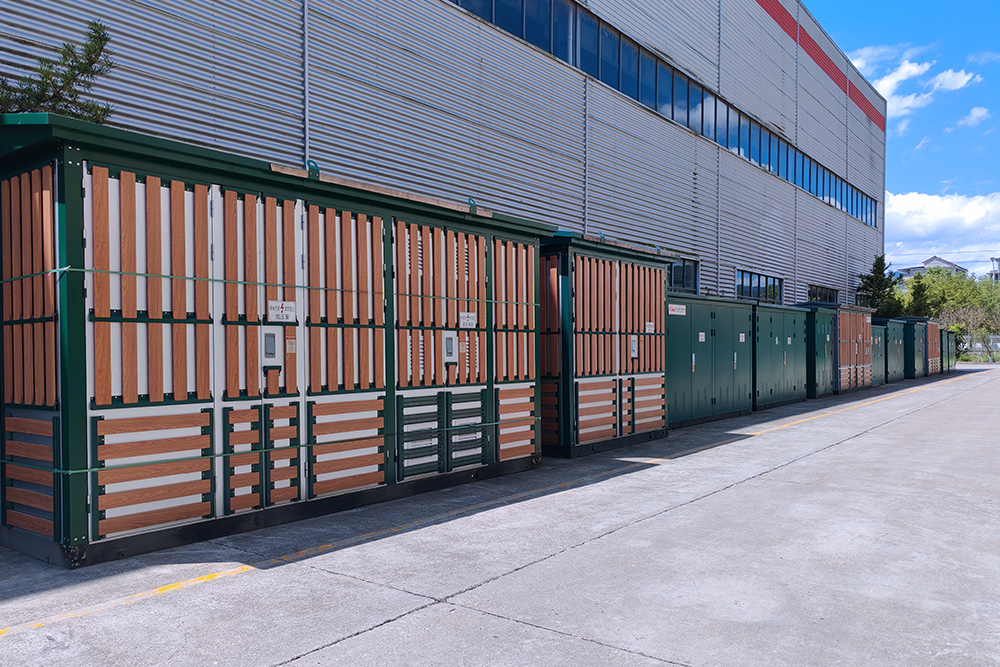
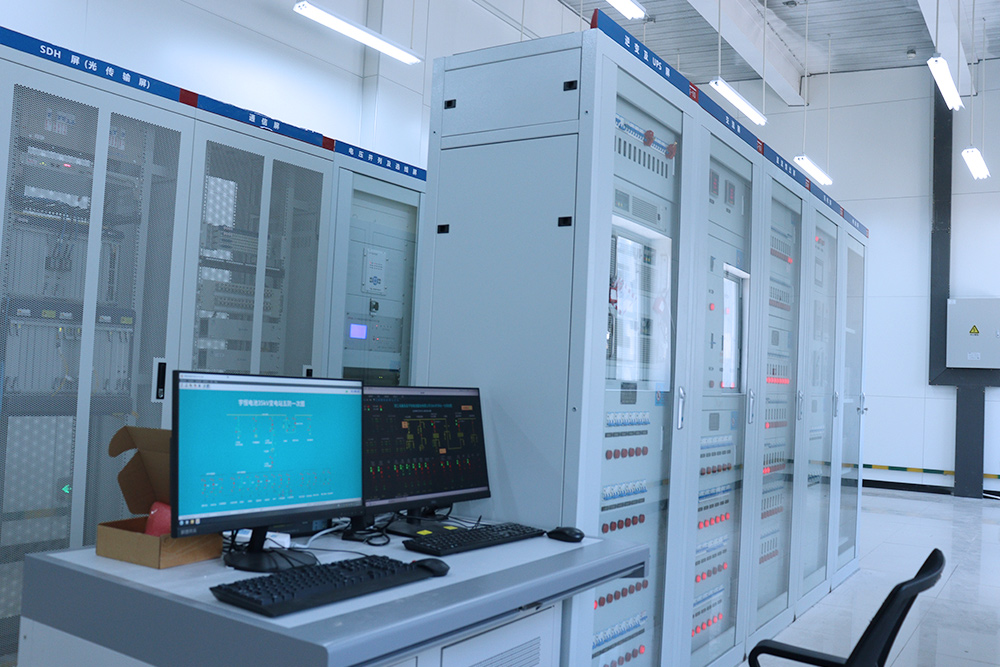
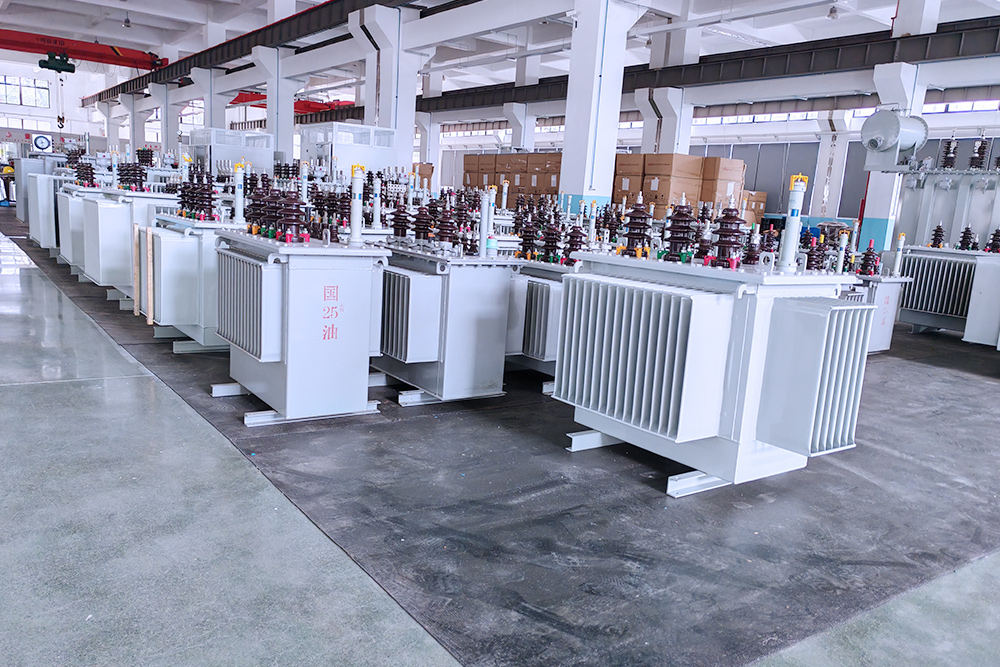
Comprehensive Solutions for Renewable Energy Infrastructure
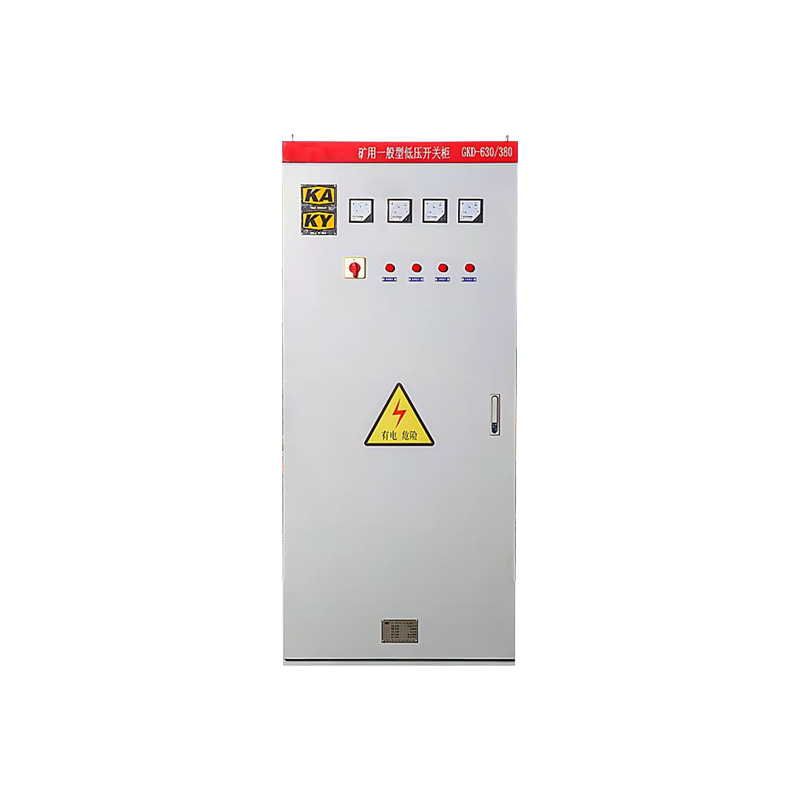
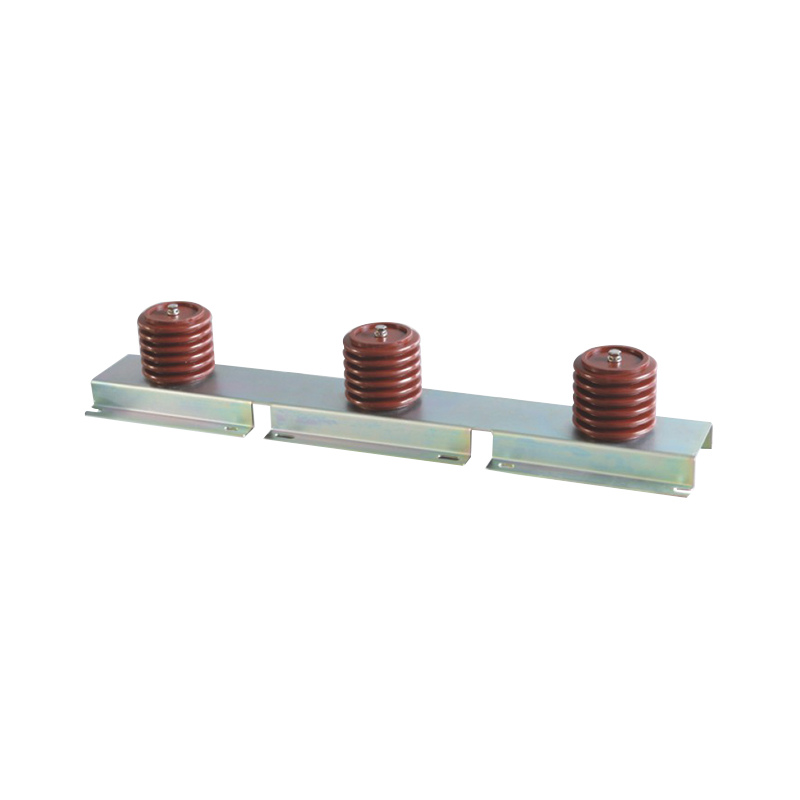
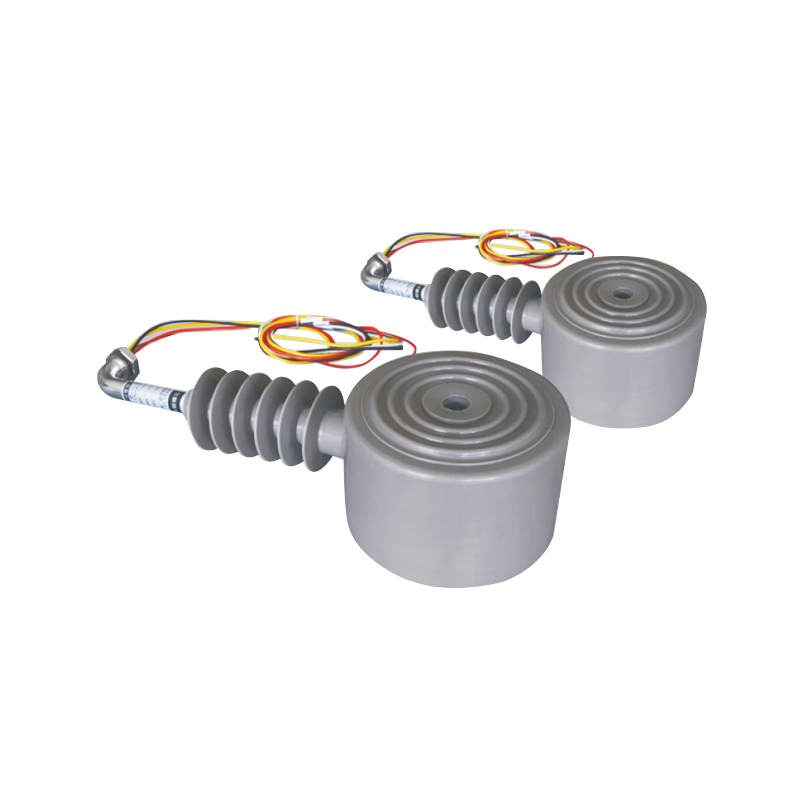
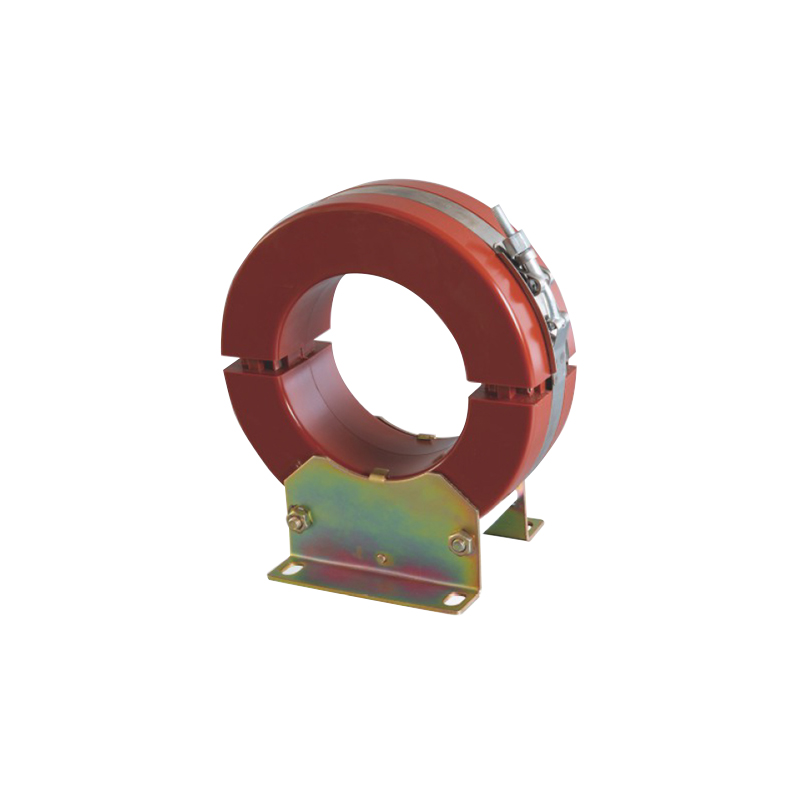
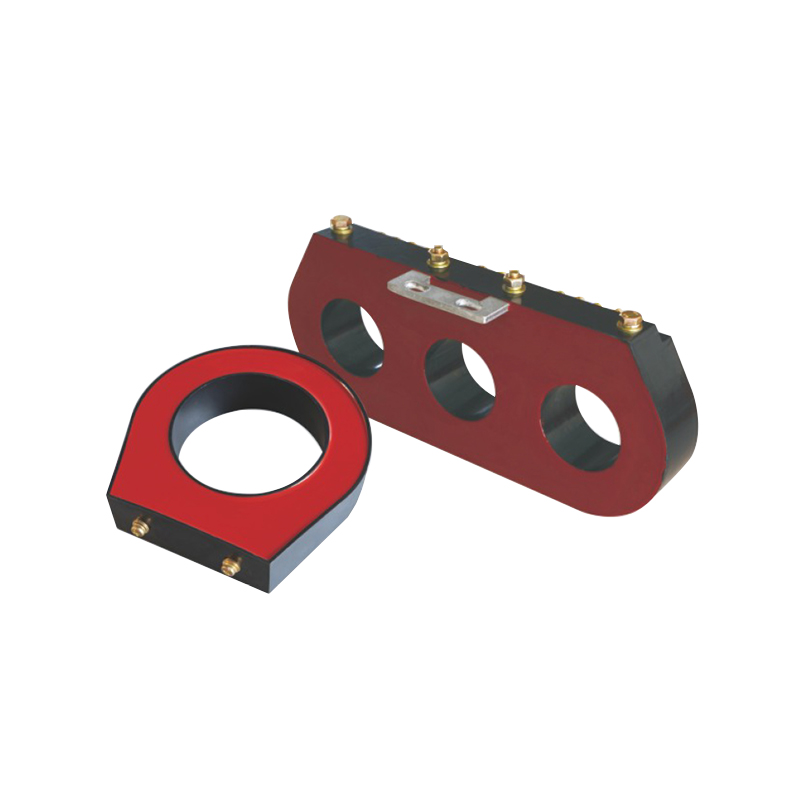


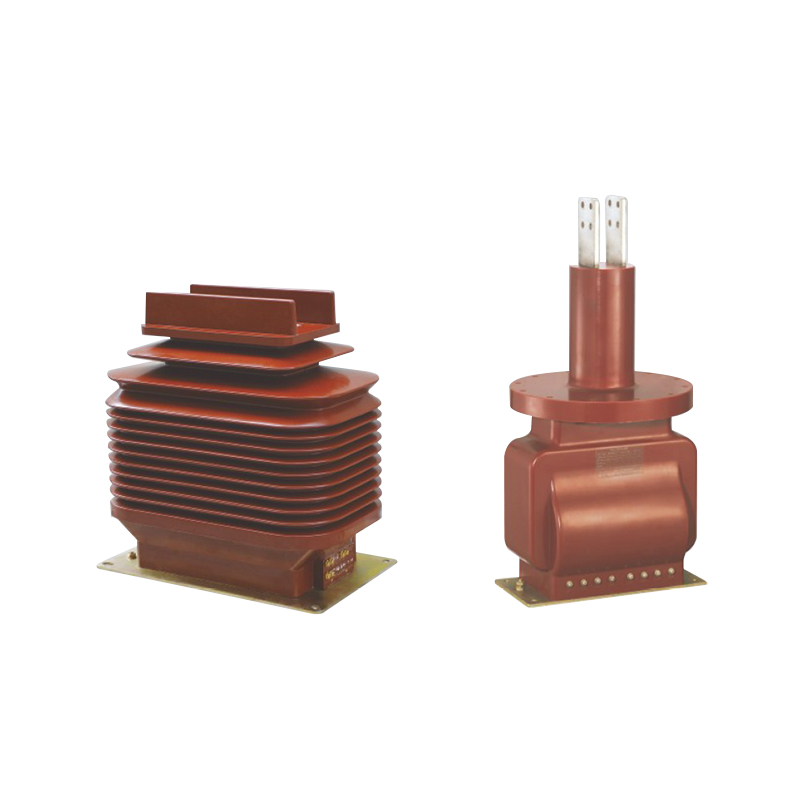
Leveraging state-owned enterprise strength and China's electrical industry leadership to deliver reliable voltage transformer solutions for renewable energy integration worldwide.